
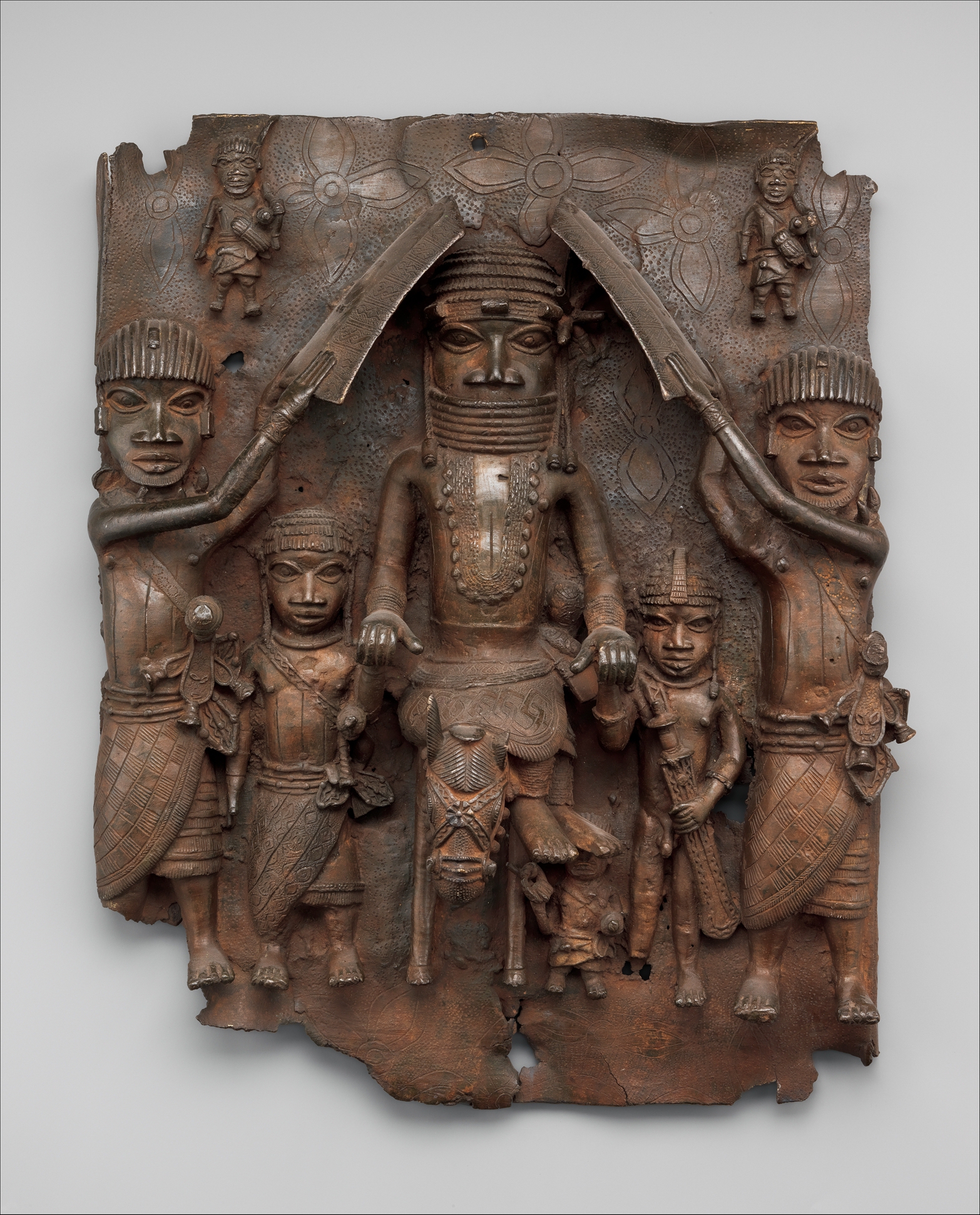
 Plaque with Equestrian Ọ́bà and AttendantsWest Africa · ca. 1540–70
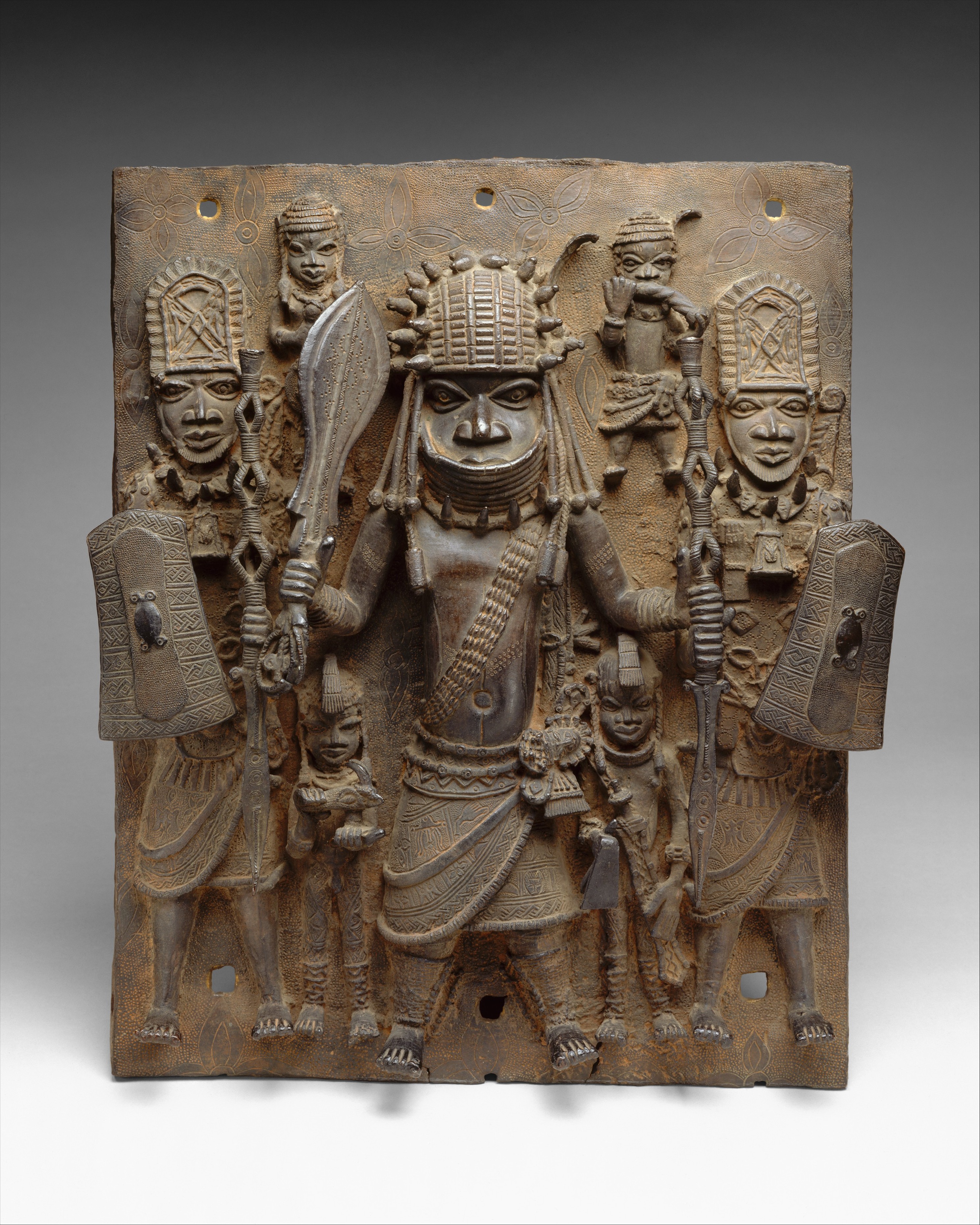 Plaque with Warrior and AttendantsWest Africa · ca. 1540–70
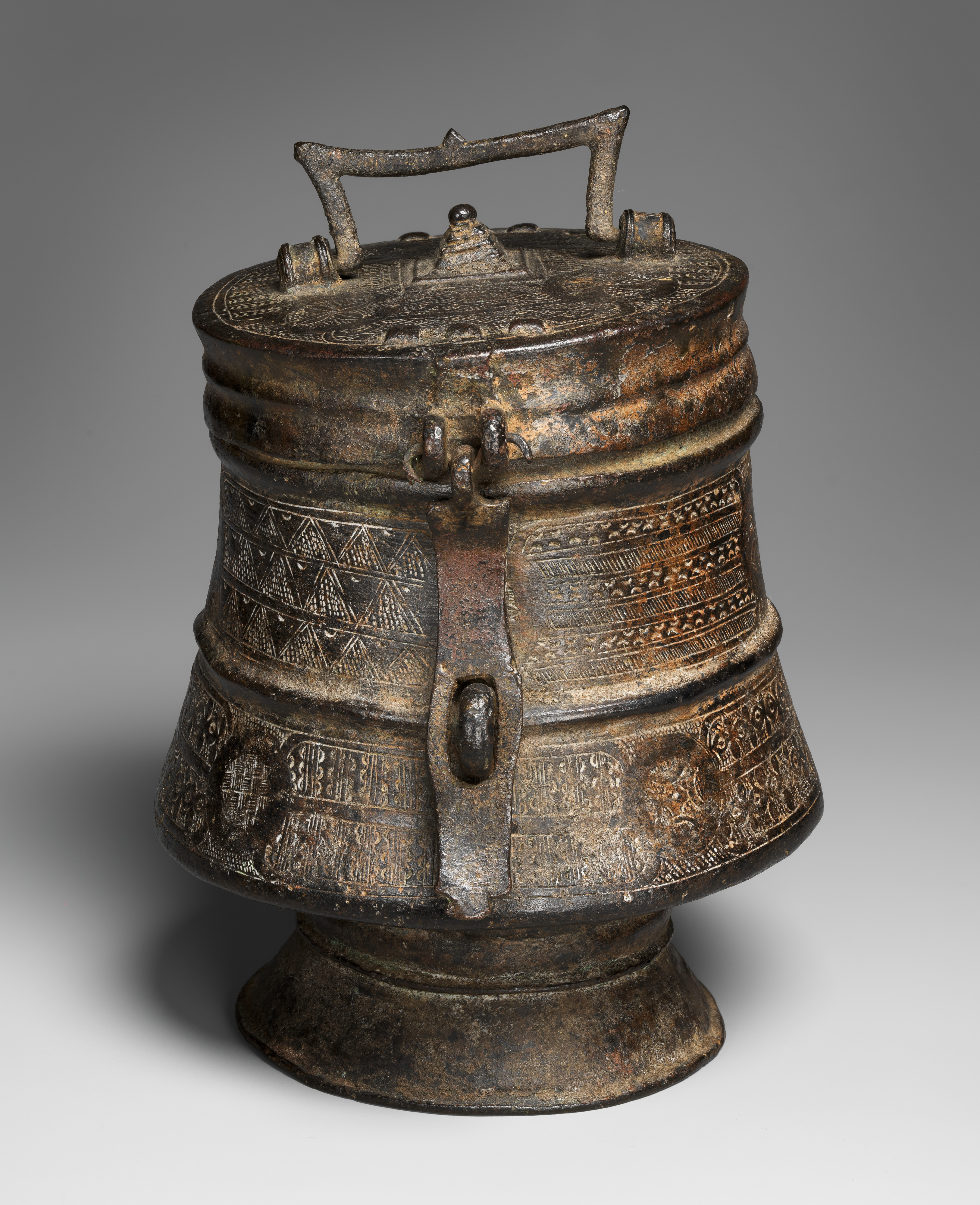 Kuduo VesselWest Africa · 18th–19th century
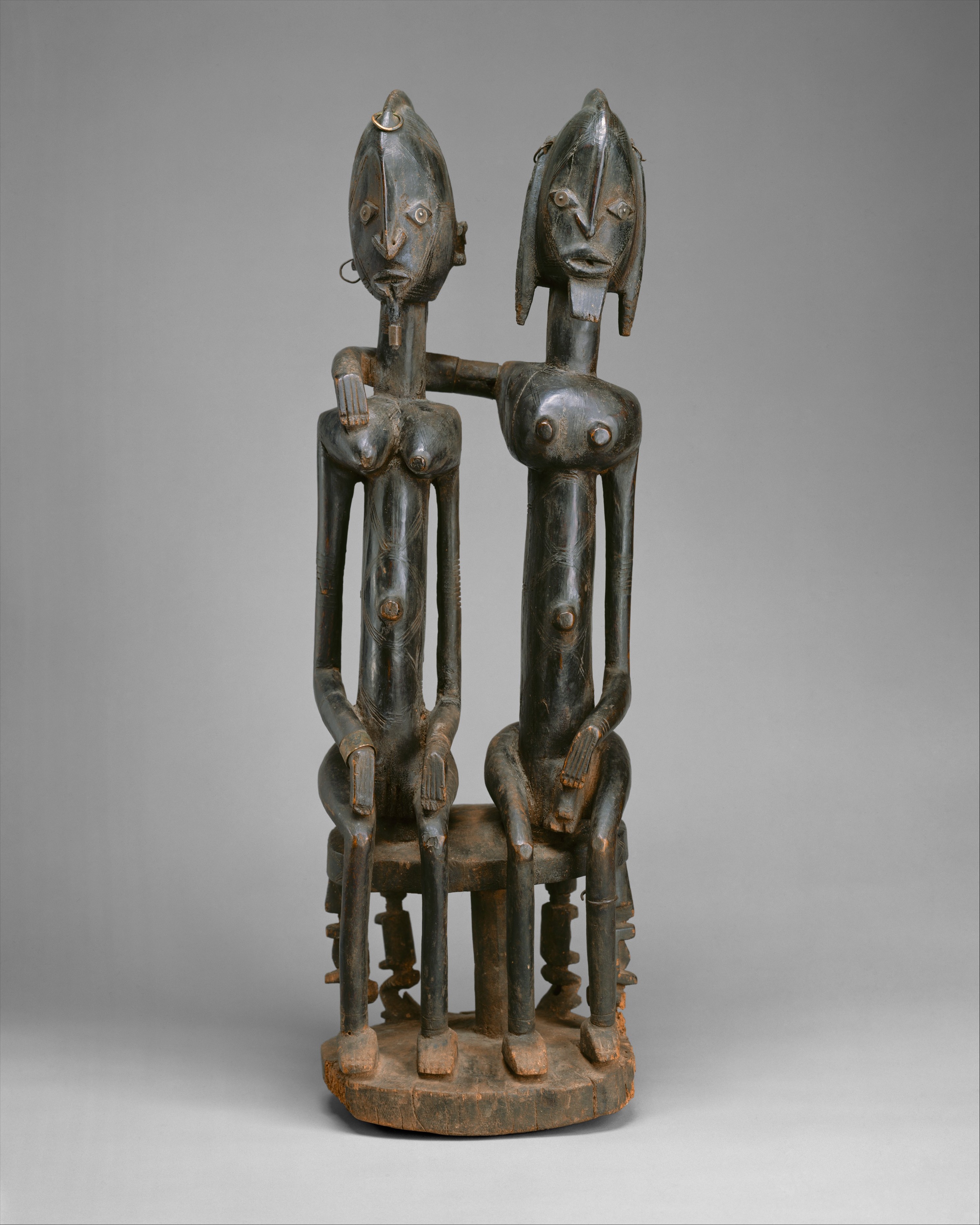 Seated CoupleWest Africa · 18th–early 19th century
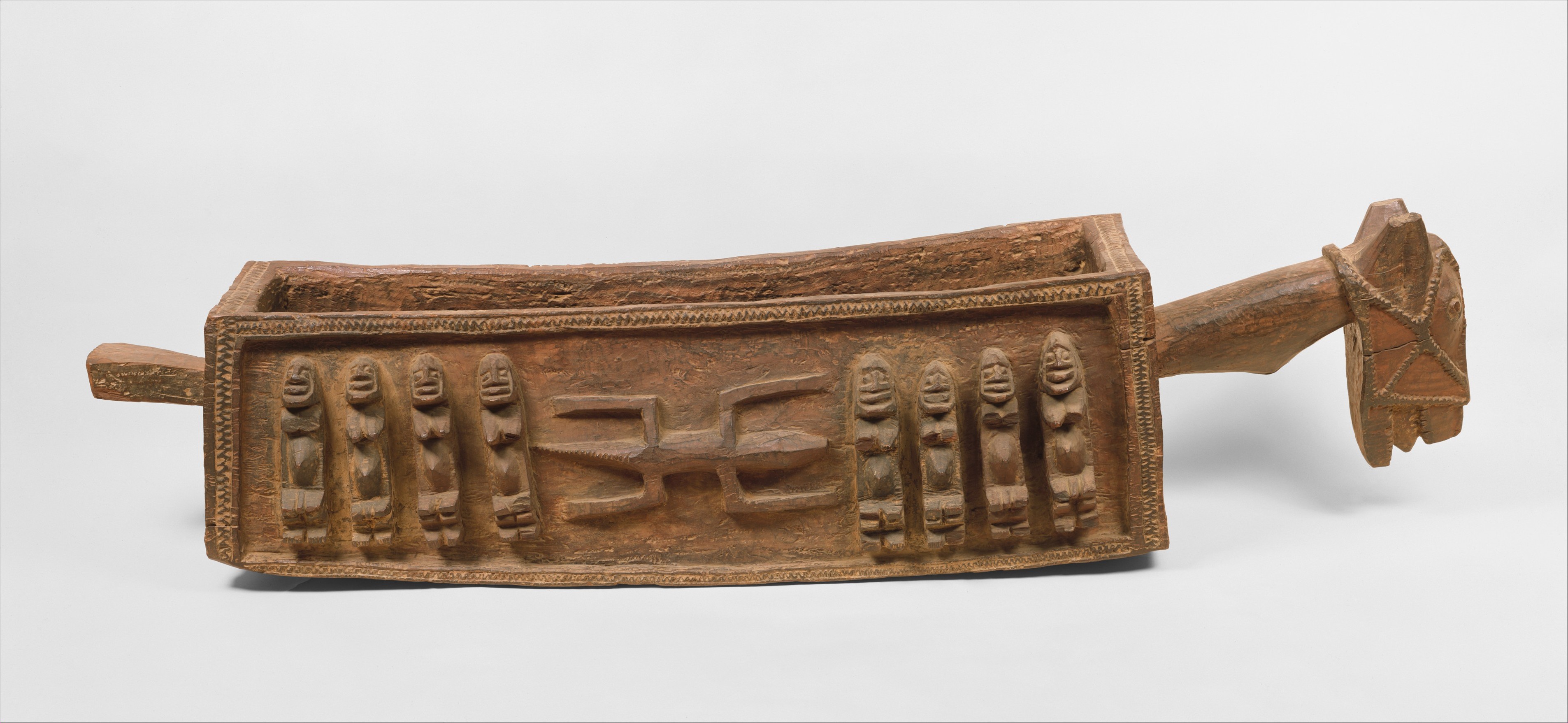 Aduno Koro (Ark of the World) VesselWest Africa · 16th–19th century
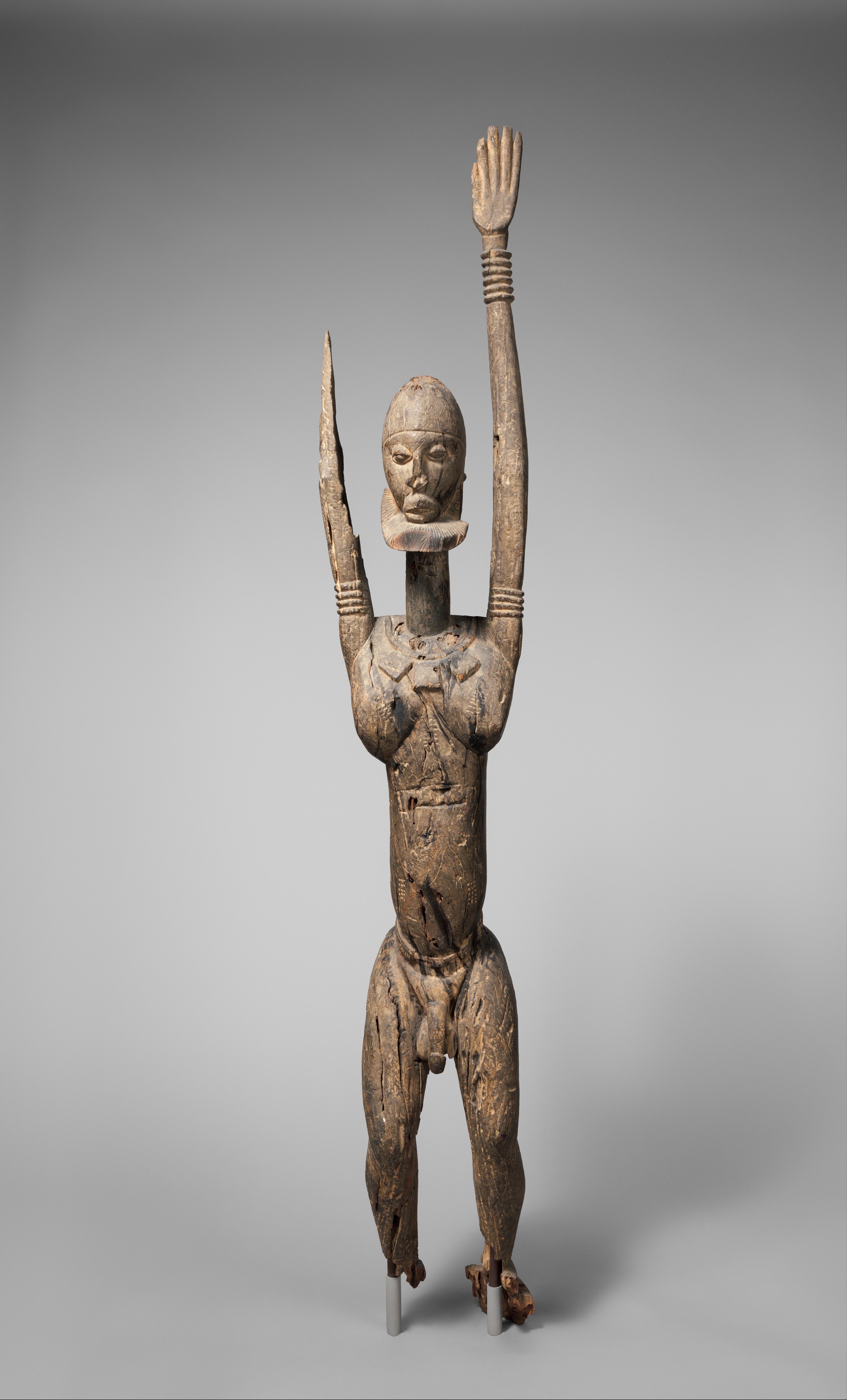 Priest with Raised ArmsWest Africa · 14th–17th century
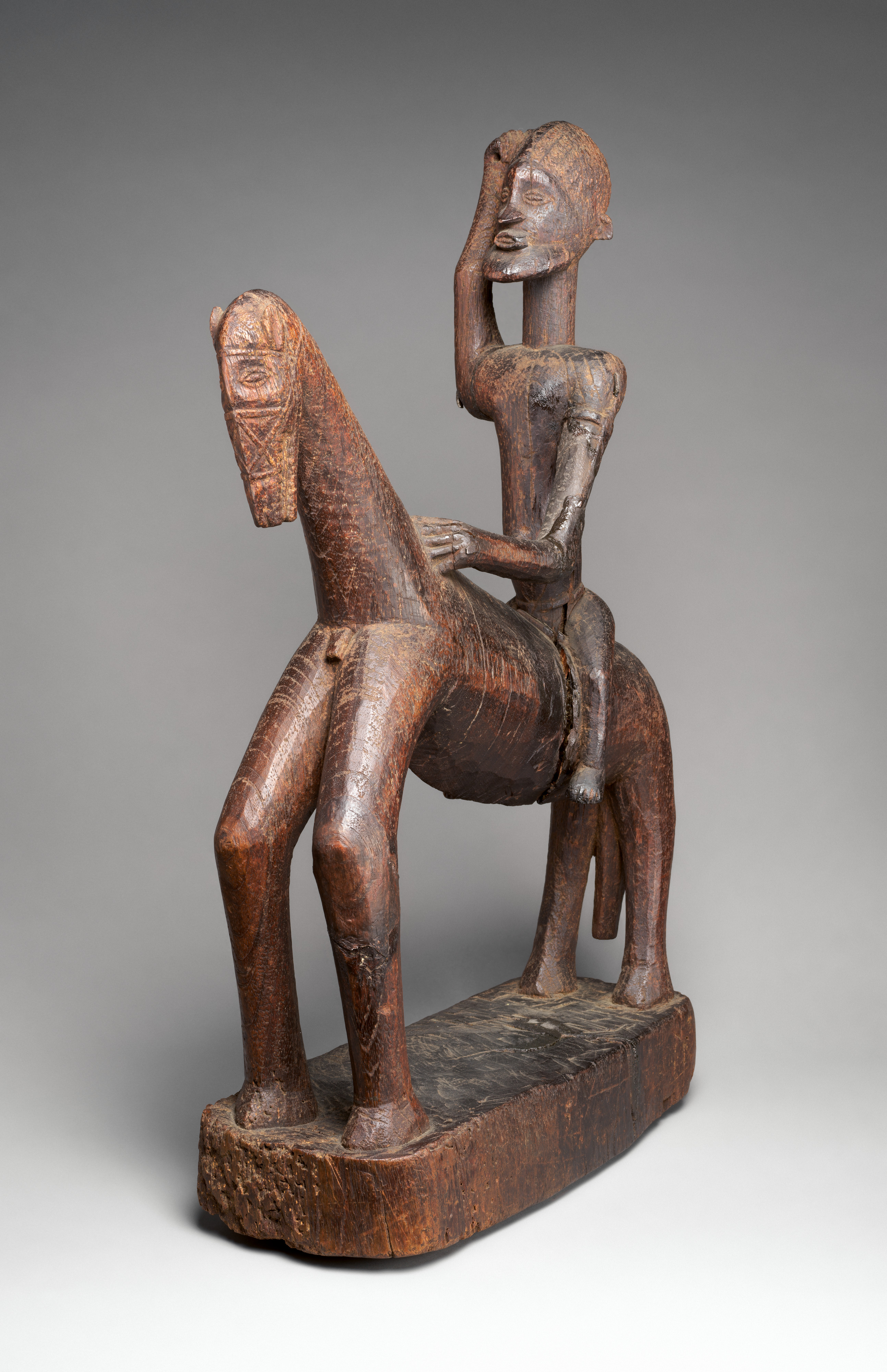 Equestrian FigureWest Africa · 16th–18th century
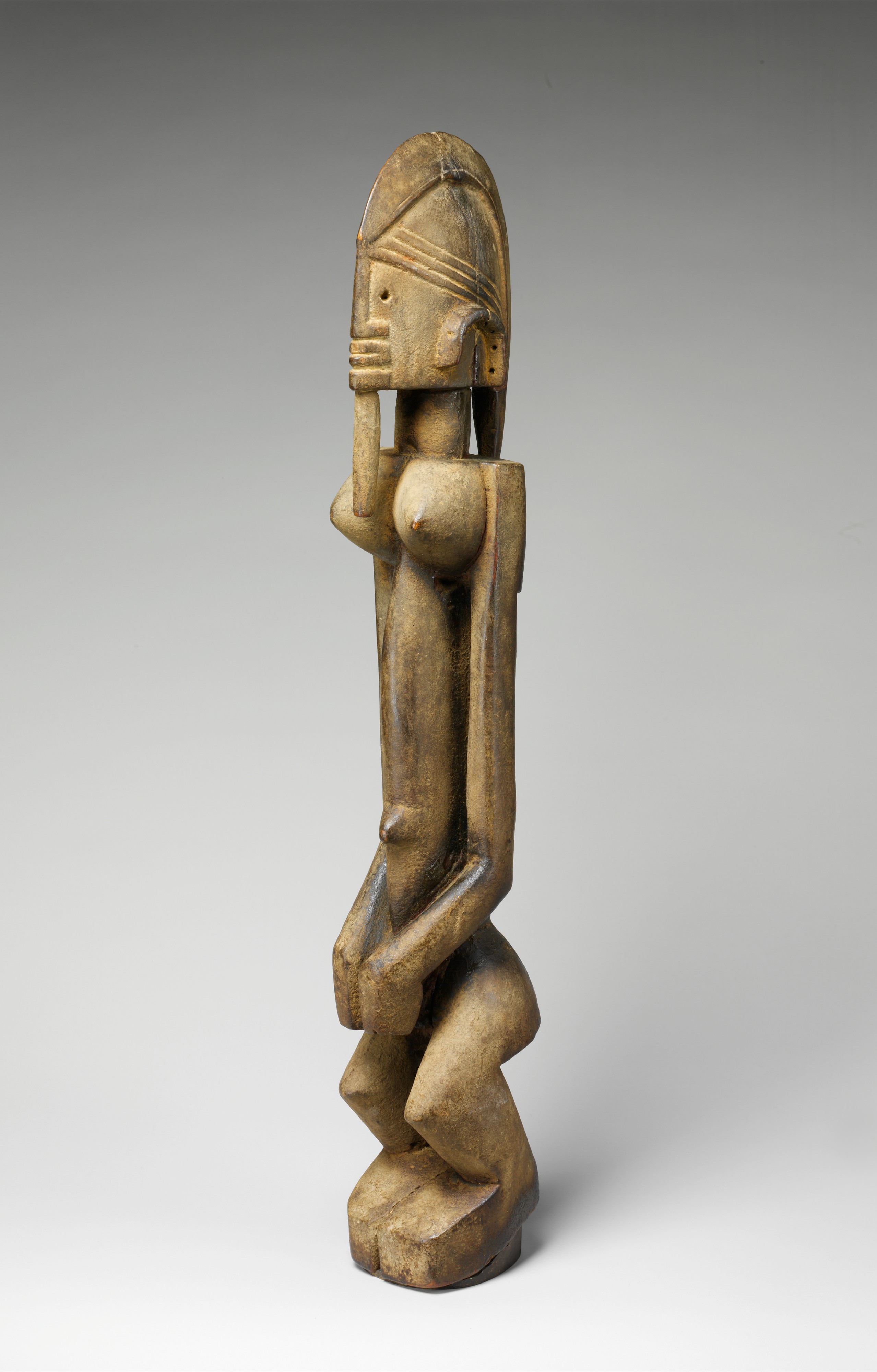 Female Dege Dal Nda (Sculpture of the Terrace)West Africa · 18th–19th century
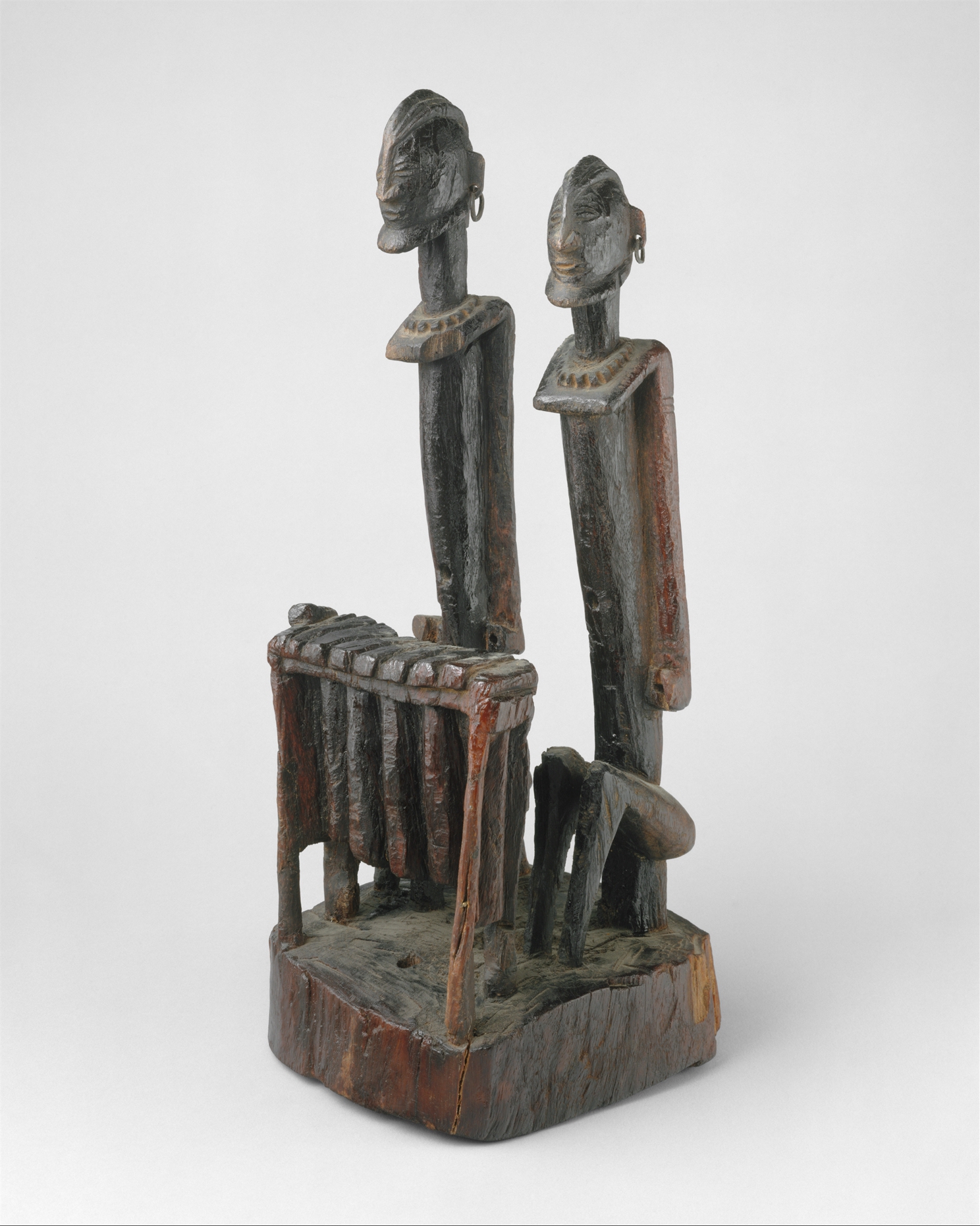 Pair of Bala PlayersWest Africa · 18th–early 19th century
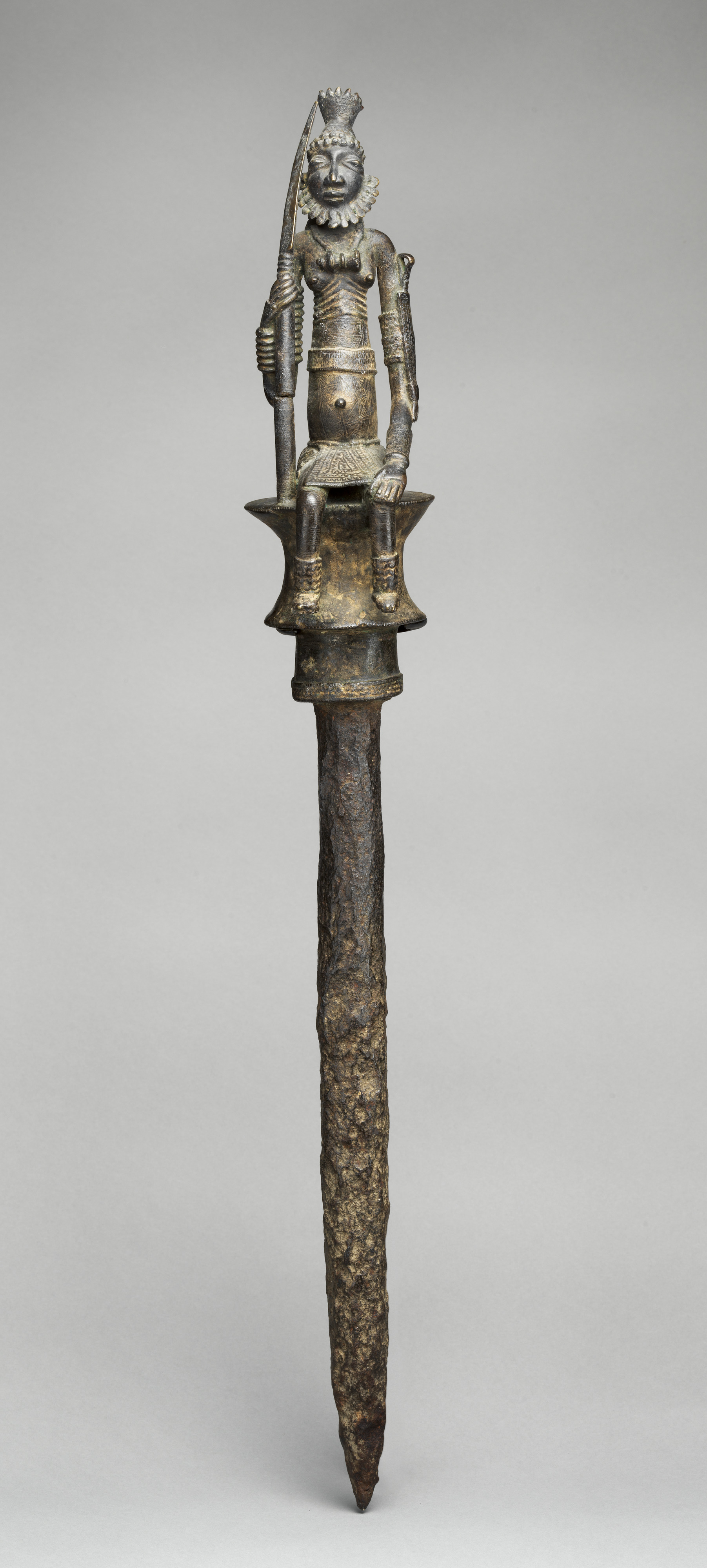 Staff with Seated Male LeaderWest Africa · 16th–17th century
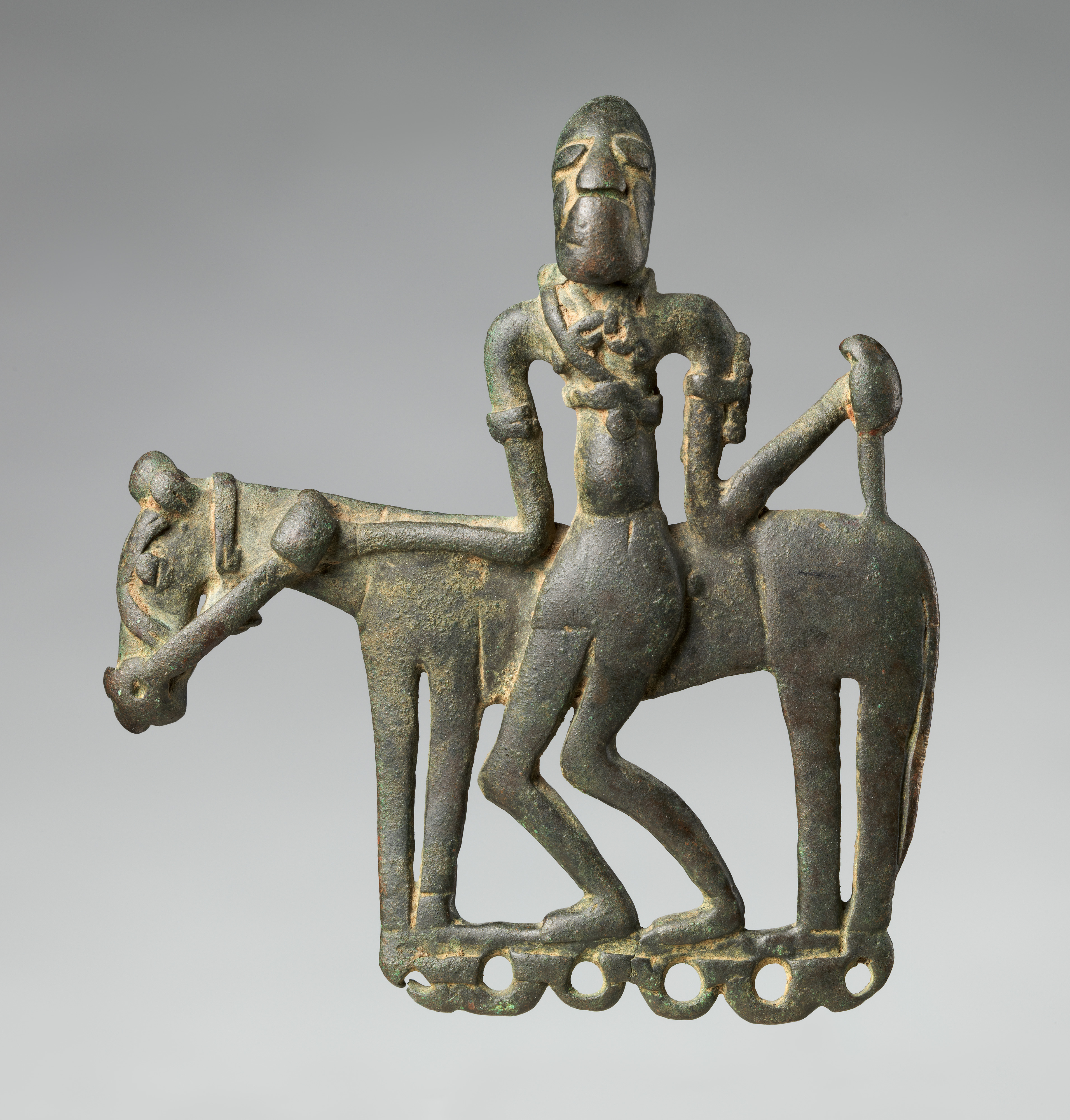 Equestrian PendantWest Africa · 19th century
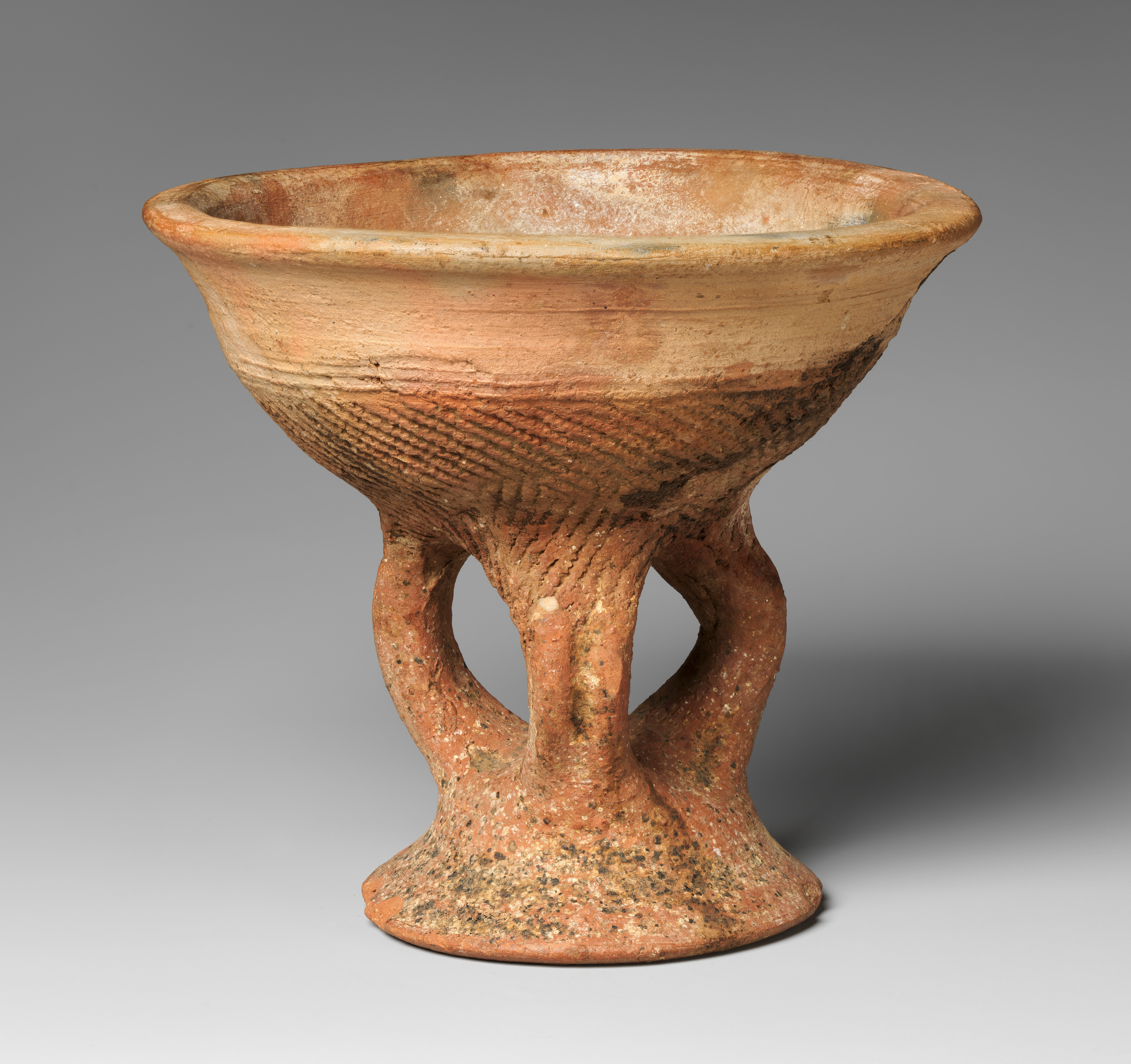 Vessel with Footed BaseWest Africa · 14th century
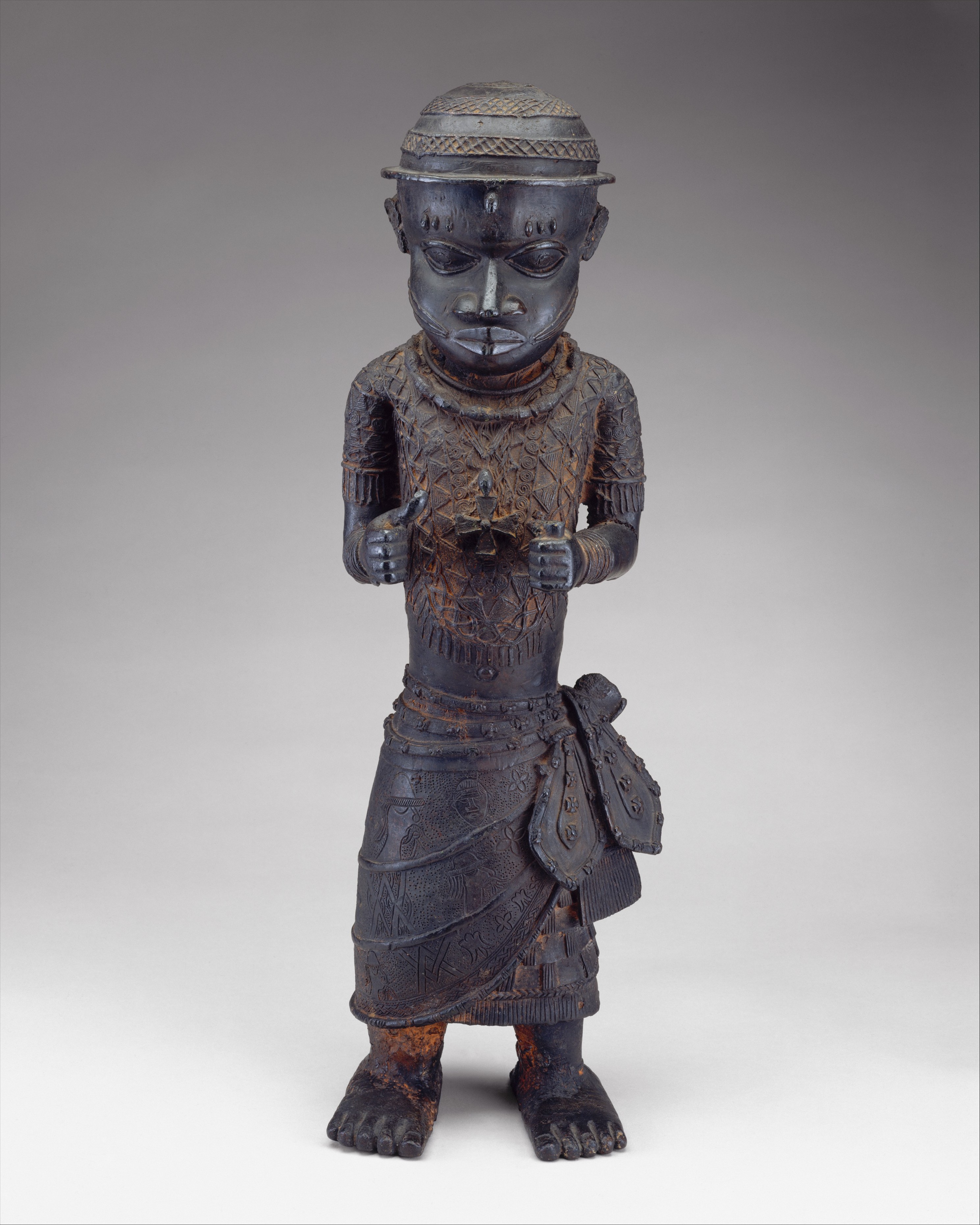 Court Official from a Commemorative AltarWest Africa · 16th–17th century
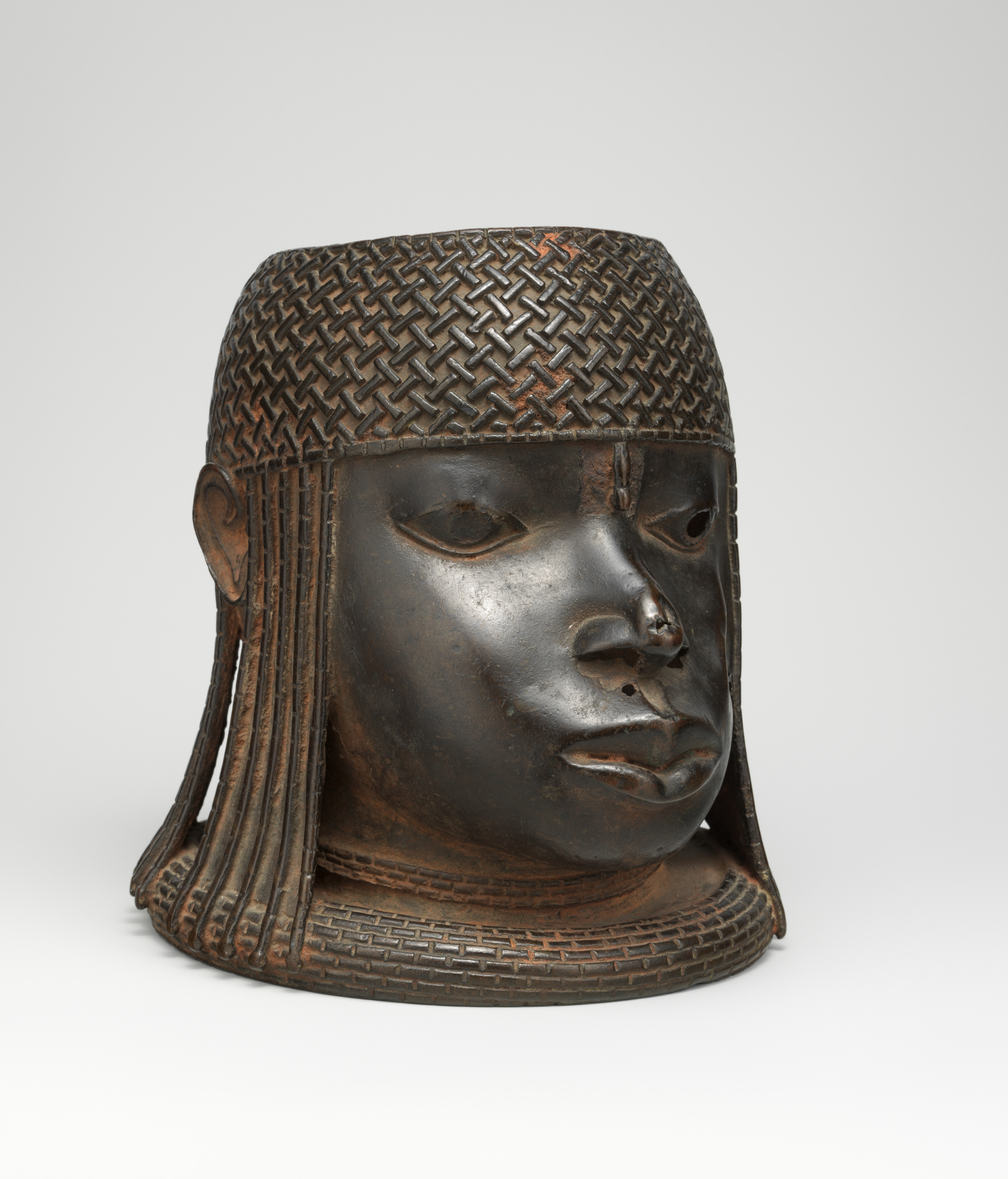 Head of an Ọ́bà (Ùhúnmwèlaò)West Africa · early 15th–mid-16th century
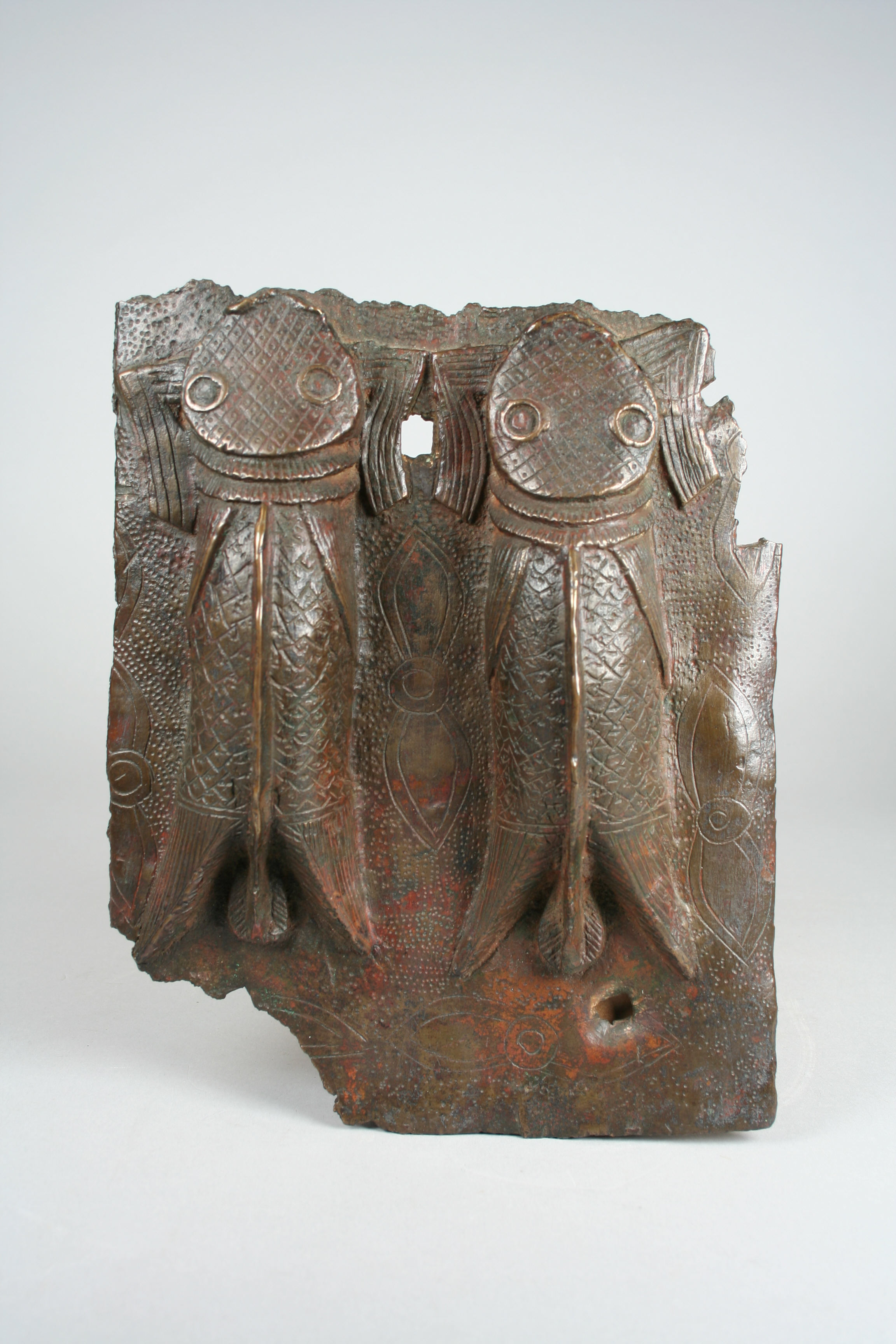 Plaque with Two MudfishWest Africa · ca. 1540–70
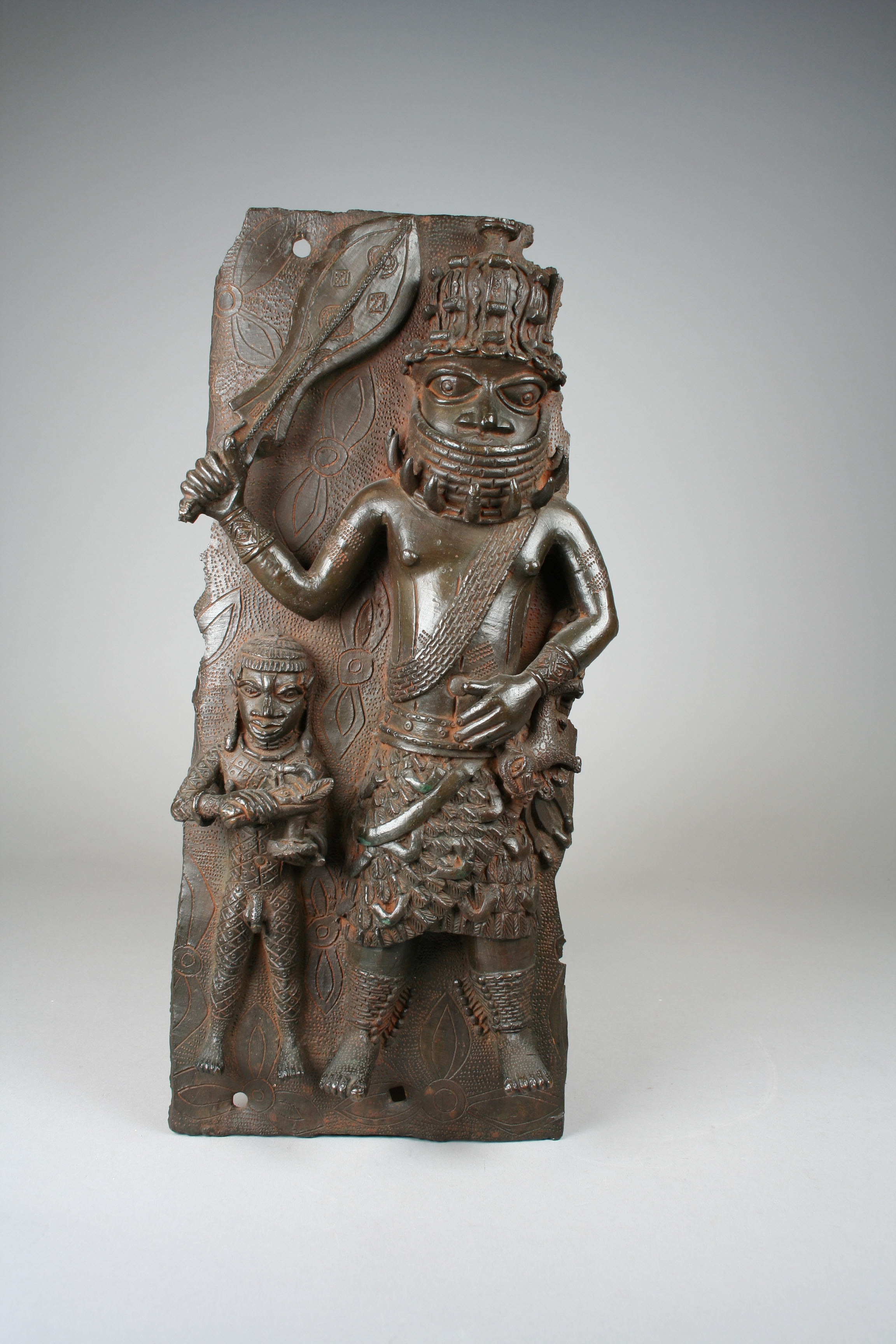 Plaque with Ìyàsẹ́ (Royal Commander) and AttendantWest Africa · ca. 1540–70
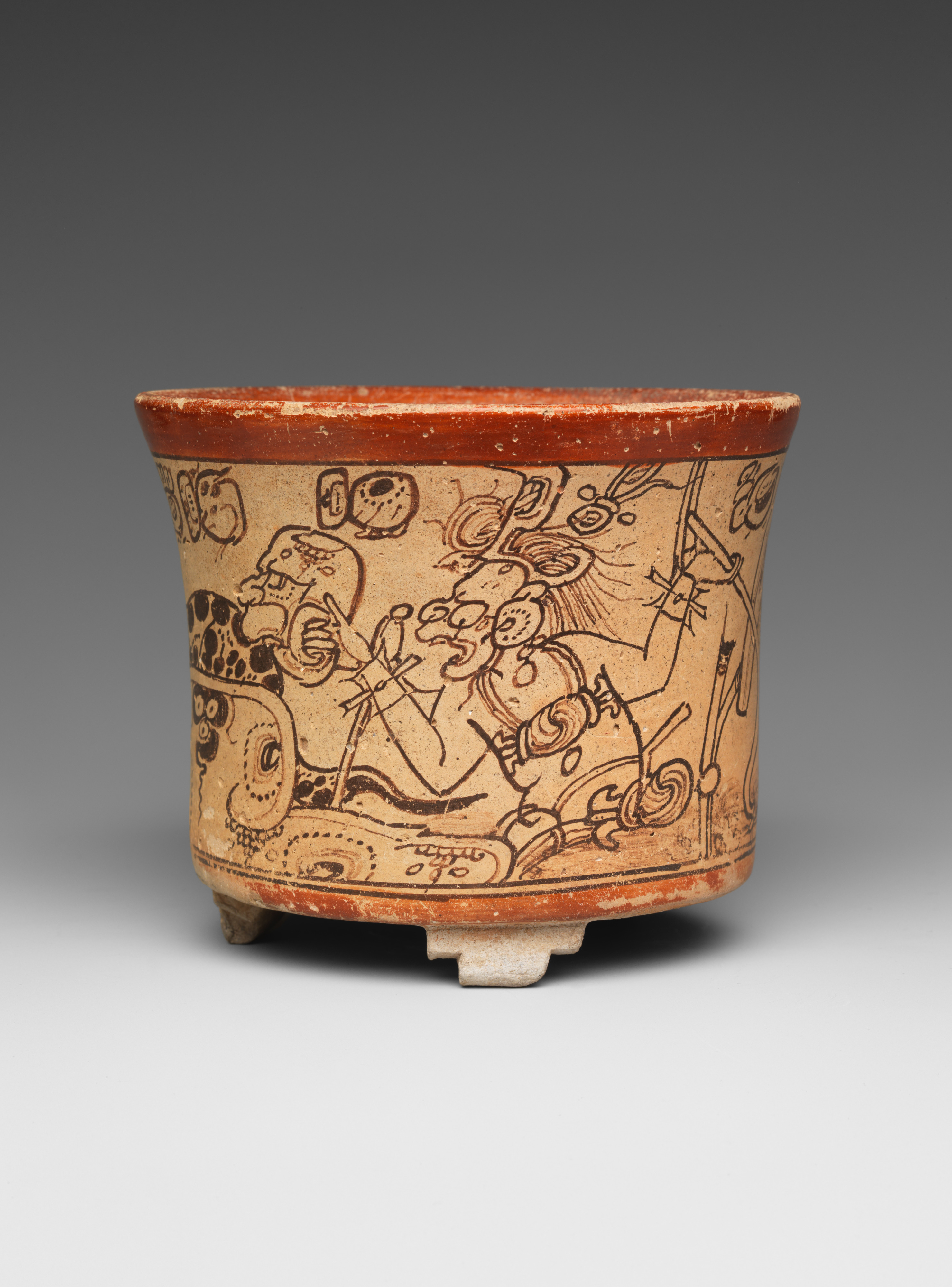 Vessel with mythological sceneWest Africa · 600–800 CE
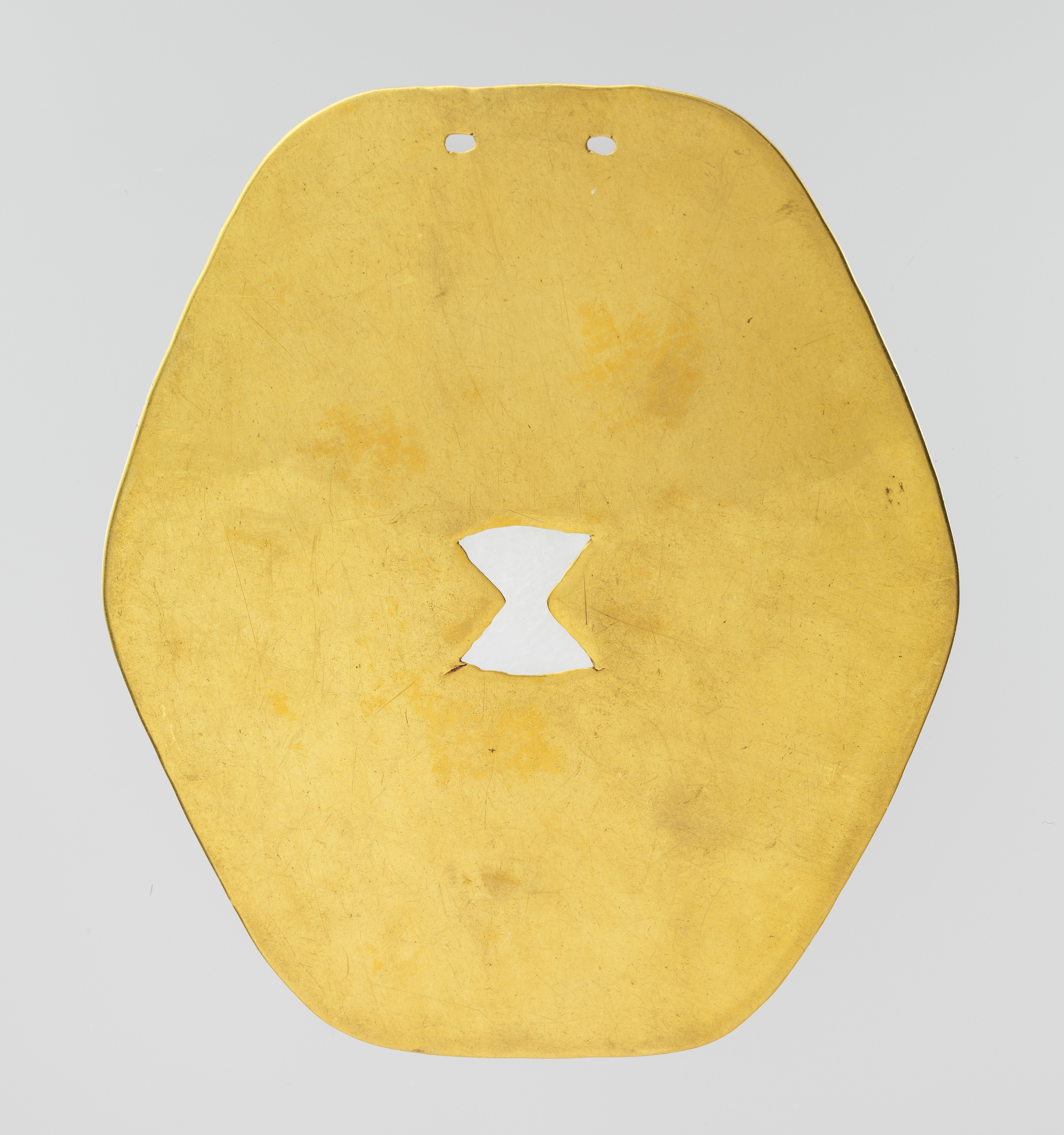 PlaqueWest Africa · 500 BCE–450 CE
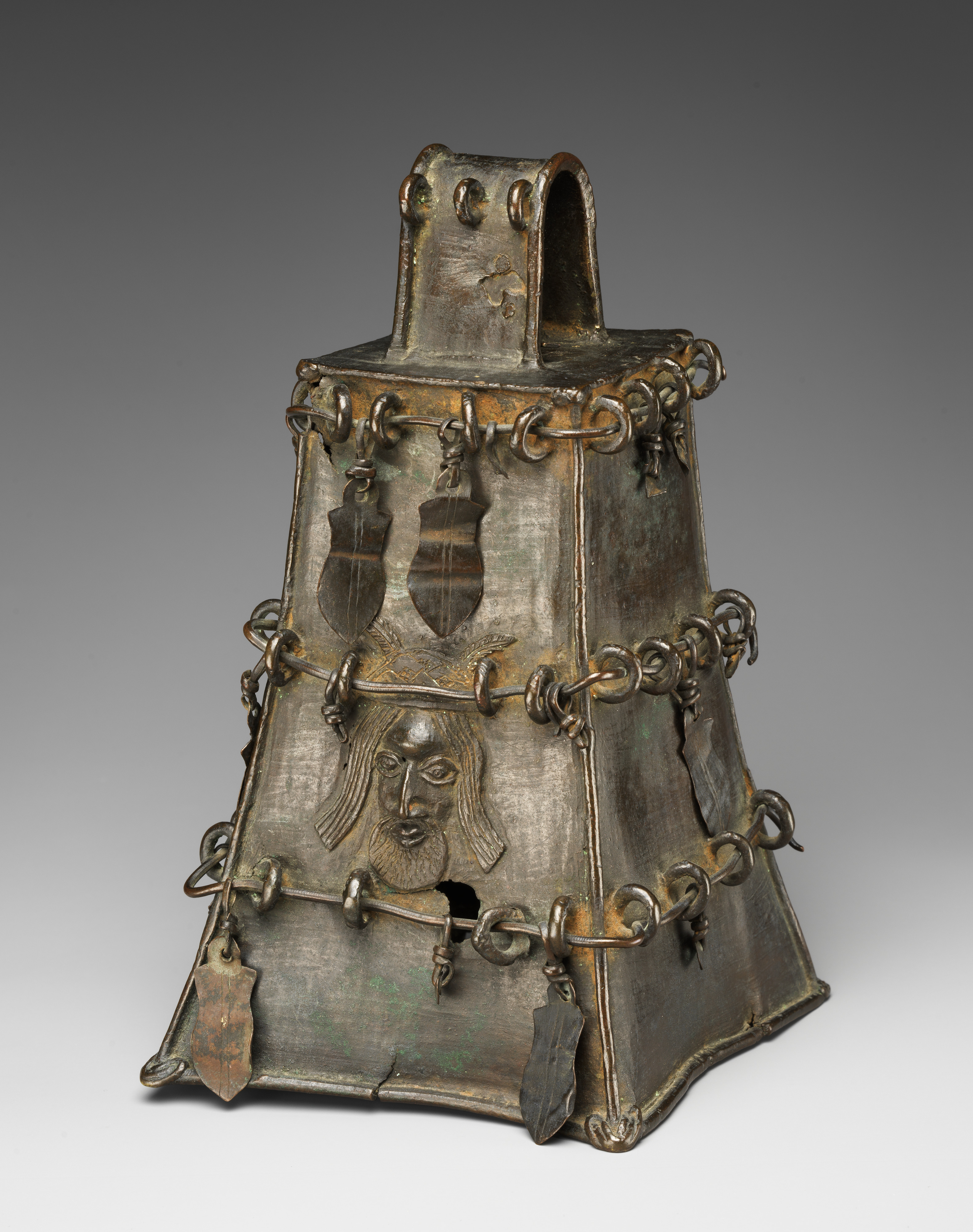 Altar bell with Portuguese headsWest Africa · 16th–17th century
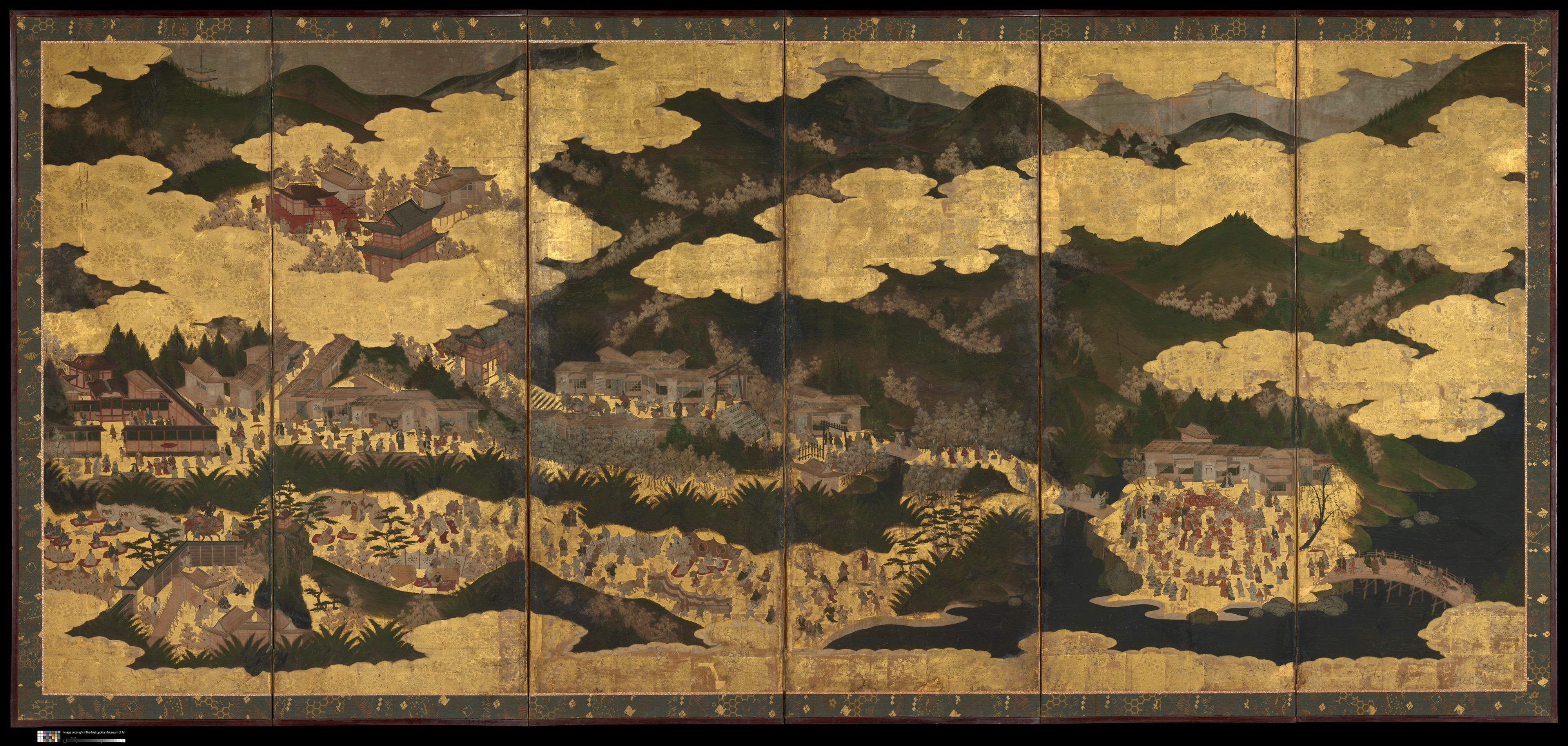 Cherry Blossom Viewing at Itsukushima and YoshinoWest Africa · first half 17th century
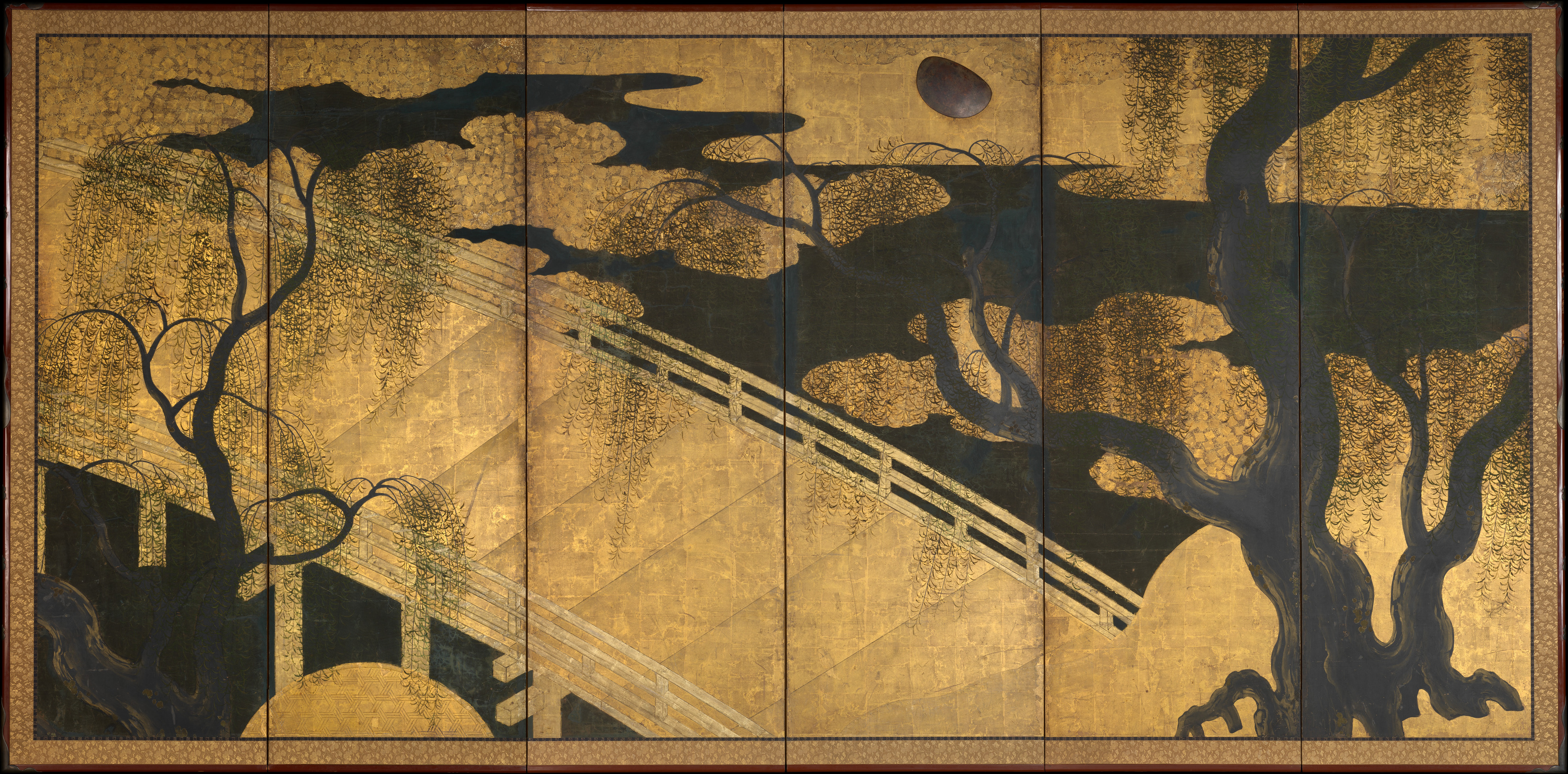 Willows and BridgeWest Africa · early 17th century
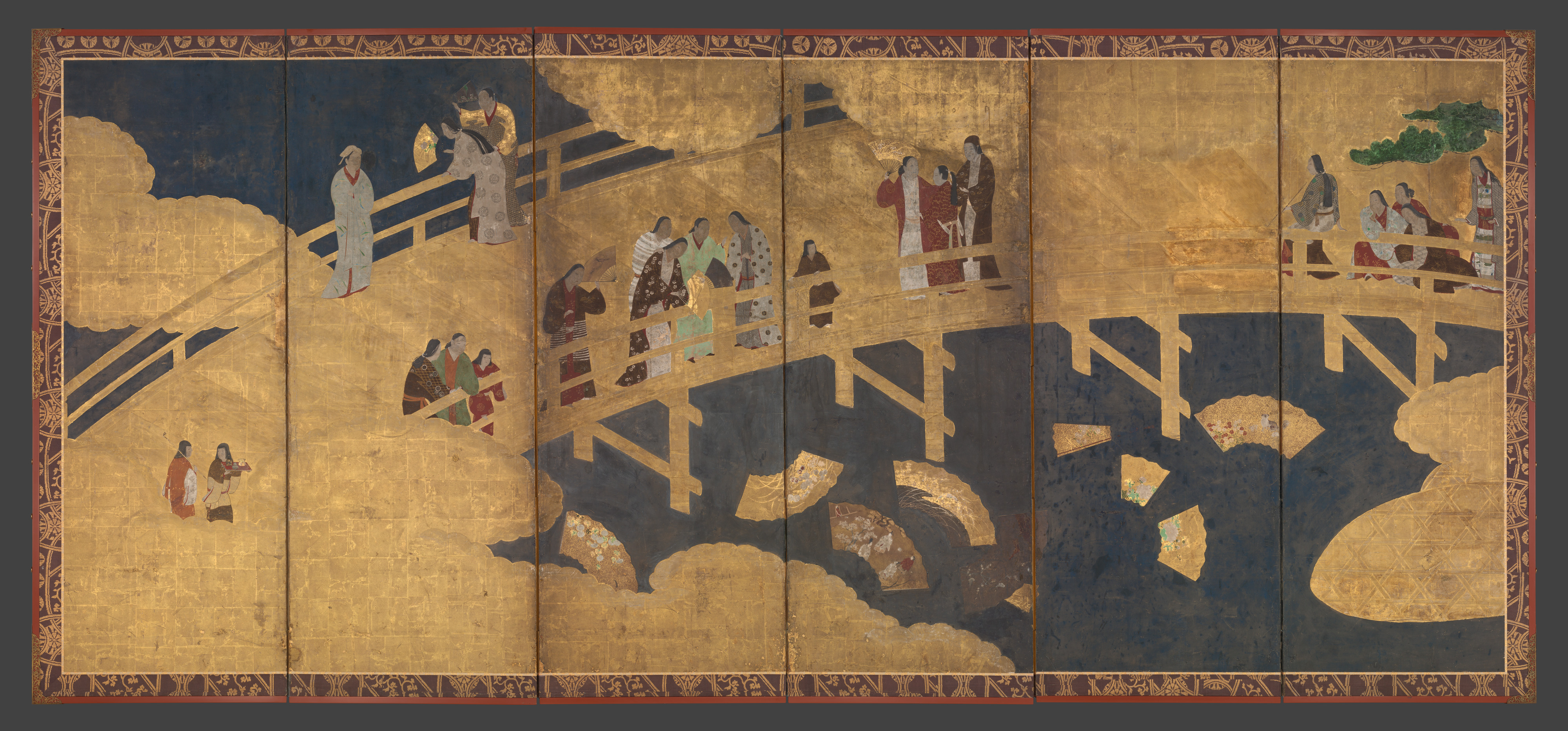 Women on a Bridge Tossing Fans into a RiverWest Africa · early 17th century
 Musk CatWest Africa · mid- to late 16th century
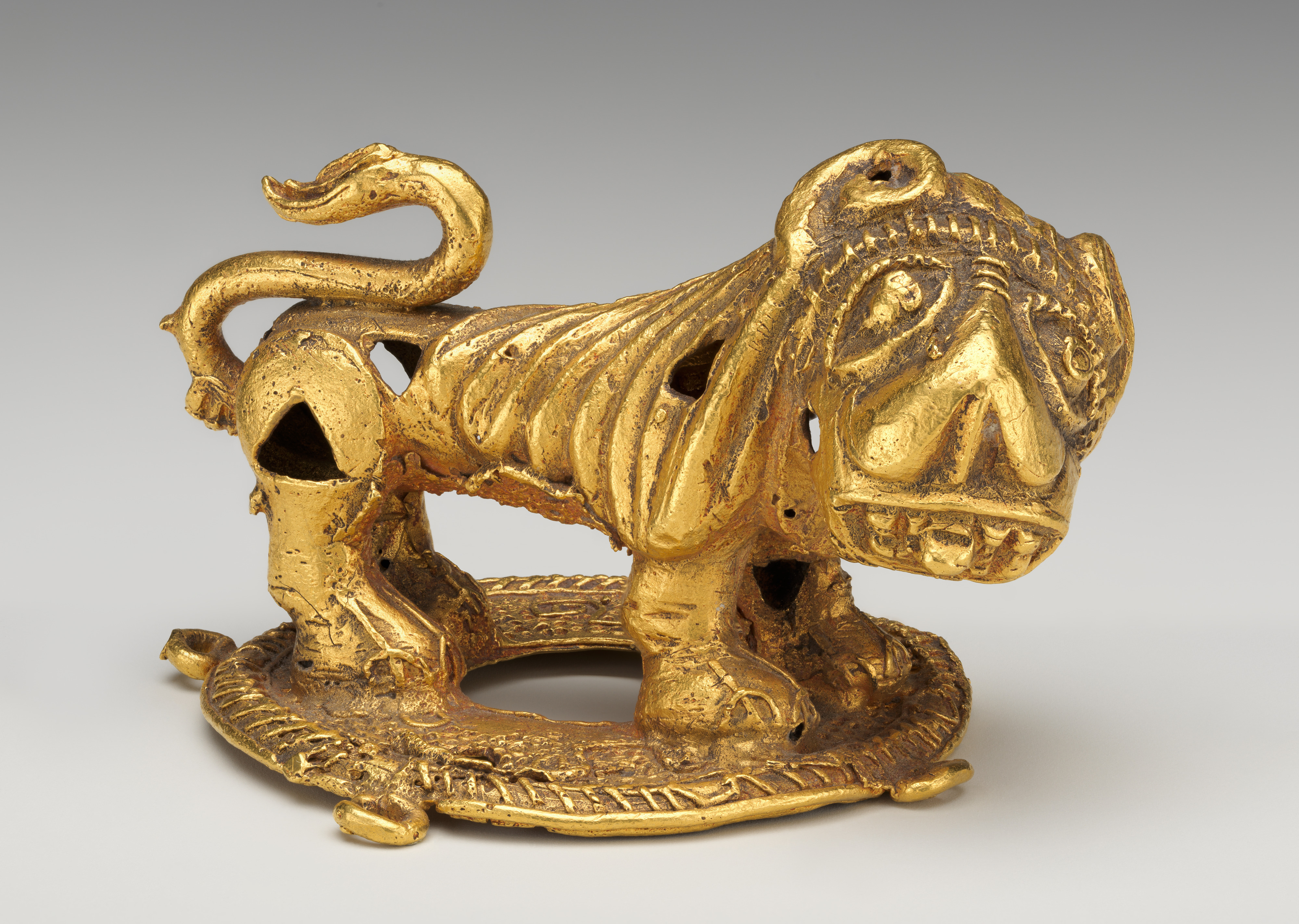 Lion OrnamentWest Africa · 19th century
 Rough WavesWest Africa · ca. 1704–9
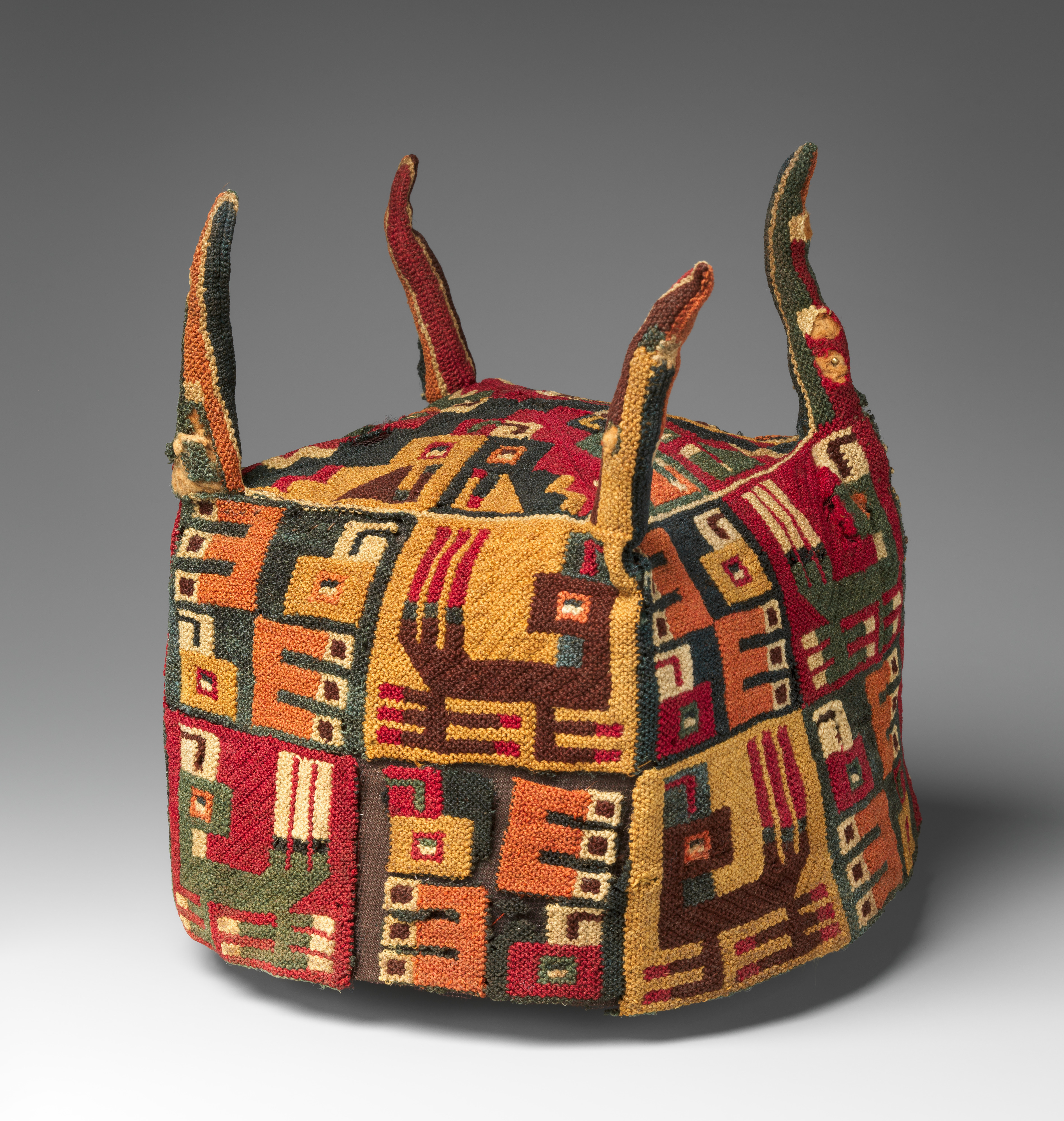 Four-Cornered HatWest Africa · 500–900 CE
 Nsodie (memorial head) of a queen motherWest Africa · Late 18th–19th century
 GwandusuWest Africa · 15th–17th century
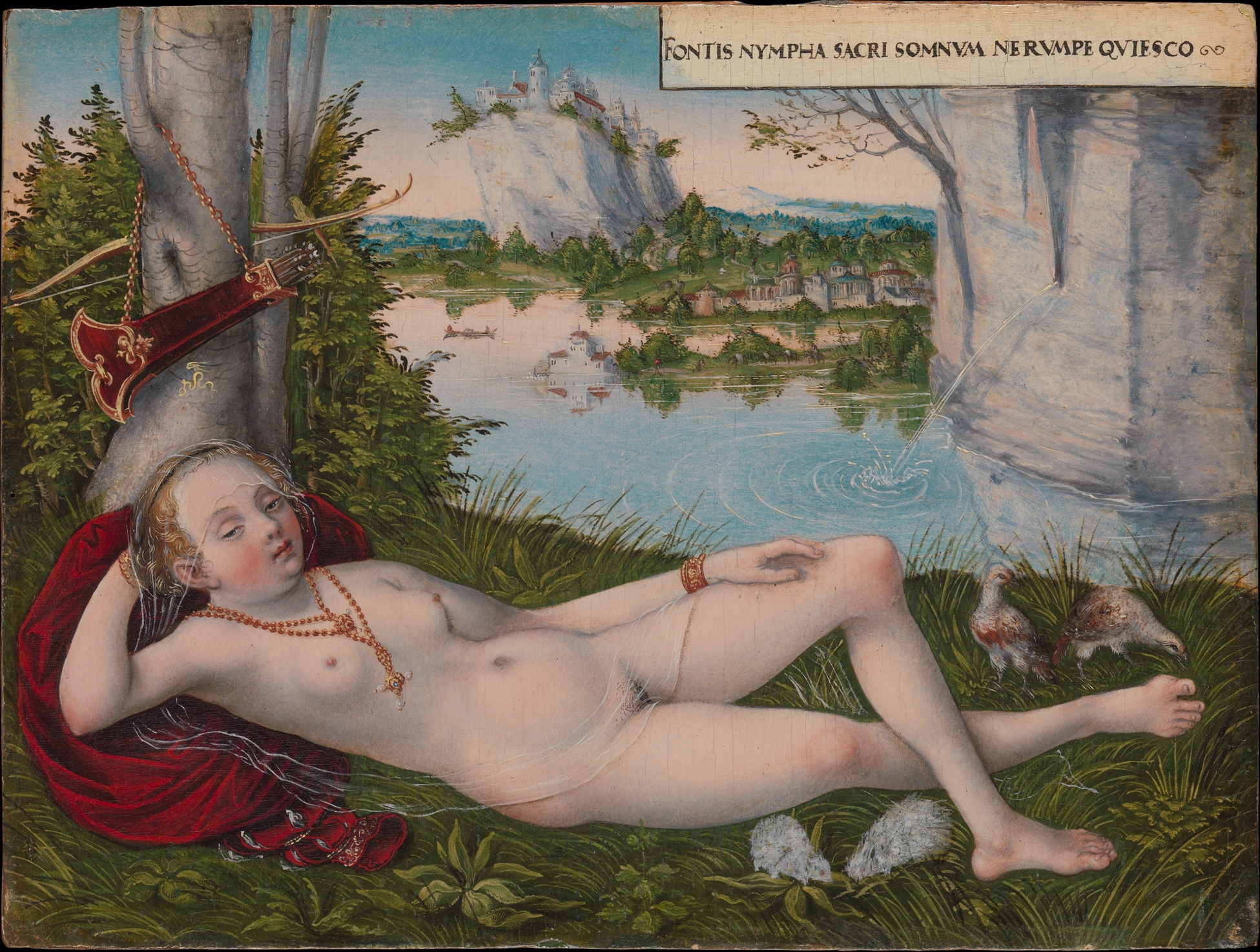 Nymph of the SpringWest Africa · ca. 1545–50
The Full Collection
66 worksEvery verified, rights-cleared work on this floor. Each piece is drawn from a public collection and credited to its source.
Plaque with Equestrian Ọ́bà and Attendants
Court of Benin, Nigeria · ca. 1540–70
A cast-brass relief from the royal palace of Benin City depicting a mounted ọ́bà (king) flanked by attendants. Produced by the Ìgùn Ẹ́rọ̀nwwọ̀n brass-casting guild, such plaques lined palace pillars, recording court ceremony, hierarchy, and the divine authority of Benin's kings.
Source · The Metropolitan Museum of ArtPlaque with Warrior and Attendants
Court of Benin, Nigeria · ca. 1540–70
A 16th-century brass plaque from the Court of Benin showing a central warrior in ceremonial regalia with shield and spear, escorted by attendants. Cast by the Ìgùn Ẹ́rọ̀nwwọ̀n guild, these reliefs adorned the royal palace, celebrating military power and the ordered ranks of the Edo kingdom.
Source · The Metropolitan Museum of ArtKuduo Vessel
Asante, Ghana · 18th–19th century
An Akan kuduo — a lidded cast-brass vessel of the Asante court used to hold gold dust, regalia, and offerings tied to a person's life-force. Made in 18th–19th-century Ghana, kuduo expressed wealth, status, and ritual obligation among Akan royalty and elites.
Source · The Metropolitan Museum of ArtSeated Couple
Bandiagara Escarpment, Mali · 18th–early 19th century
A Dogon wood sculpture of a seated couple, attributed to the "Barnes Foundation Master" of the Bandiagara Escarpment, Mali. Joined male and female figures express ideas of partnership, complementarity, and ancestry central to Dogon thought and the spiritual life of the cliff communities.
Source · The Metropolitan Museum of ArtAduno Koro (Ark of the World) Vessel
Bandiagara Escarpment, Mali · 16th–19th century
A monumental Dogon ritual vessel, the aduno koro or "ark of the world," carved with ancestral figures and horses. Used by ritual leaders of the Bandiagara Escarpment, it embodies Dogon cosmology — the ordering of the world and the community's bond with its founding ancestors.
Source · The Metropolitan Museum of ArtPriest with Raised Arms
Bandiagara Escarpment, Mali · 14th–17th century
A towering Dogon figure with arms raised to the sky, a gesture of prayer for rain and renewal. Carved between the 14th and 17th centuries on the Bandiagara Escarpment, such figures stood in shrines, mediating between the community, its ancestors, and the forces of nature.
Source · The Metropolitan Museum of ArtEquestrian Figure
Mali · 16th–18th century
A Dogon wood equestrian, the horse a rare emblem of wealth, prestige, and authority on the Bandiagara Escarpment. Mounted figures evoked founding ancestors and leaders; their elevation above the community signaled power and the connection between earthly rule and spiritual order in Dogon society.
Source · The Metropolitan Museum of ArtFemale Dege Dal Nda (Sculpture of the Terrace)
Mali · 18th–19th century
A refined Dogon female figure, a dege dal nda or "sculpture of the terrace," attributed to the "Master of Ogol" of the Sanga region, Mali. Displayed on rooftops during funerary rites, such figures honored the dead and affirmed continuity between the living and their ancestors.
Source · The Metropolitan Museum of ArtPair of Bala Players
Bandiagara Escarpment, Mali · 18th–early 19th century
A Dogon sculpture of two seated musicians playing the bala (xylophone), carved on the Bandiagara Escarpment. Music accompanied ritual, labor, and celebration in Dogon life; the paired players capture the social and ceremonial role of performance in binding the community together.
Source · The Metropolitan Museum of ArtStaff with Seated Male Leader
Mali · 16th–17th century
A copper-alloy staff from the Middle Niger region of Mali, topped by a seated leader. Forged by Dogon or Bozo blacksmiths, metal staffs marked rank and ritual office. The lost-wax casting reflects a deep West African metallurgical tradition tied to authority and the sacred work of the smith.
Source · The Metropolitan Museum of ArtEquestrian Pendant
Middle Niger region, Mali · 19th century
A small copper-alloy pendant of a mounted rider from the Middle Niger region of Mali, cast by Dogon or Bozo smiths. Worn as personal adornment and protection, equestrian imagery signaled prestige and recalled the cavalry power of the medieval Sahelian states of the western Sudan.
Source · The Metropolitan Museum of ArtVessel with Footed Base
Bandiagara Escarpment, Mali · 14th century
A 14th-century Tellem terracotta vessel from the caves of the Bandiagara Escarpment, Mali. The Tellem preceded the Dogon in the cliffs, and their ceramics — preserved in dry rock shelters — are among the oldest surviving art of the region, evidence of a long, layered heritage.
Source · The Metropolitan Museum of ArtCourt Official from a Commemorative Altar
Court of Benin, Nigeria · 16th–17th century
A 16th–17th-century brass figure of a Benin court official, cast by the Ìgùn Ẹ́rọ̀nwwọ̀n guild for a commemorative ancestral altar. His coral-bead regalia signals high rank; such figures honored the royal dead and affirmed the unbroken authority of the Edo court.
Source · The Metropolitan Museum of ArtHead of an Ọ́bà (Ùhúnmwèlaò)
Court of Benin, Nigeria · early 15th–mid-16th century
A commemorative brass head of a Benin ọ́bà (king), cast in the early 15th–16th century. Placed on royal ancestral altars and once crowned with a carved ivory tusk, these idealized heads embodied the divine kingship and dynastic continuity of the Edo state.
Source · The Metropolitan Museum of ArtPlaque with Two Mudfish
Court of Benin, Nigeria · ca. 1540–70
A mid-16th-century brass plaque of two mudfish from the Benin palace. Able to live on land and in water, the mudfish symbolized the dual, semi-divine nature of the ọ́bà and his dominion over the waters — a recurring emblem of Benin royal power.
Source · The Metropolitan Museum of ArtPlaque with Ìyàsẹ́ (Royal Commander) and Attendant
Court of Benin, Nigeria · ca. 1540–70
A mid-16th-century Benin brass plaque depicting the Ìyàsẹ́, a senior royal commander, with an attendant. Cast by the Ìgùn Ẹ́rọ̀nwwọ̀n guild for the palace, it records the ranks and military leadership that structured the Edo court.
Source · The Metropolitan Museum of ArtVessel with mythological scene
Mexico or Guatemala · 600–800 CE
Vessel with mythological scene - Maya - 600–800 CE. Ceramic, slip. From the collection of The Metropolitan Museum of Art (Open Access, CC0).
Source · The Metropolitan Museum of ArtPlaque
Argentina · 500 BCE–450 CE
Plaque - Condorhuasi - 500 BCE–450 CE. Gold. From the collection of The Metropolitan Museum of Art (Open Access, CC0).
Source · The Metropolitan Museum of ArtAltar bell with Portuguese heads
Nigeria · 16th–17th century
Altar bell with Portuguese heads - Edo peoples - 16th–17th century. Brass. From the collection of The Metropolitan Museum of Art (Open Access, CC0).
Source · The Metropolitan Museum of ArtCherry Blossom Viewing at Itsukushima and Yoshino
Japan · first half 17th century
Cherry Blossom Viewing at Itsukushima and Yoshino - Japan - first half 17th century. Pair of six-panel folding screens; ink, color, and gold leaf on paper. From the collection of The Metropolitan Museum of Art (Open Access, CC0).
Source · The Metropolitan Museum of ArtWillows and Bridge
Japan · early 17th century
Willows and Bridge - Japan - early 17th century. Pair of six-panel folding screens; ink, color, copper, gold, and gold leaf on paper. From the collection of The Metropolitan Museum of Art (Open Access, CC0).
Source · The Metropolitan Museum of ArtWomen on a Bridge Tossing Fans into a River
Japan · early 17th century
Women on a Bridge Tossing Fans into a River - Japan - early 17th century. Six-panel folding screen; ink, color, gold, and gold leaf on paper. From the collection of The Metropolitan Museum of Art (Open Access, CC0).
Source · The Metropolitan Museum of ArtMusk Cat
Japan · mid- to late 16th century
Musk Cat - Japan - mid- to late 16th century. Hanging scroll; ink and color on paper. From the collection of The Metropolitan Museum of Art (Open Access, CC0).
Source · The Metropolitan Museum of ArtLion Ornament
Ghana · 19th century
Lion Ornament - Akan peoples, Asante group - 19th century. Gold. From the collection of The Metropolitan Museum of Art (Open Access, CC0).
Source · The Metropolitan Museum of ArtRough Waves
Japan · ca. 1704–9
Rough Waves - Japan - ca. 1704–9. Two-panel folding screen; ink, color, and gold leaf on paper. From the collection of The Metropolitan Museum of Art (Open Access, CC0).
Source · The Metropolitan Museum of ArtFour-Cornered Hat
Bolivia or Peru · 500–900 CE
Four-Cornered Hat - Tiwanaku or Wari - 500–900 CE. Camelid fiber. From the collection of The Metropolitan Museum of Art (Open Access, CC0).
Source · The Metropolitan Museum of ArtNsodie (memorial head) of a queen mother
Ghana · Late 18th–19th century
Nsodie (memorial head) of a queen mother - Akan - Late 18th–19th century. Terracotta. From the collection of The Metropolitan Museum of Art (Open Access, CC0).
Source · The Metropolitan Museum of ArtGwandusu
Mali · 15th–17th century
Gwandusu - Bamana peoples - 15th–17th century. Wood (Cordyla africana or Lonchocarpus), applied organic materials. From the collection of The Metropolitan Museum of Art (Open Access, CC0).
Source · The Metropolitan Museum of ArtNymph of the Spring
ca. 1545–50
Nymph of the Spring - ca. 1545–50. Oil on beech panel. From the collection of The Metropolitan Museum of Art (Open Access, CC0).
Source · The Metropolitan Museum of Art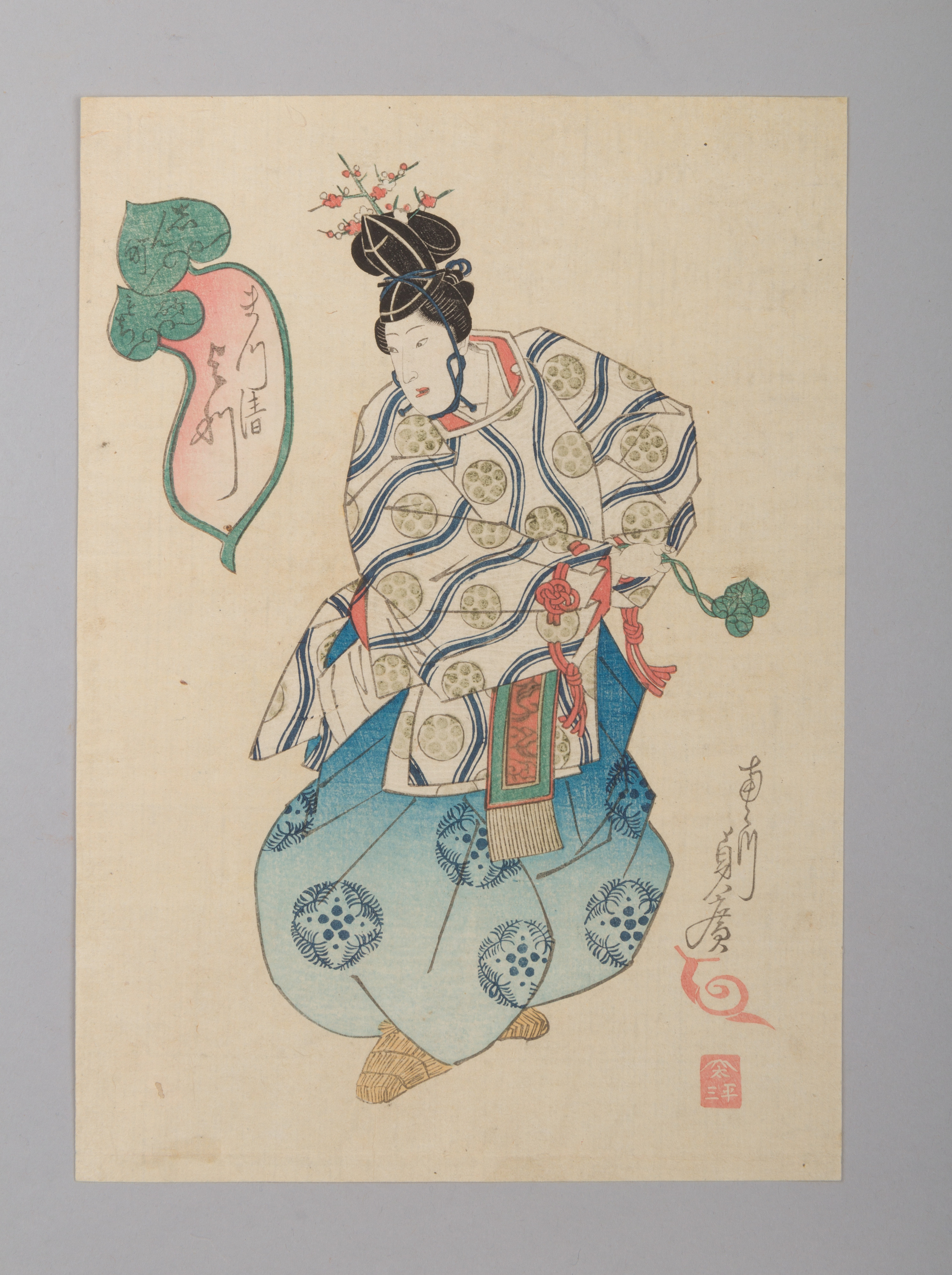
Yotsu of the Matsukiyo Brothel Performing as a Shirabyōshi, from the series Sacred Dances in Shinmachi
Japan · 1841
Yotsu of the Matsukiyo Brothel Performing as a Shirabyōshi, from the series Sacred Dances in Shinmachi - Japan - 1841. Woodblock print (nishiki-e); ink and color on paper; vertical chūban. From the collection of The Metropolitan Museum of Art (Open Access, CC0).
Source · The Metropolitan Museum of Art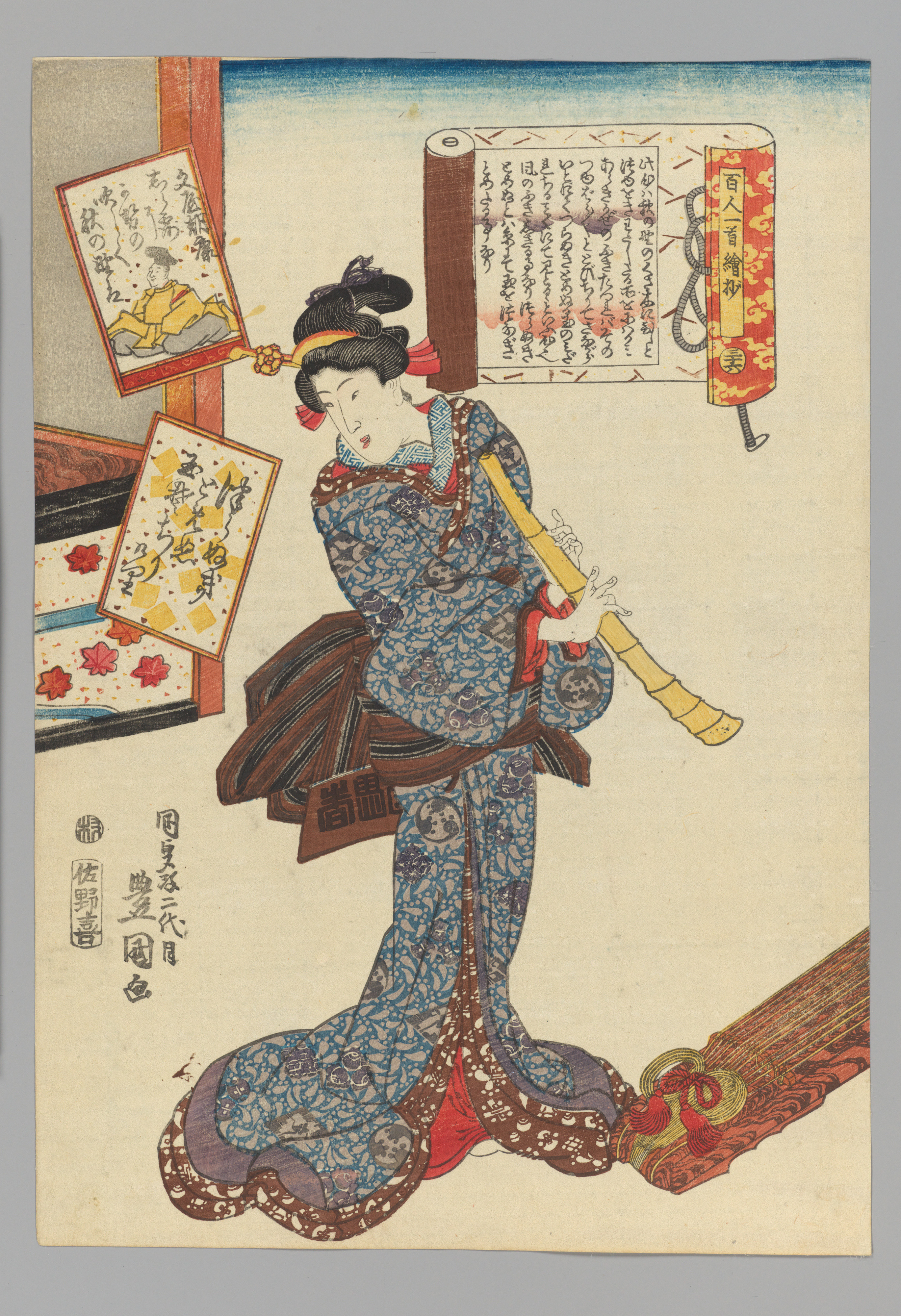
Bun’ya no Asayasu (no. 36), from the series A Pictorial Commentary on One Hundred Poems by One Hundred Poets (Hyakunin isshu eshō: Bun'ya no Asayasu)
Japan · ca. 1844
Bun’ya no Asayasu (no. 36), from the series A Pictorial Commentary on One Hundred Poems by One Hundred Poets (Hyakunin isshu eshō: Bun'ya no Asayasu) - Japan - ca. 1844. Woodblock print (nishiki-e); vertical ōban; ink and color on paper. From the collection of The Metropolitan Museum of Art (Open Access, CC0).
Source · The Metropolitan Museum of Art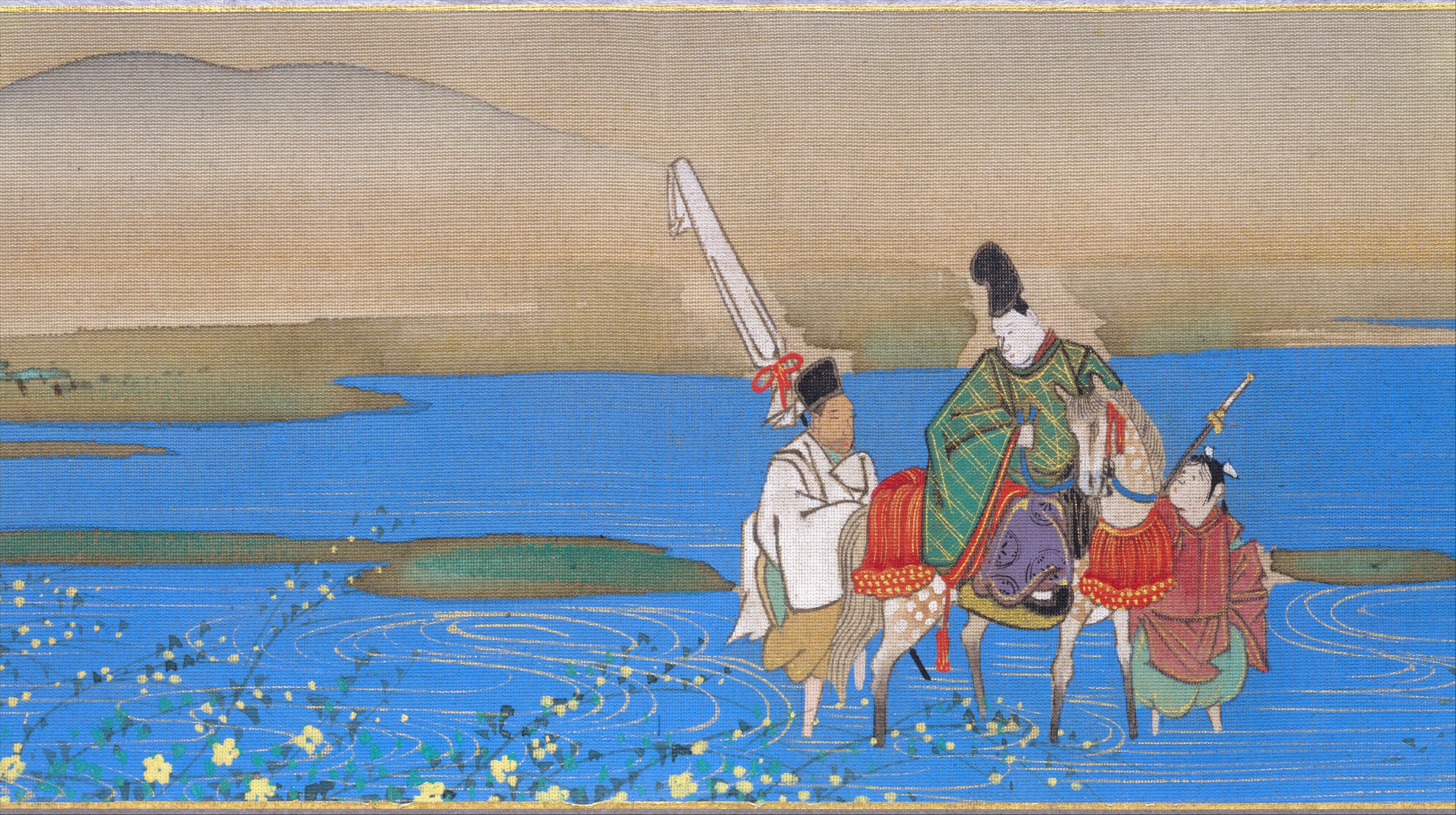
Six Jewel Rivers
Japan · ca. 1839
Six Jewel Rivers - Japan - ca. 1839. Six handscrolls; ink, color, and gold on silk. From the collection of The Metropolitan Museum of Art (Open Access, CC0).
Source · The Metropolitan Museum of Art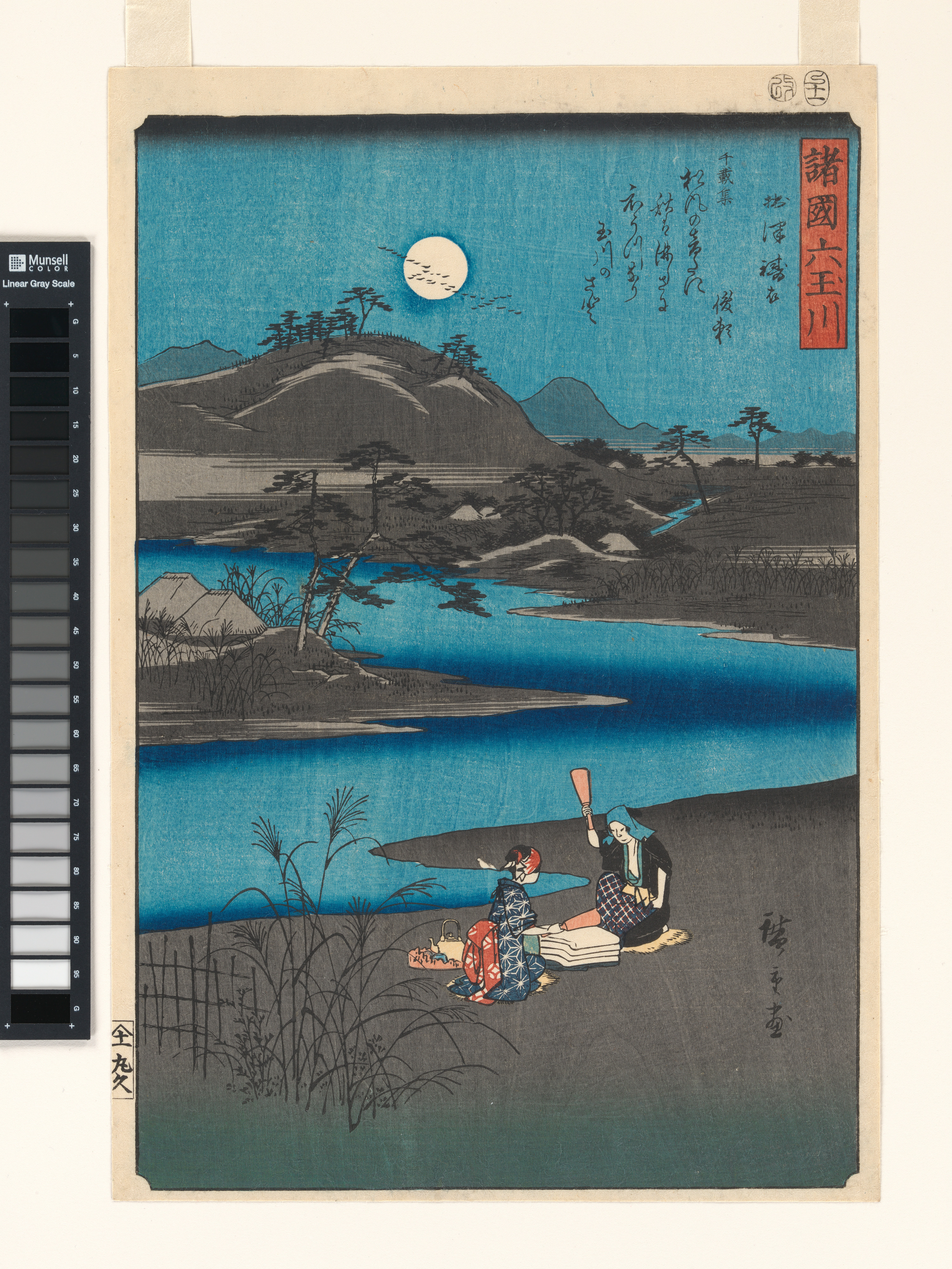
Six Jewel Rivers from Various Provinces
Japan · 1857
Six Jewel Rivers from Various Provinces - Japan - 1857. Six woodblock prints; ink and color on paper. From the collection of The Metropolitan Museum of Art (Open Access, CC0).
Source · The Metropolitan Museum of Art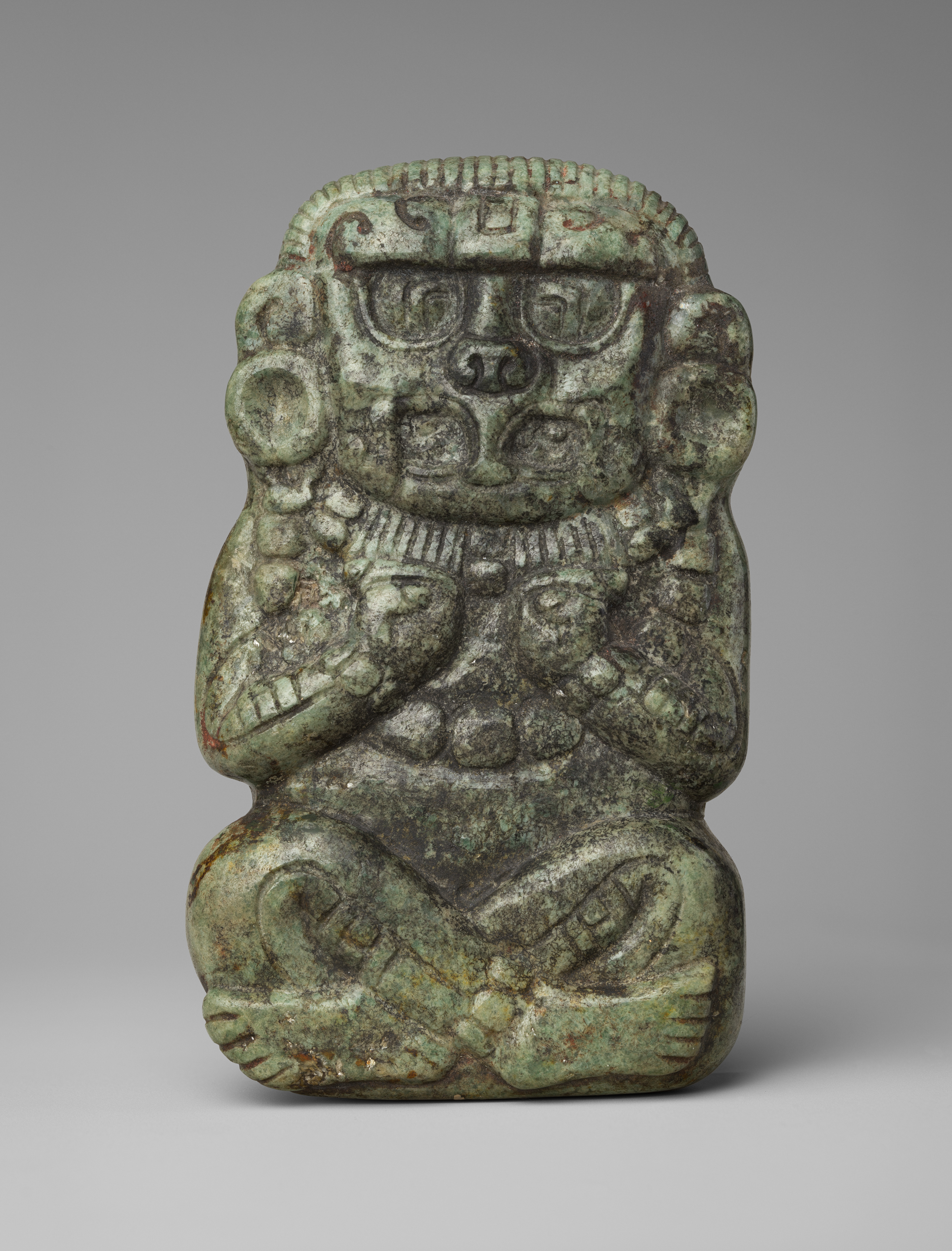
Deity figure
Southern Mexico, Guatemala, Honduras, or Belize · 200–600 CE
Deity figure - Maya - 200–600 CE. Pyroxene jadeite. From the collection of The Metropolitan Museum of Art (Open Access, CC0).
Source · The Metropolitan Museum of Art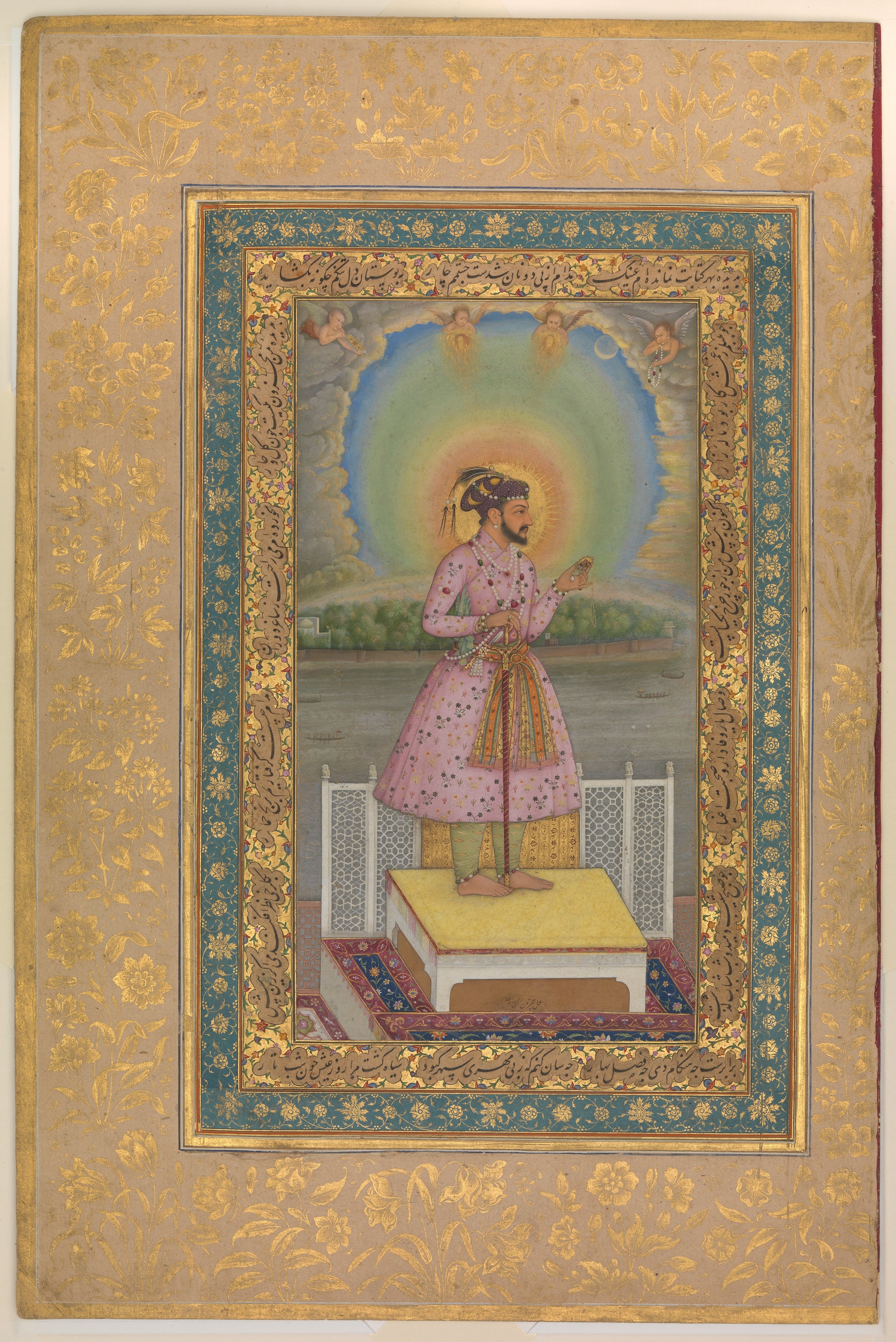
"Shah Jahan on a Terrace, Holding a Pendant Set With His Portrait", Folio from the Shah Jahan Album
India · recto: dated 1627–28; verso: ca. 1530–50
"Shah Jahan on a Terrace, Holding a Pendant Set With His Portrait", Folio from the Shah Jahan Album - recto: dated 1627–28; verso: ca. 1530–50. Ink, opaque watercolor, and gold on paper. From the collection of The Metropolitan Museum of Art (Open Access, CC0).
Source · The Metropolitan Museum of Art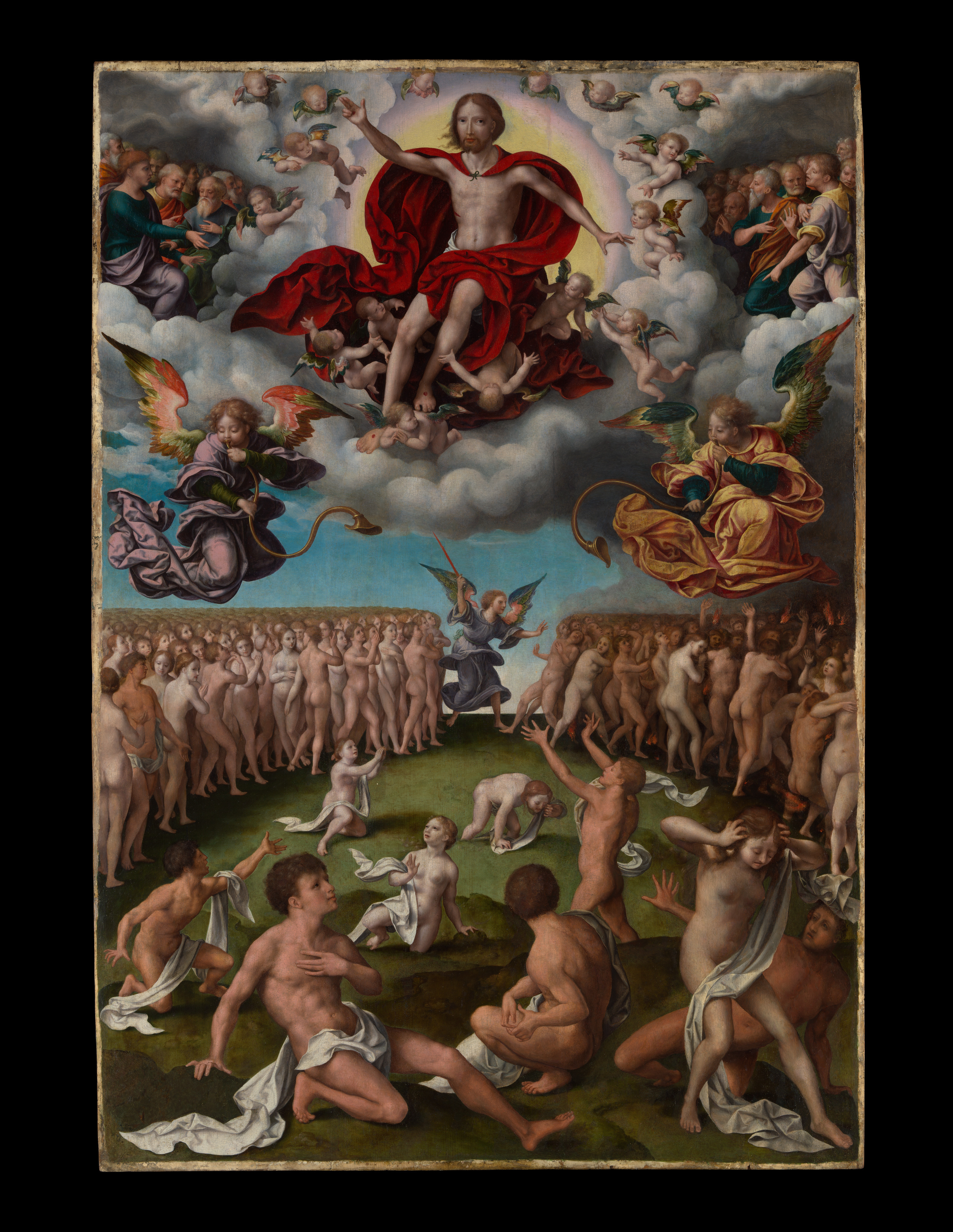
The Last Judgment
ca. 1525–30
The Last Judgment - ca. 1525–30. Oil on wood. From the collection of The Metropolitan Museum of Art (Open Access, CC0).
Source · The Metropolitan Museum of Art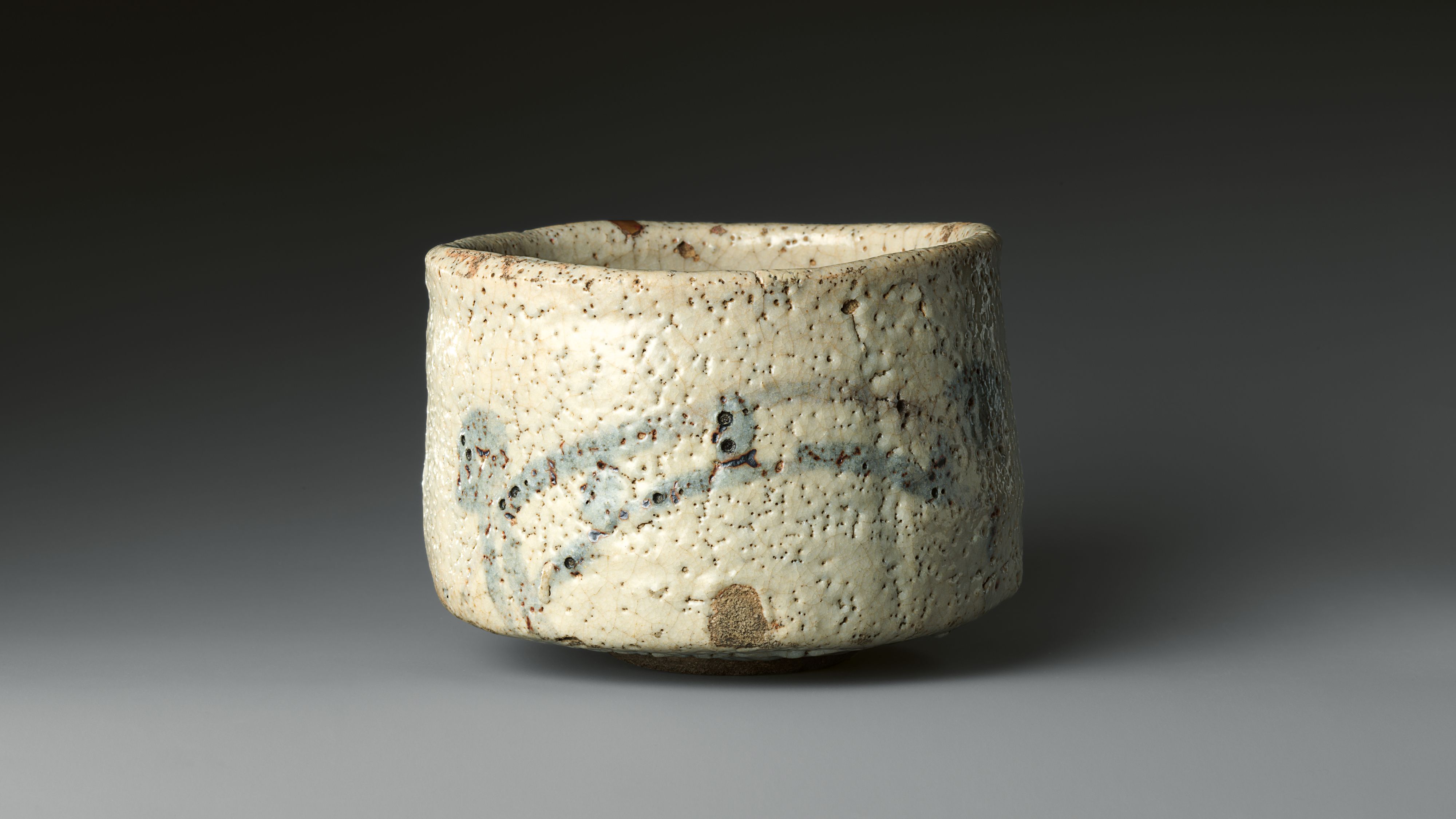
Shino Tea Bowl with Bridge and Shrine, Known as “Bridge of the Gods” (Shinkyō)
Japan · late 16th–early 17th century
Shino Tea Bowl with Bridge and Shrine, Known as “Bridge of the Gods” (Shinkyō) - Japan - late 16th–early 17th century. Stoneware with iron oxide under glaze (Mino ware, Shino type). From the collection of The Metropolitan Museum of Art (Open Access, CC0).
Source · The Metropolitan Museum of Art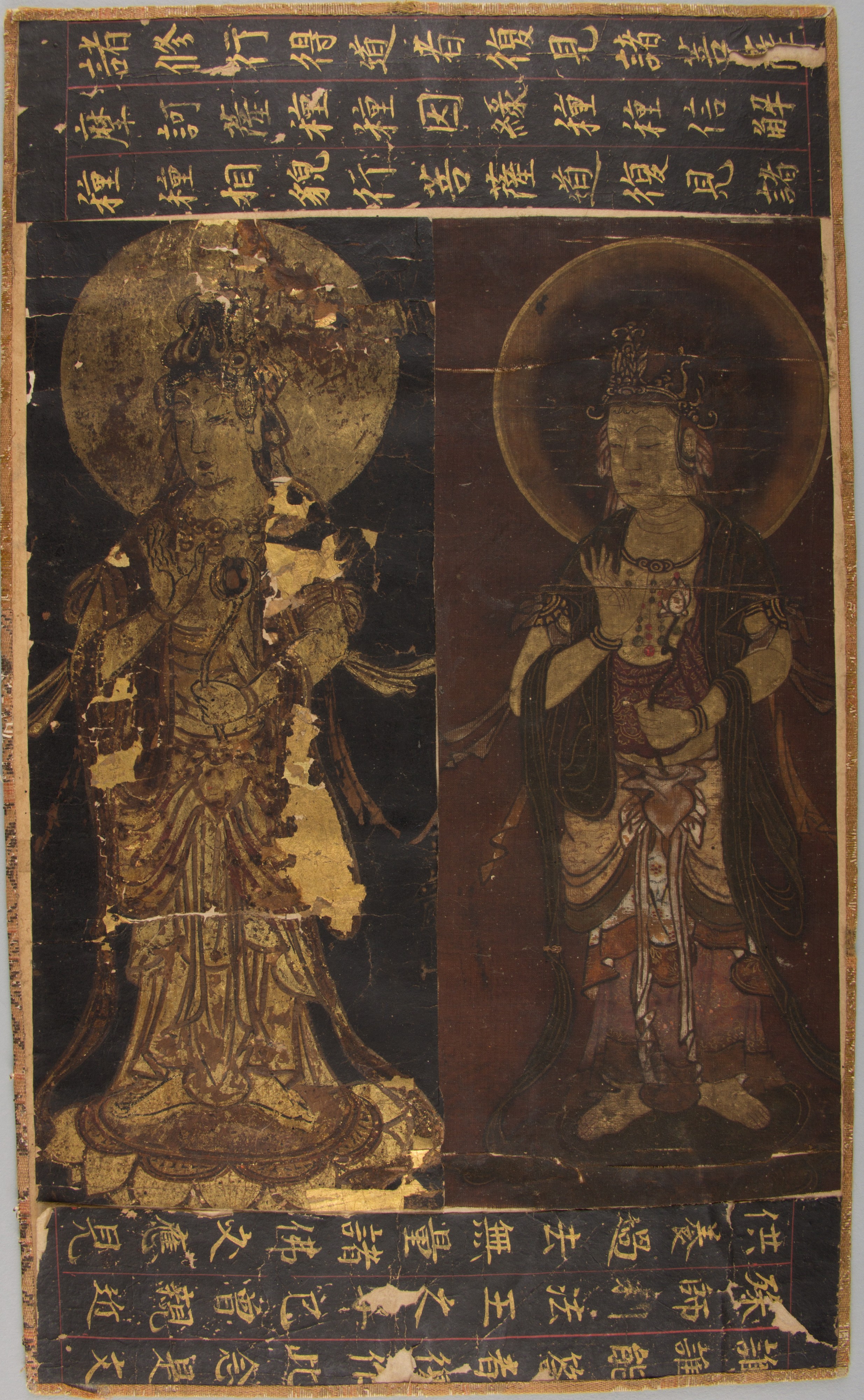
Page of a Pilgrim’s Visiting Album
Japan · late 18th–19th century
Page of a Pilgrim’s Visiting Album - Japan - late 18th–19th century. Album page; ink, color, and gold on paper, textile cover. From the collection of The Metropolitan Museum of Art (Open Access, CC0).
Source · The Metropolitan Museum of Art
Painting the Eyes on a Snow Rabbit
Japan · ca. 1780
Painting the Eyes on a Snow Rabbit - Japan - ca. 1780. Hanging scroll; ink and color on silk. From the collection of The Metropolitan Museum of Art (Open Access, CC0).
Source · The Metropolitan Museum of Art
Vase
United States · 1902
Vase - American - 1902. Porcelain. From the collection of The Metropolitan Museum of Art (Open Access, CC0).
Source · The Metropolitan Museum of Art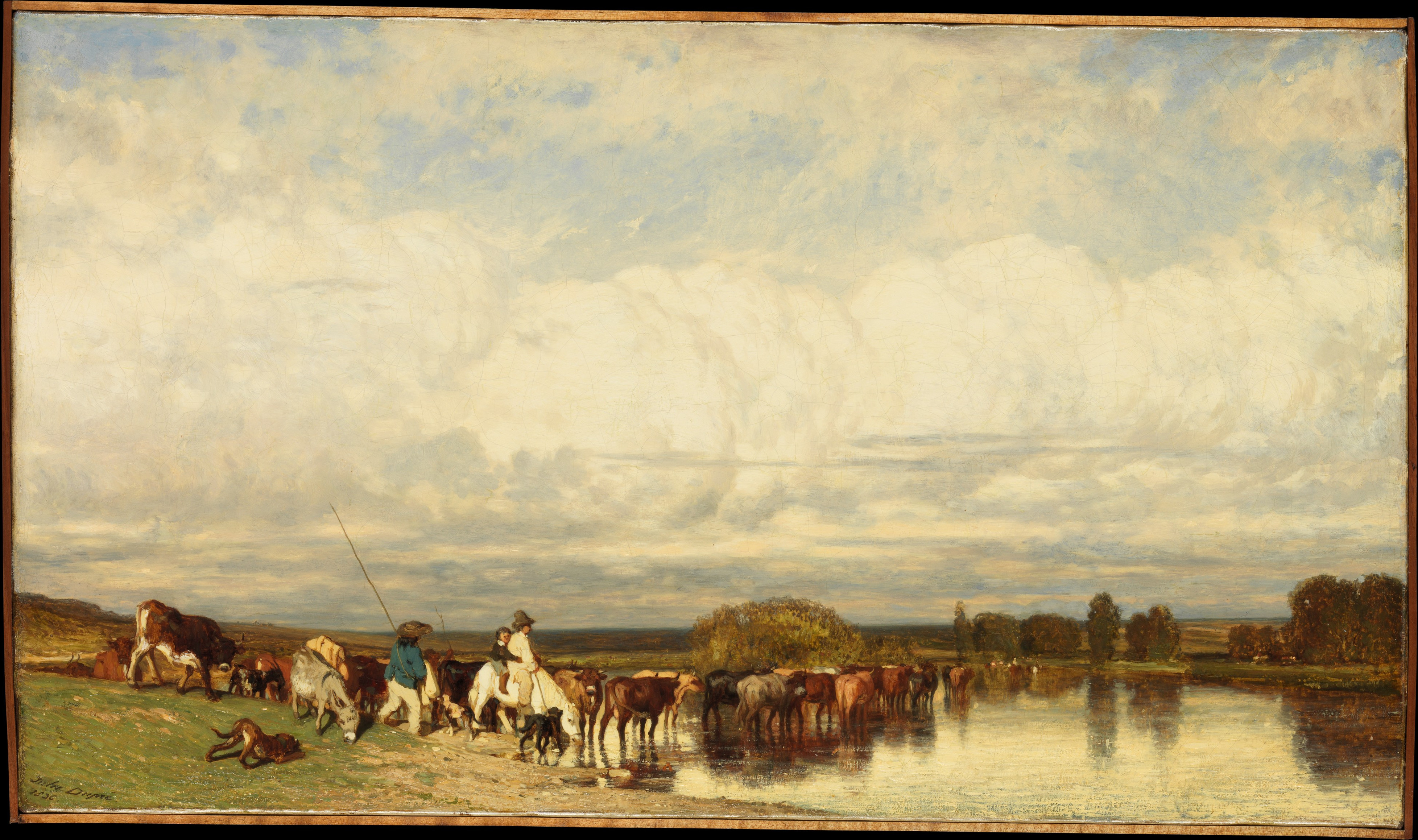
Cows Crossing a Ford
1836
Cows Crossing a Ford - 1836. Oil on canvas. From the collection of The Metropolitan Museum of Art (Open Access, CC0).
Source · The Metropolitan Museum of Art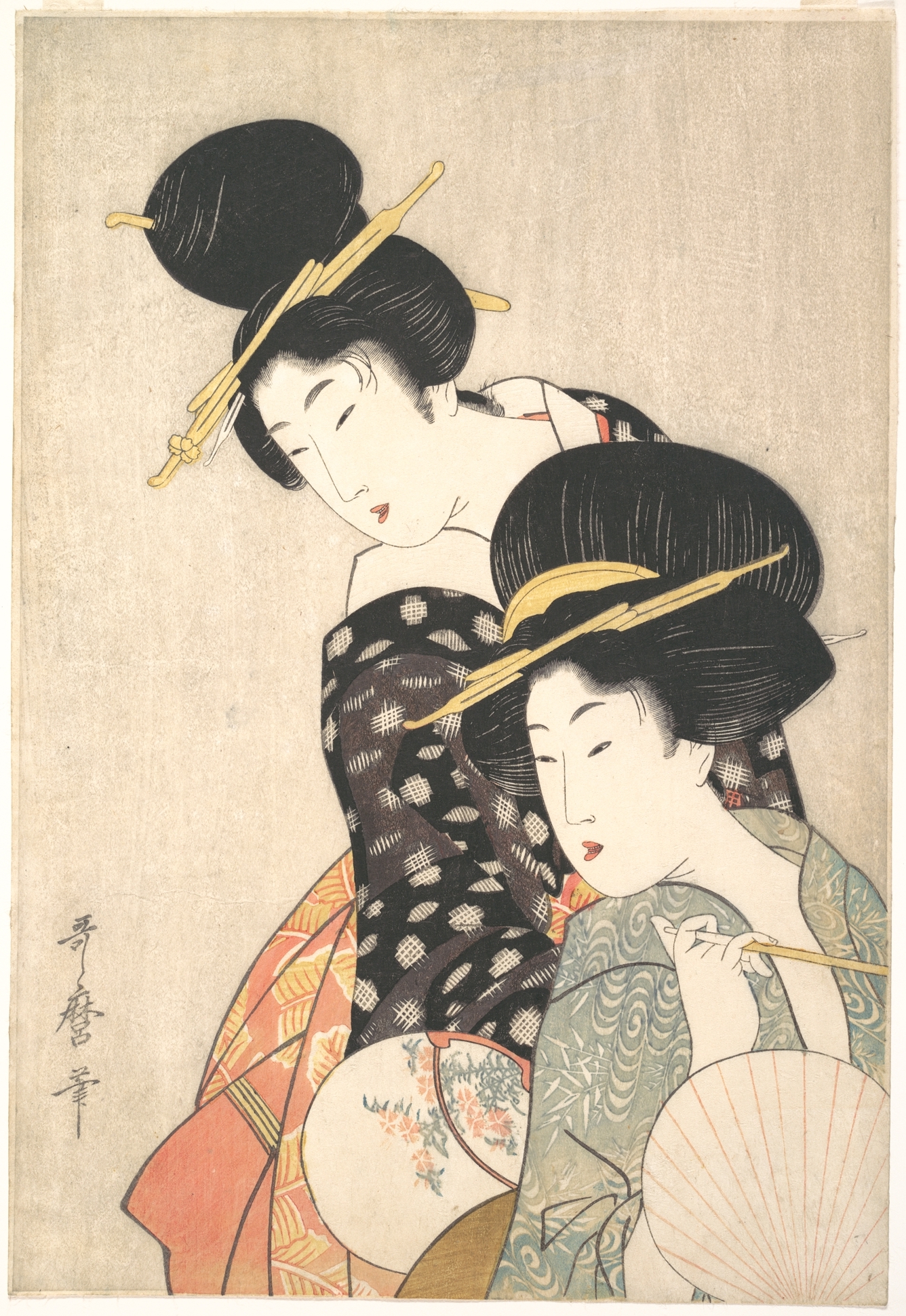
Two Women
Japan · ca. 1790
Two Women - Japan - ca. 1790. Woodblock print; ink and color on paper. From the collection of The Metropolitan Museum of Art (Open Access, CC0).
Source · The Metropolitan Museum of Art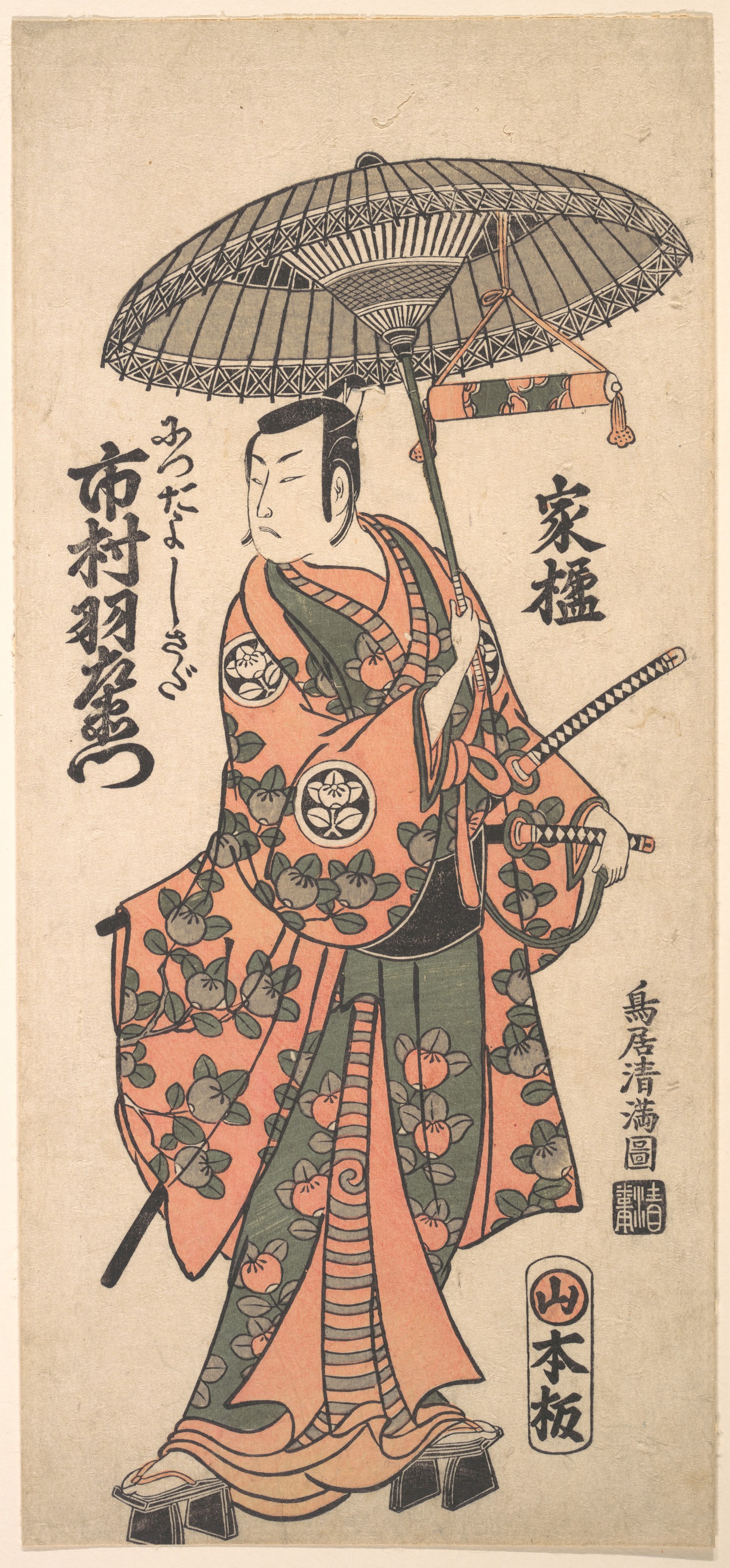
Kabuki Actor Ichimura Uzaemon IX
Japan · ca. 1759
Kabuki Actor Ichimura Uzaemon IX - Japan - ca. 1759. Woodblock print; ink and color on paper. From the collection of The Metropolitan Museum of Art (Open Access, CC0).
Source · The Metropolitan Museum of Art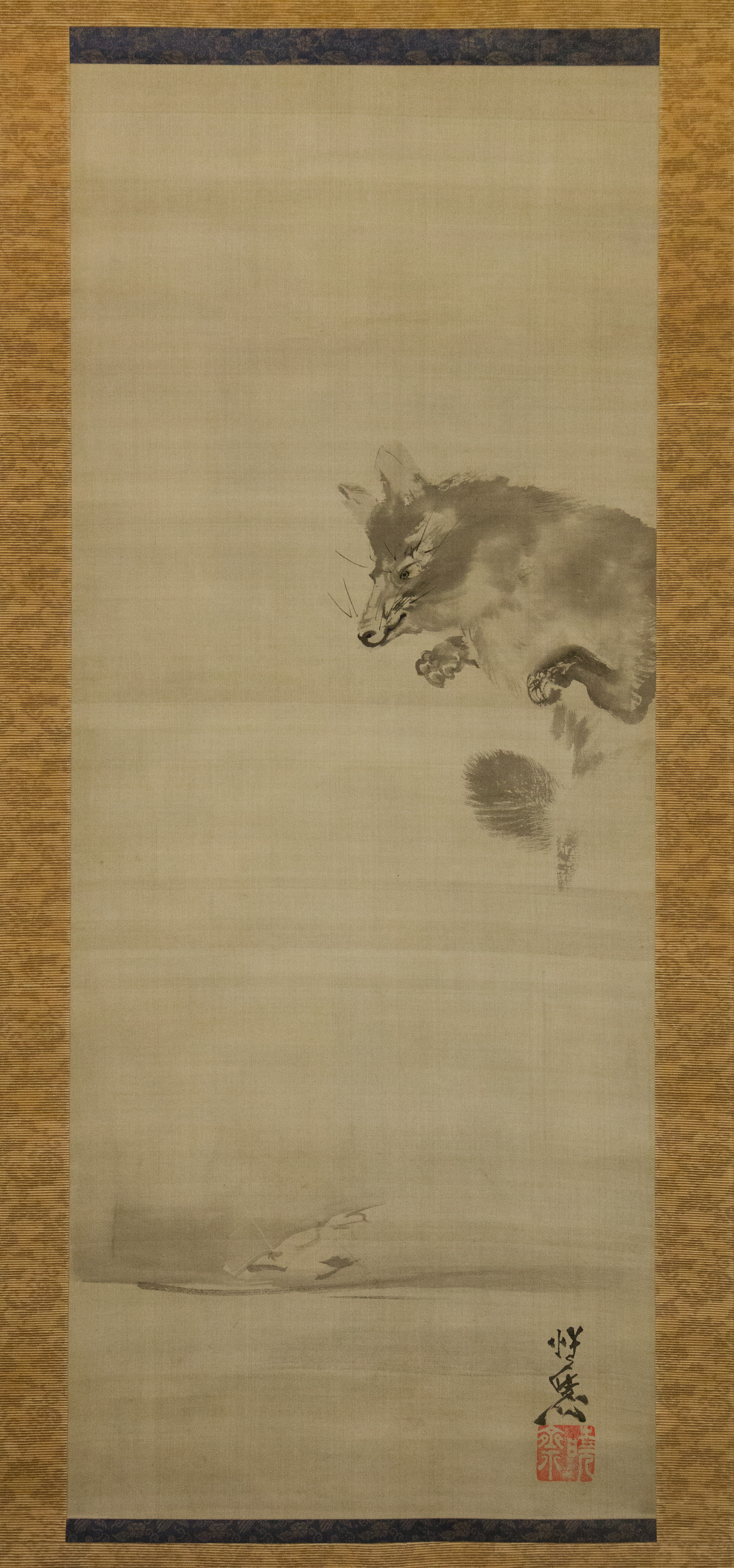
Tanuki (Racoon Dog) Viewing Its Reflection in Water
Japan · late 19th century
Tanuki (Racoon Dog) Viewing Its Reflection in Water - Japan - late 19th century. Hanging scroll; ink on silk. From the collection of The Metropolitan Museum of Art (Open Access, CC0).
Source · The Metropolitan Museum of Art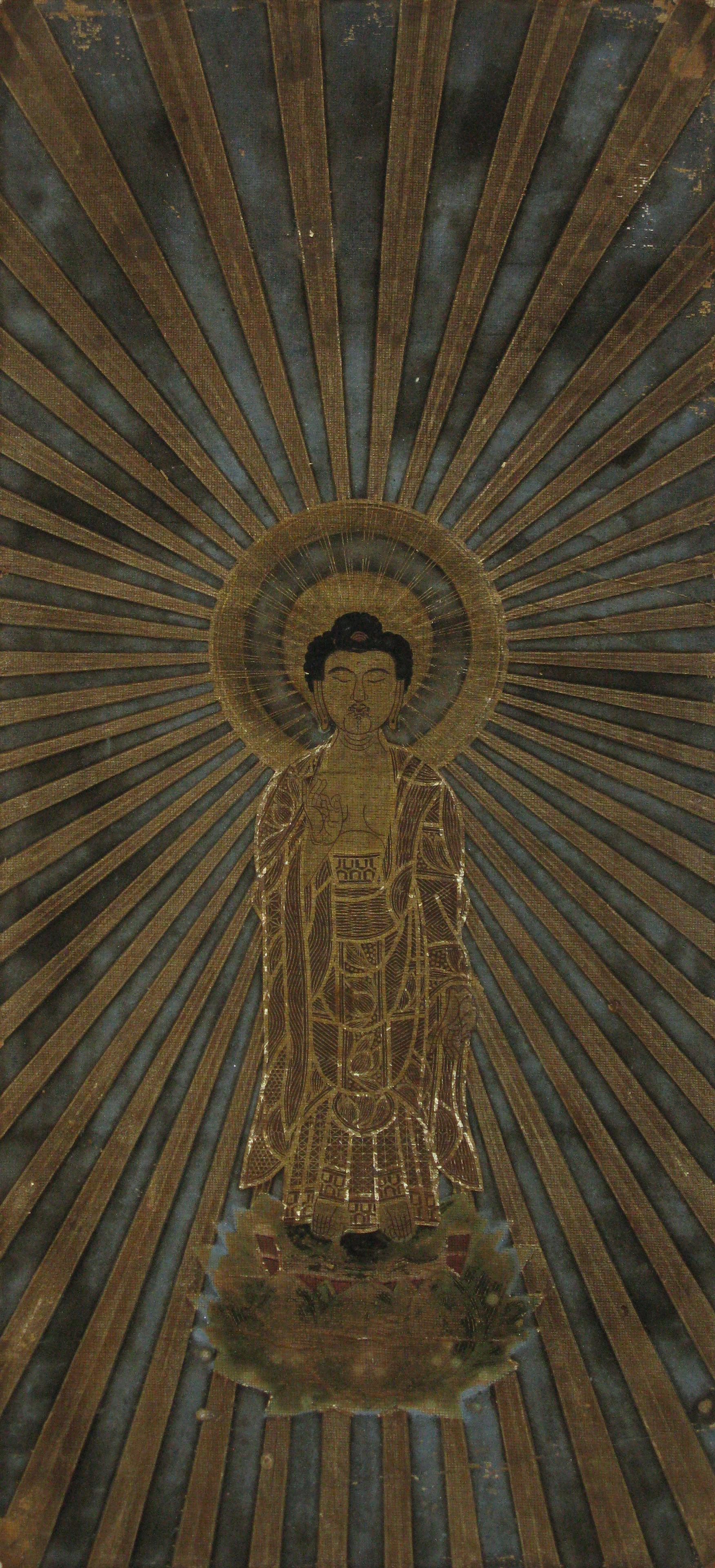
Amida Manifesting in the Dharma-body of Expedient Means
Japan · 18th century
Amida Manifesting in the Dharma-body of Expedient Means - Japan - 18th century. Ink, color, and cut silver on silk. From the collection of The Metropolitan Museum of Art (Open Access, CC0).
Source · The Metropolitan Museum of Art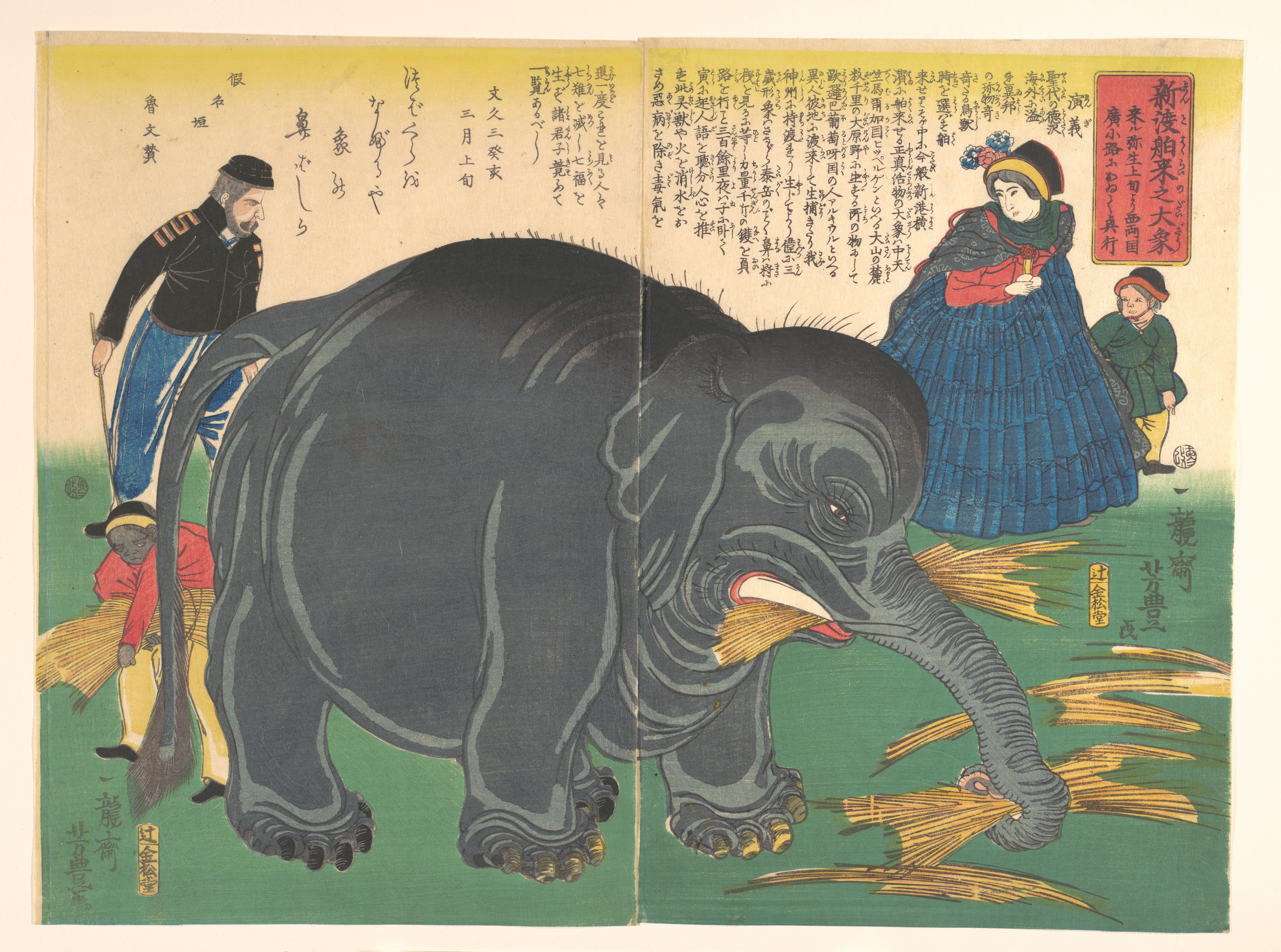
A Large Elephant Recently Imported from Overseas (Shinto hakurai no daizō)
Japan · 1863
A Large Elephant Recently Imported from Overseas (Shinto hakurai no daizō) - Japan - 1863. Diptych of woodblock prints (nishiki-e); ink and color on paper. From the collection of The Metropolitan Museum of Art (Open Access, CC0).
Source · The Metropolitan Museum of Art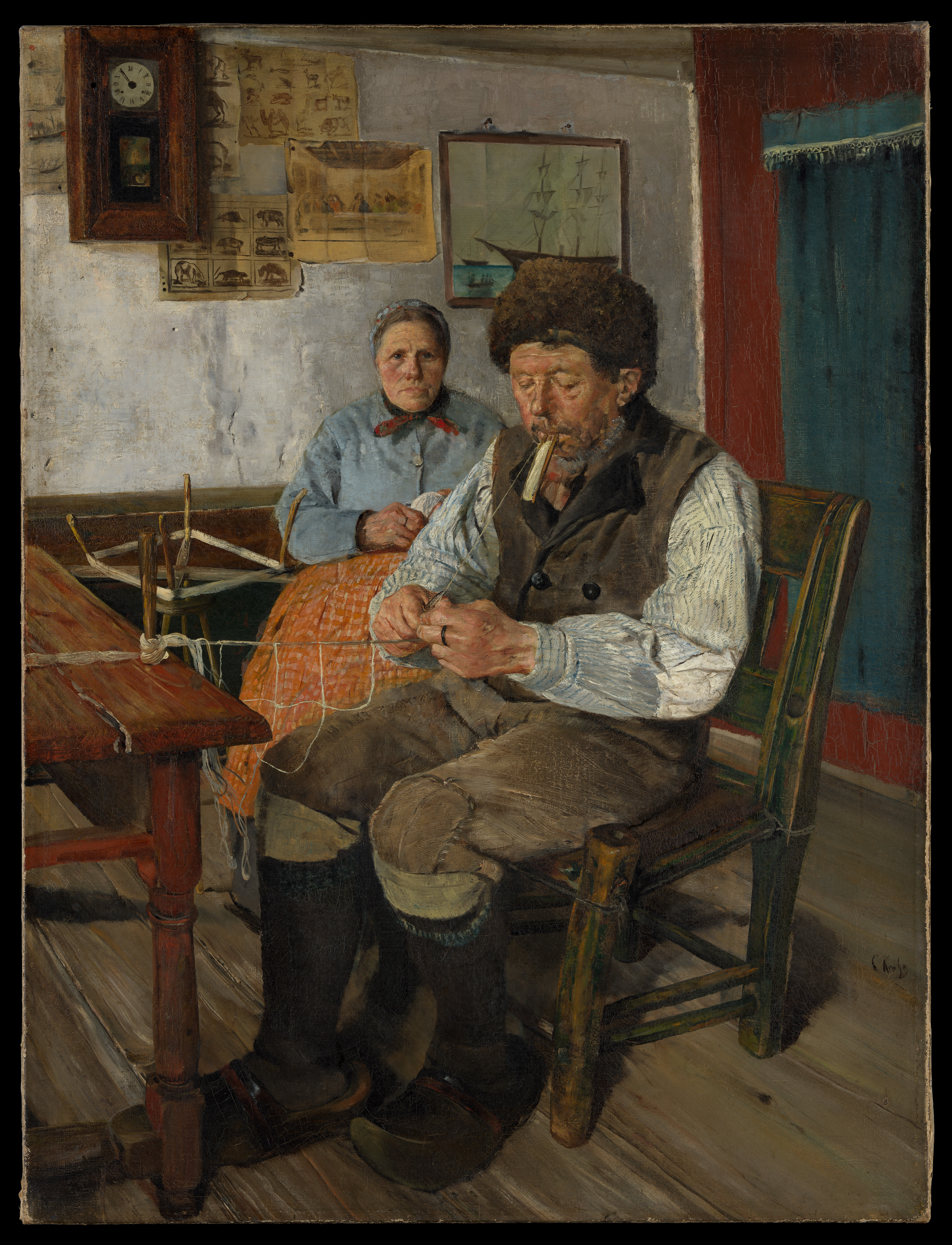
The Net Mender (Garnbinderen)
1879
The Net Mender (Garnbinderen) - 1879. Oil on canvas. From the collection of The Metropolitan Museum of Art (Open Access, CC0).
Source · The Metropolitan Museum of Art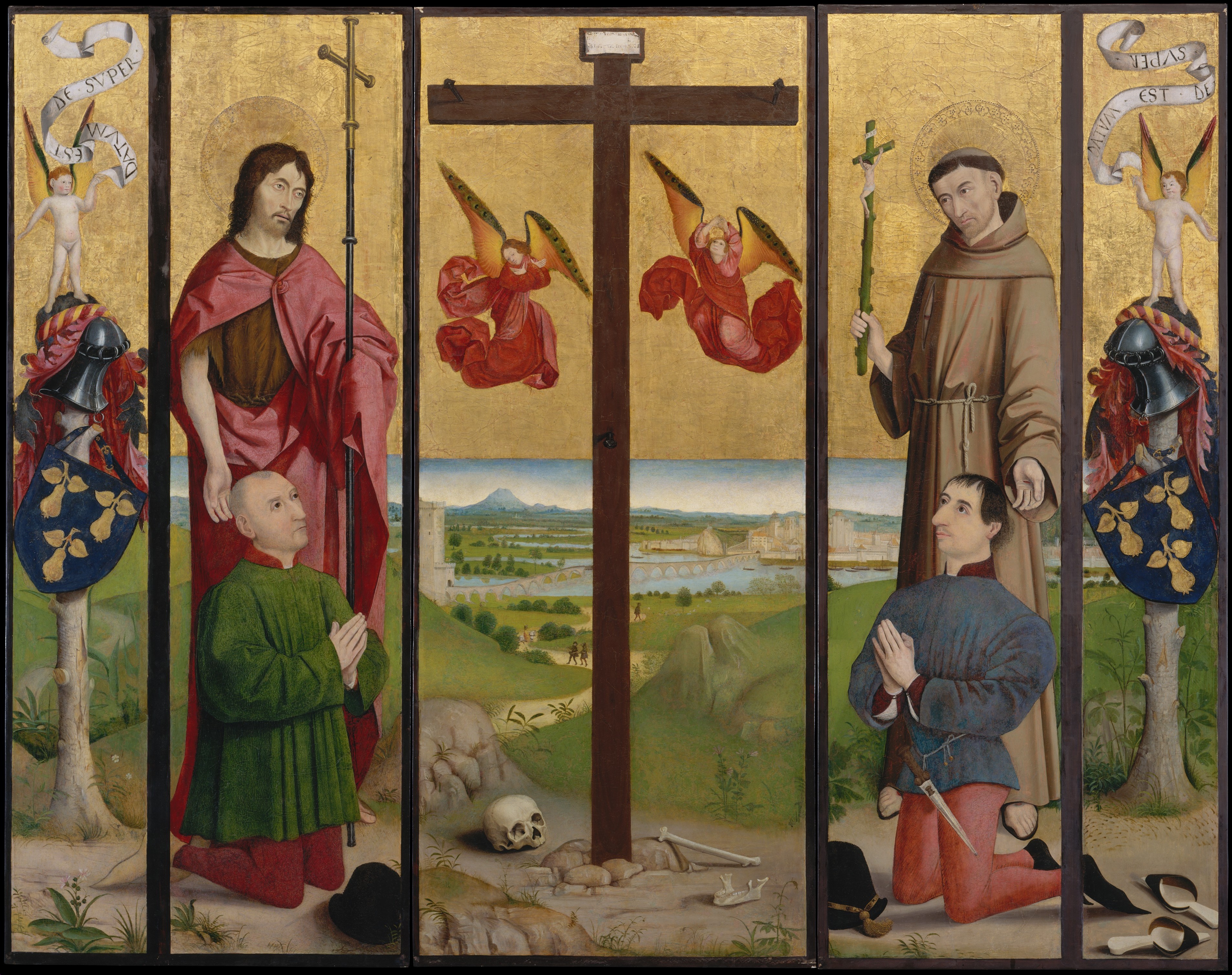
The Pérussis Altarpiece
1480
The Pérussis Altarpiece - 1480. Oil and gold on wood. From the collection of The Metropolitan Museum of Art (Open Access, CC0).
Source · The Metropolitan Museum of Art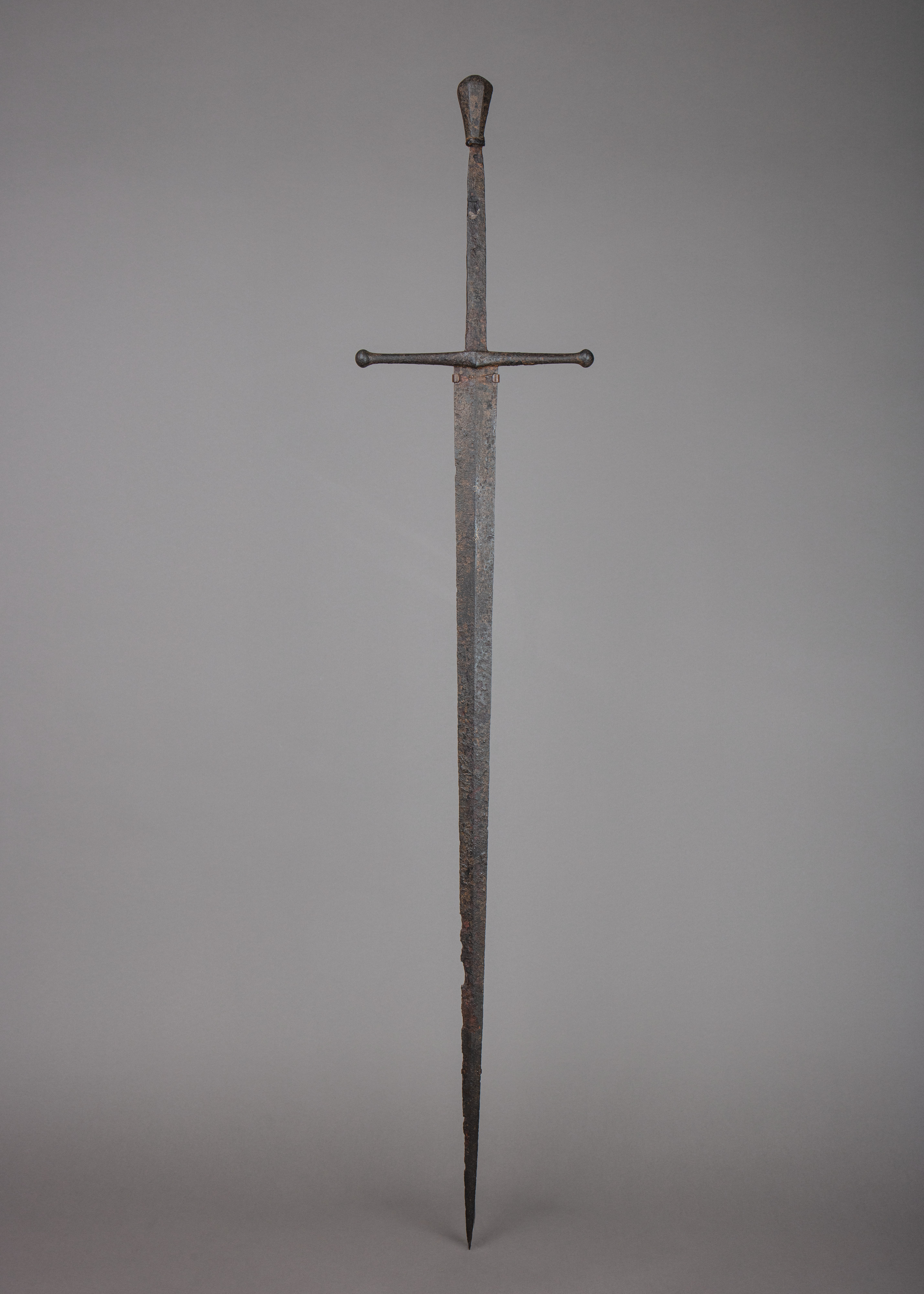
Two-Handed Sword
British or Western European · ca. 1400–1450
Two-Handed Sword - British or Western European - ca. 1400–1450. Steel, latten or copper alloy. From the collection of The Metropolitan Museum of Art (Open Access, CC0).
Source · The Metropolitan Museum of Art
"Kai Kavus Attempts to Fly to Heaven", Folio from a Shahnama (Book of Kings)
India · mid-15th century
"Kai Kavus Attempts to Fly to Heaven", Folio from a Shahnama (Book of Kings) - mid-15th century. Image: Ink, opaque watercolor, and gold on paper Margins: Ink and gold on dyed paper. From the collection of The Metropolitan Museum of Art (Open Access, CC0).
Source · The Metropolitan Museum of Art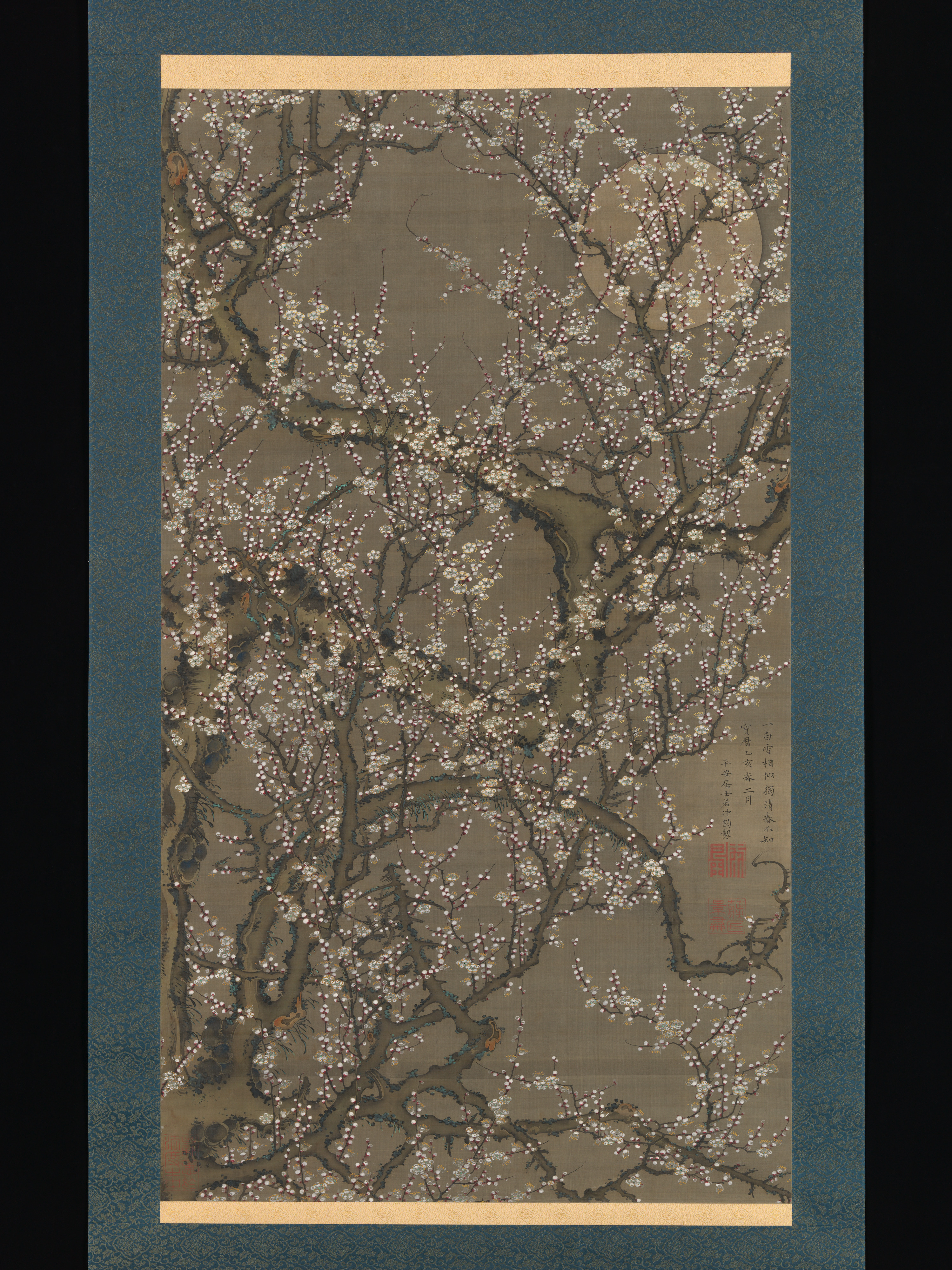
White Plum Blossoms and Moon
Japan · 1755
White Plum Blossoms and Moon - Japan - 1755. Hanging scroll; ink and color on silk. From the collection of The Metropolitan Museum of Art (Open Access, CC0).
Source · The Metropolitan Museum of Art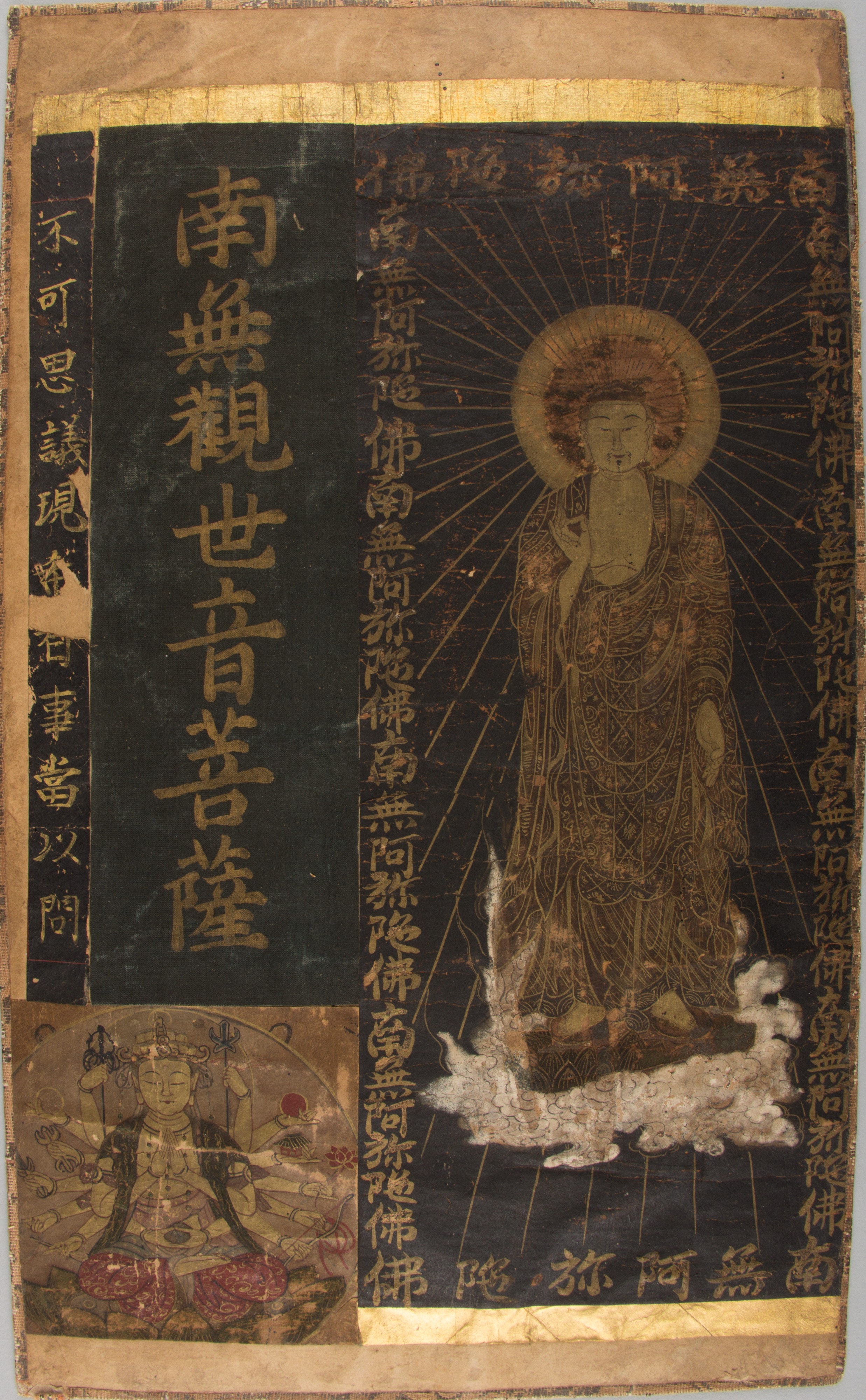
Page of a Pilgrim’s Visiting Album
Japan · late 18th–19th century
Page of a Pilgrim’s Visiting Album - Japan - late 18th–19th century. Album page; ink, color, and gold on paper, textile cover. From the collection of The Metropolitan Museum of Art (Open Access, CC0).
Source · The Metropolitan Museum of Art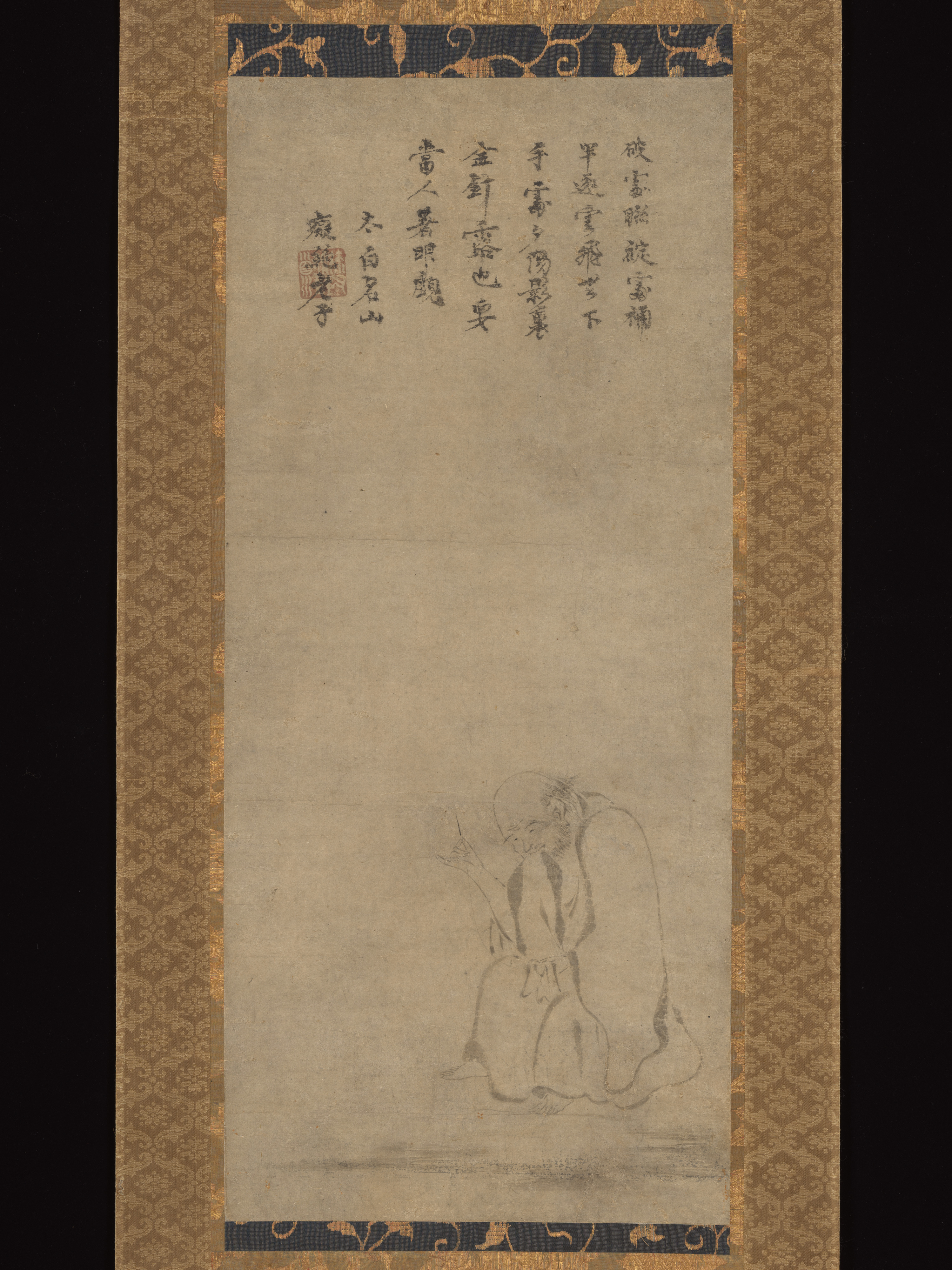
Mending clothes by daylight
China · calligraphy datable to 1240s
Mending clothes by daylight - China - calligraphy datable to 1240s. Hanging scroll; ink on paper. From the collection of The Metropolitan Museum of Art (Open Access, CC0).
Source · The Metropolitan Museum of Art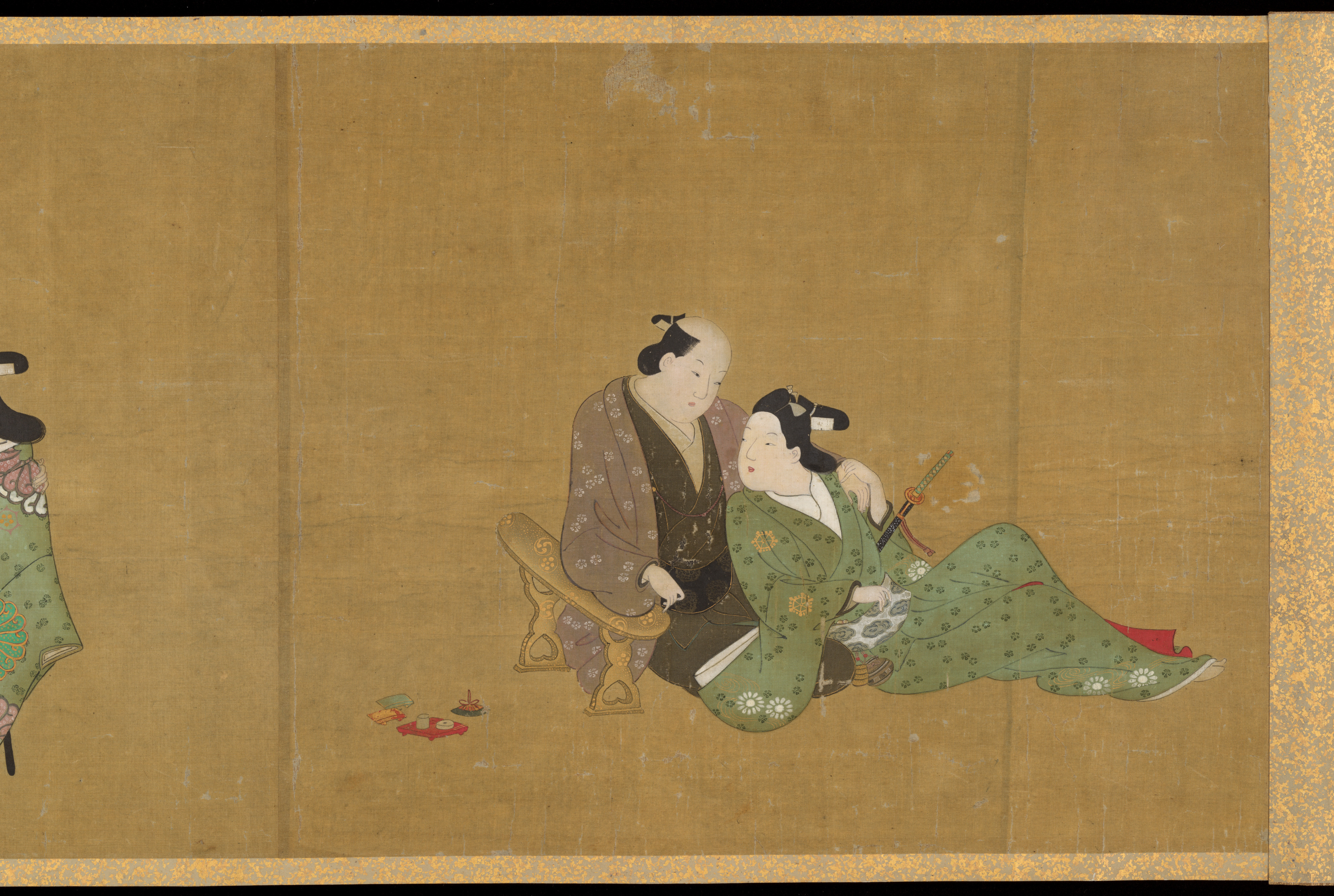
Handscroll of Ten Homoerotic (Nanshoku) Scenes
Japan · early 18th century
Handscroll of Ten Homoerotic (Nanshoku) Scenes - Japan - early 18th century. Handscroll; ink and colors on silk. From the collection of The Metropolitan Museum of Art (Open Access, CC0).
Source · The Metropolitan Museum of Art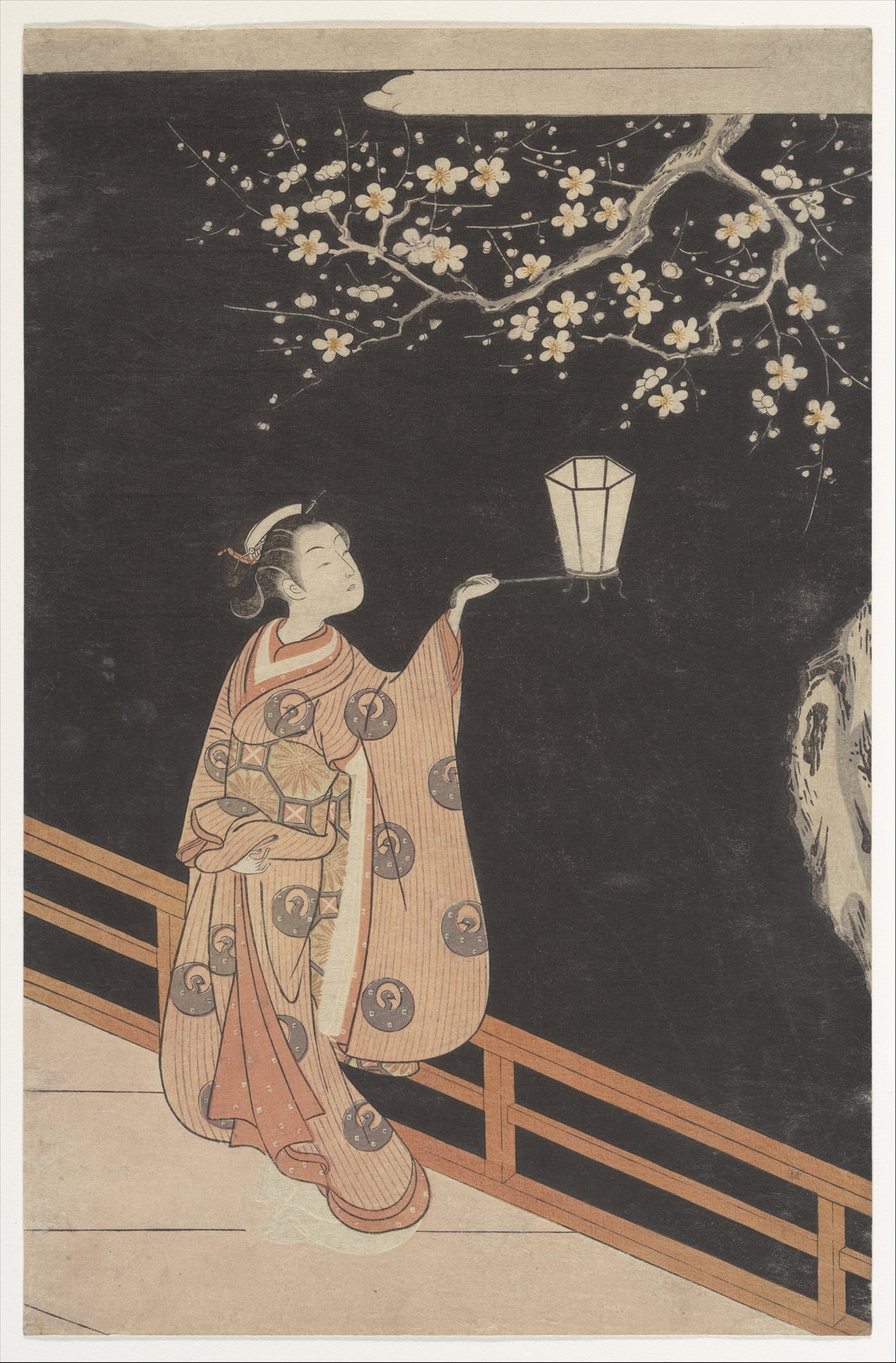
Woman Admiring Plum Blossoms at Night
Japan · ca. 1766
Woman Admiring Plum Blossoms at Night - Japan - ca. 1766. Woodblock print (nishiki-e) with embossing (karazuri); ink and color on paper. From the collection of The Metropolitan Museum of Art (Open Access, CC0).
Source · The Metropolitan Museum of Art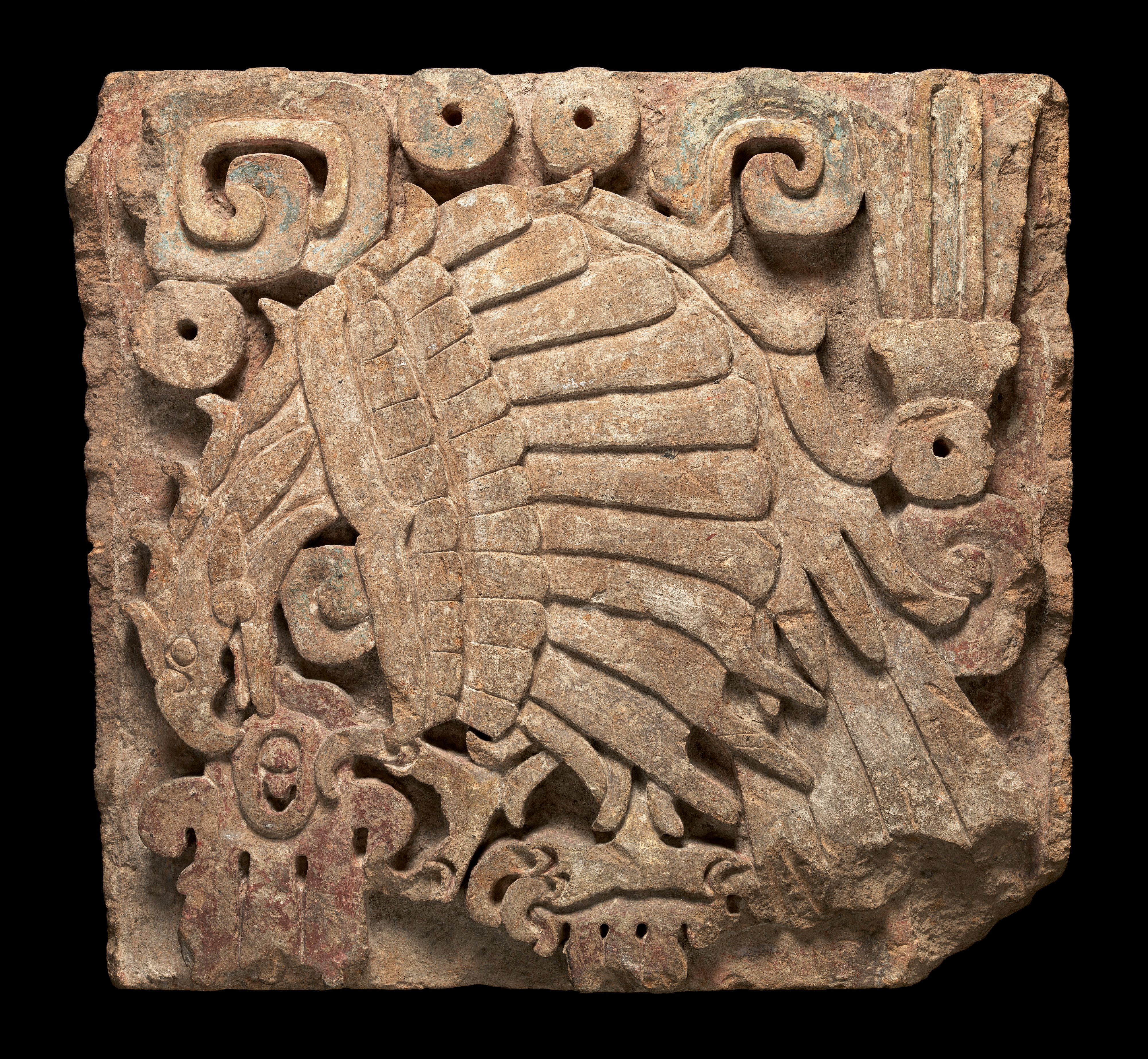
Eagle relief
Mexico · 900–1200 CE
Eagle relief - Toltec - 900–1200 CE. Andesite or dacite, Maya blue, stucco, red pigment. From the collection of The Metropolitan Museum of Art (Open Access, CC0).
Source · The Metropolitan Museum of Art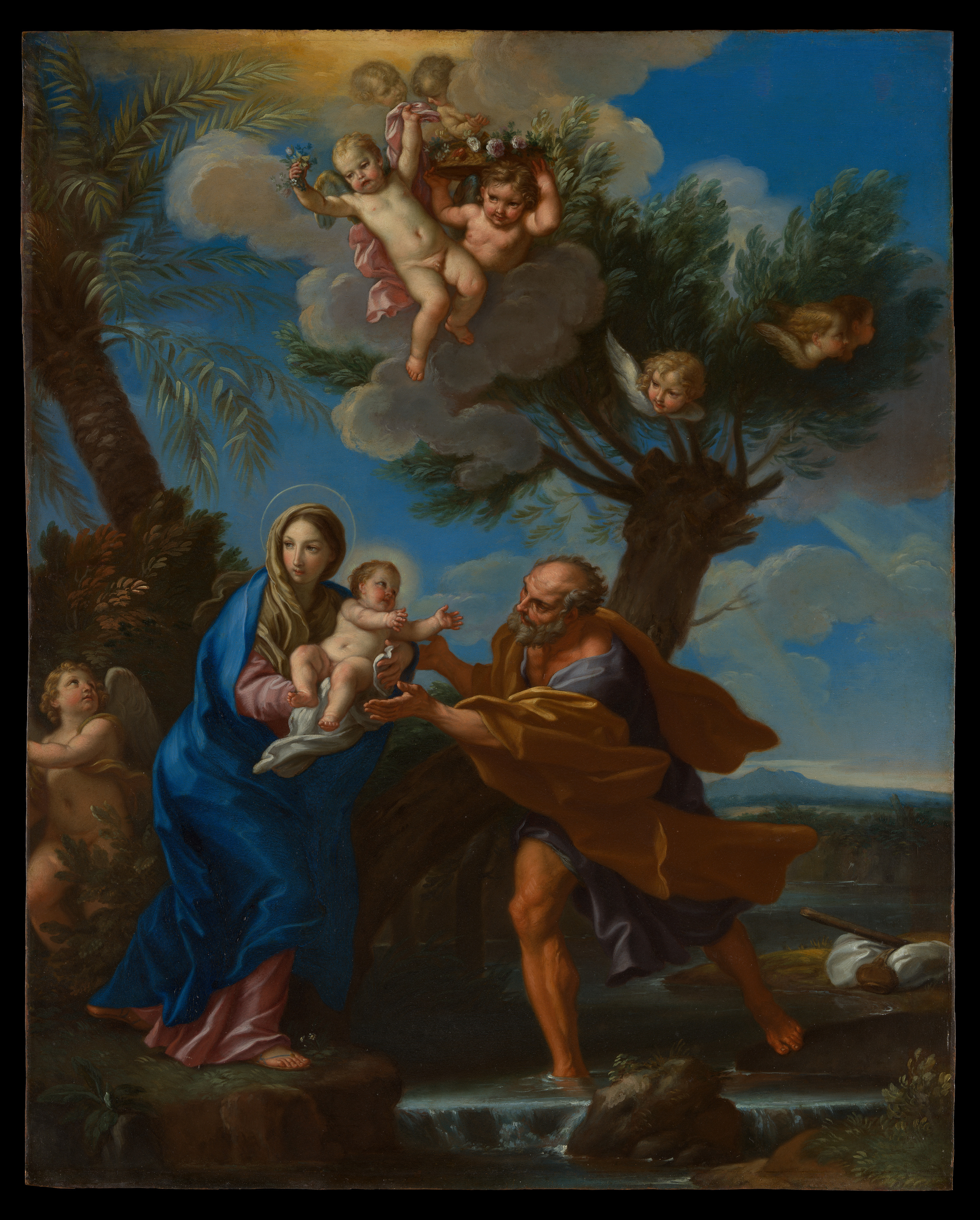
The Flight into Egypt
ca. 1664
The Flight into Egypt - ca. 1664. Oil on copper. From the collection of The Metropolitan Museum of Art (Open Access, CC0).
Source · The Metropolitan Museum of Art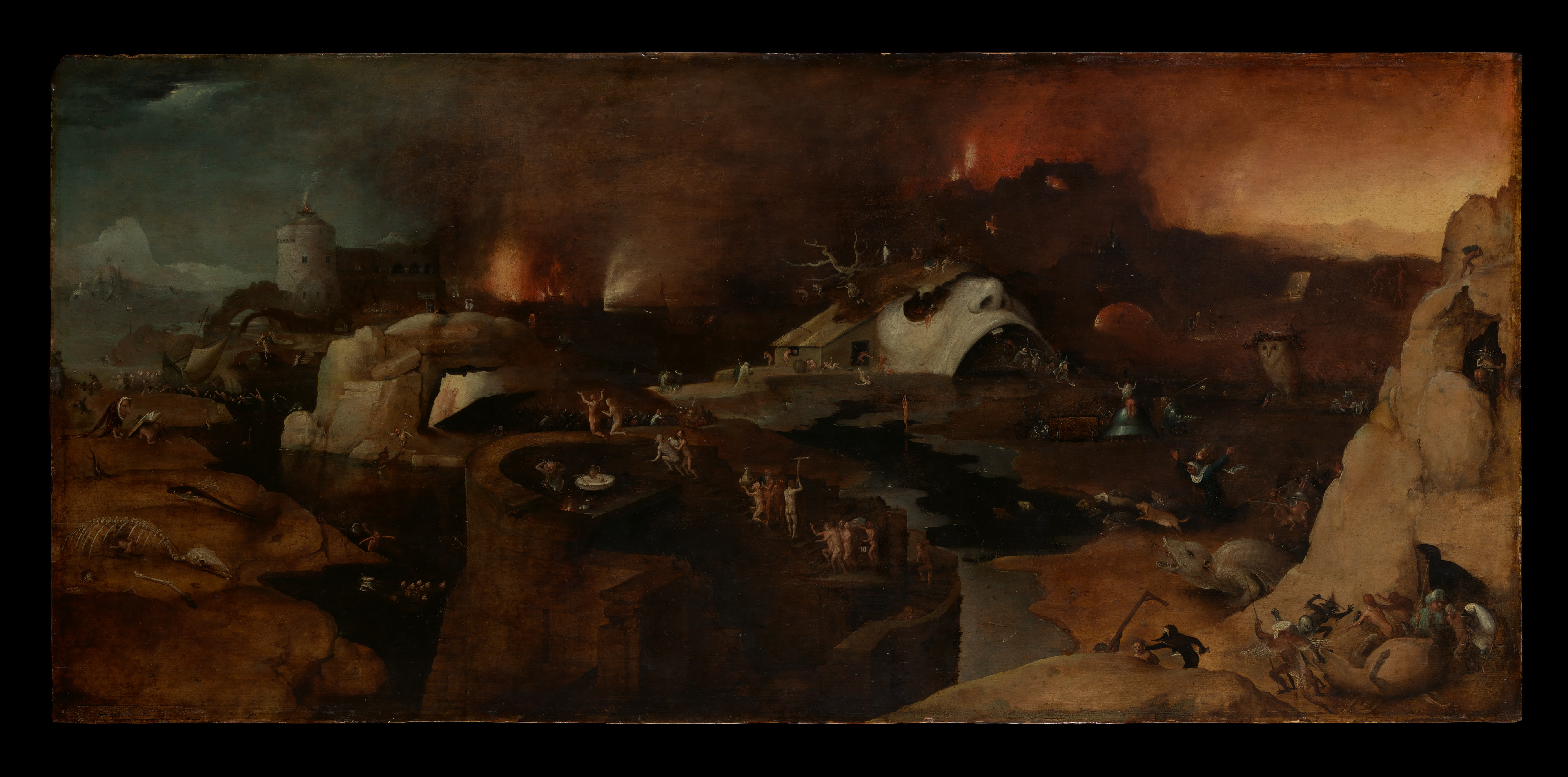
Christ's Descent into Hell
Christ's Descent into Hell. Oil on wood. From the collection of The Metropolitan Museum of Art (Open Access, CC0).
Source · The Metropolitan Museum of Art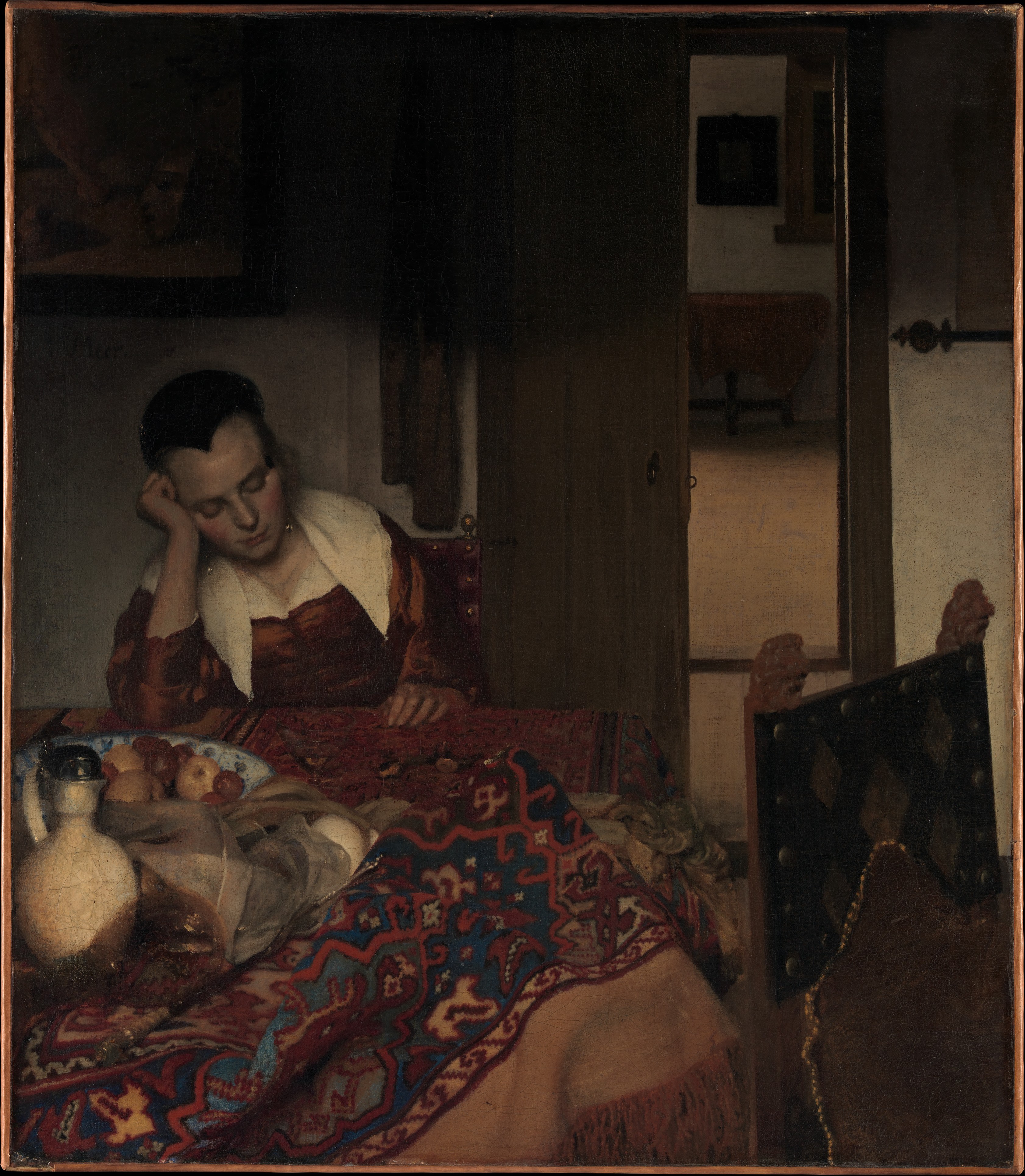
A Maid Asleep
ca. 1656–57
A Maid Asleep - ca. 1656–57. Oil on canvas. From the collection of The Metropolitan Museum of Art (Open Access, CC0).
Source · The Metropolitan Museum of Art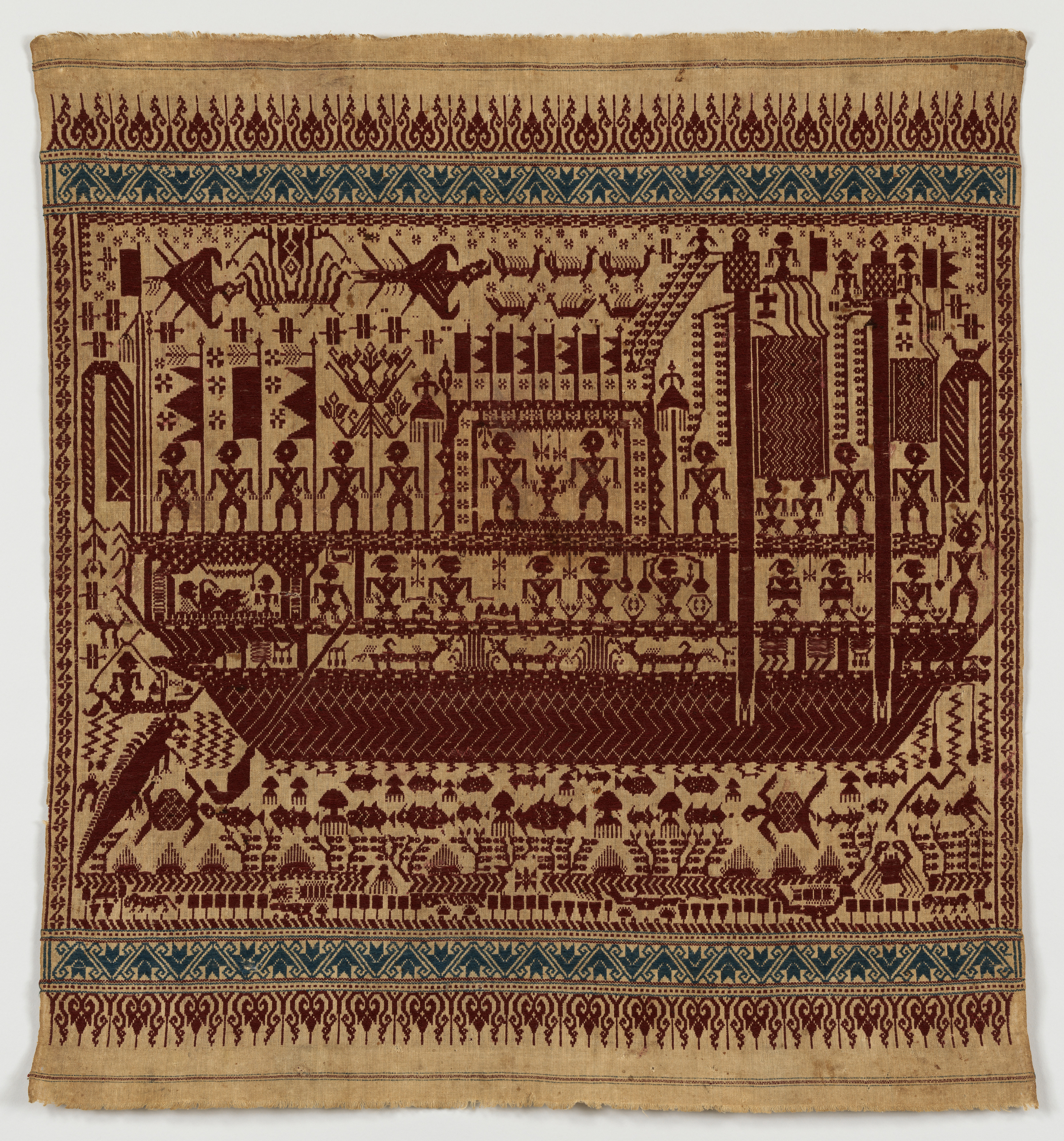
Ceremonial Textile (Tampan)
Indonesia · 19th century
Ceremonial Textile (Tampan) - Lampung - 19th century. Cotton. From the collection of The Metropolitan Museum of Art (Open Access, CC0).
Source · The Metropolitan Museum of Art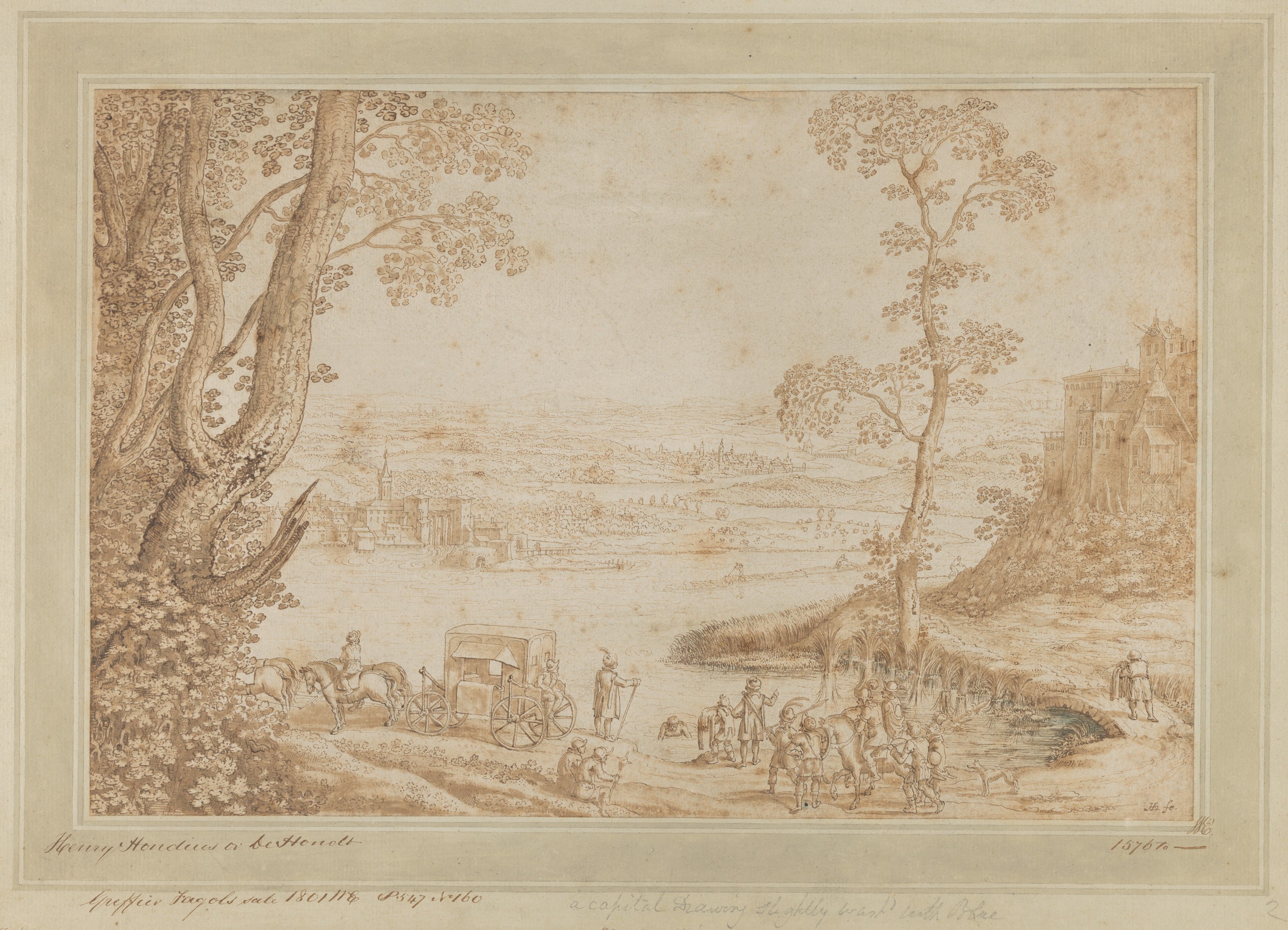
A River Landscape with the Baptism of the Eunuch
ca. 1605–25
A River Landscape with the Baptism of the Eunuch - ca. 1605–25. Pen and brown ink, brown and blue wash. From the collection of The Metropolitan Museum of Art (Open Access, CC0).
Source · The Metropolitan Museum of Art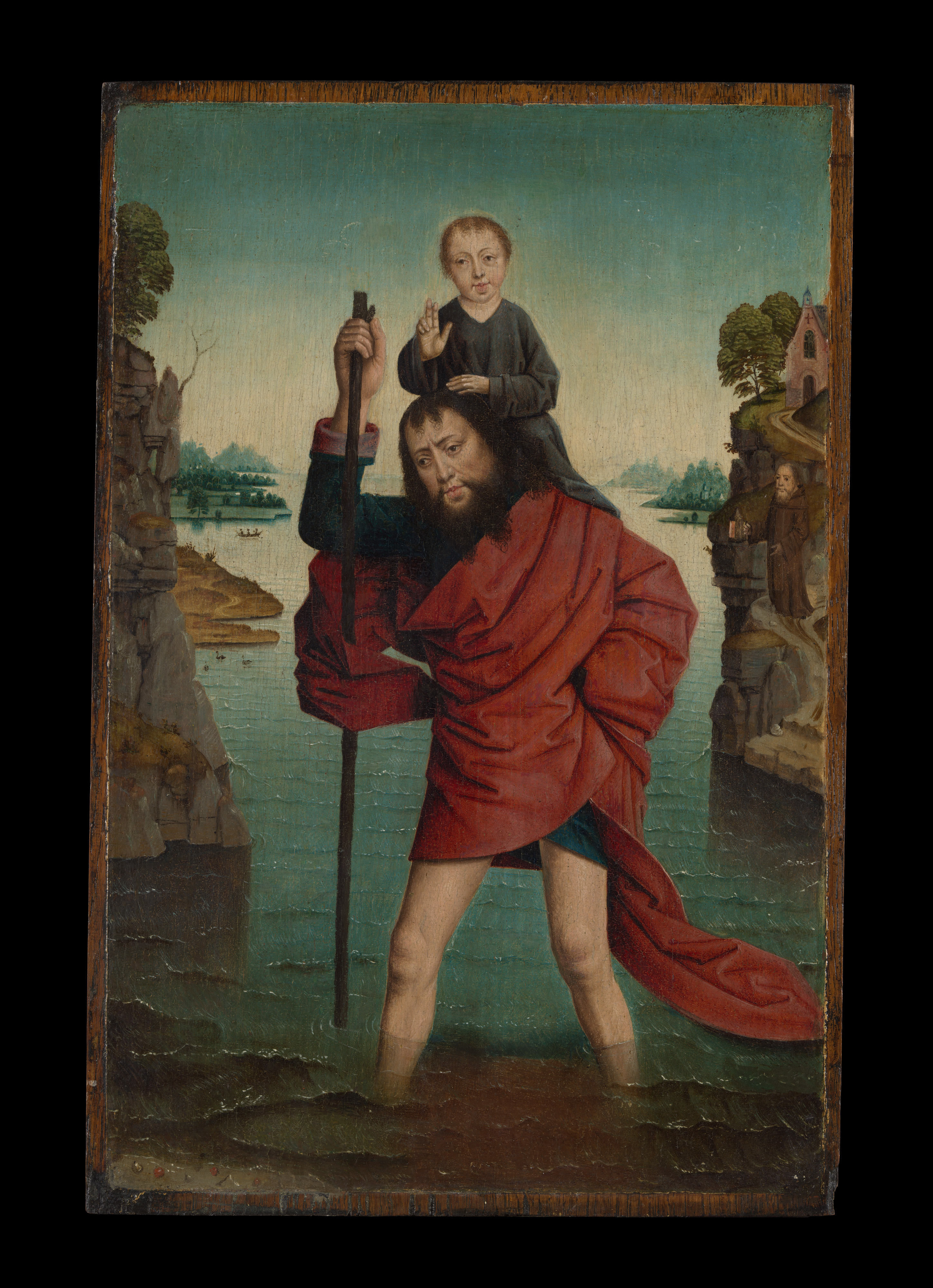
Saint Christopher and the Infant Christ
After 1485
Saint Christopher and the Infant Christ - After 1485. Oil on oak panel. From the collection of The Metropolitan Museum of Art (Open Access, CC0).
Source · The Metropolitan Museum of Art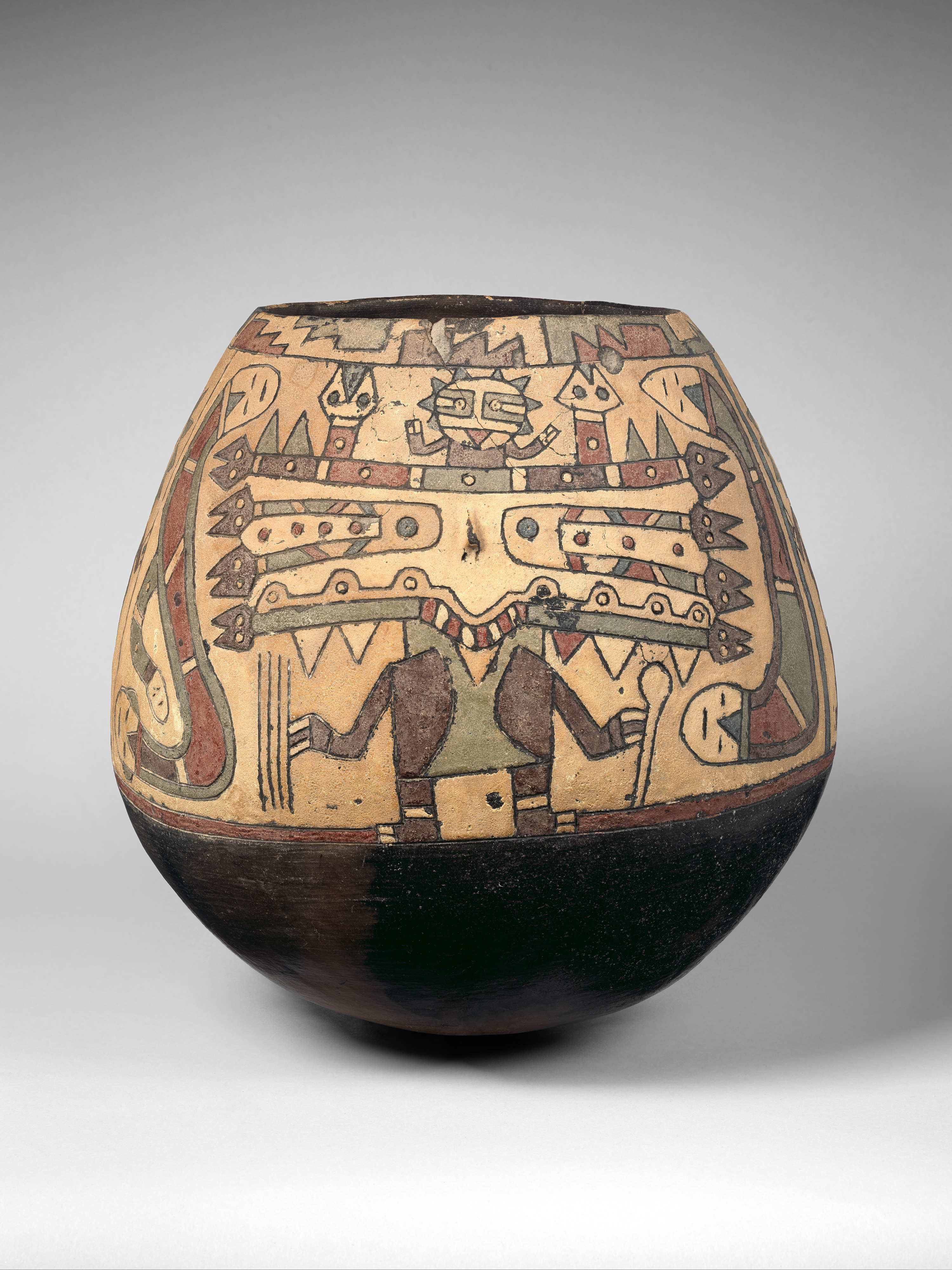
Neckless jar with complex scene
Peru · 350 BCE–60 CE
Neckless jar with complex scene - Paracas - 350 BCE–60 CE. Ceramic, post-fire paint. From the collection of The Metropolitan Museum of Art (Open Access, CC0).
Source · The Metropolitan Museum of Art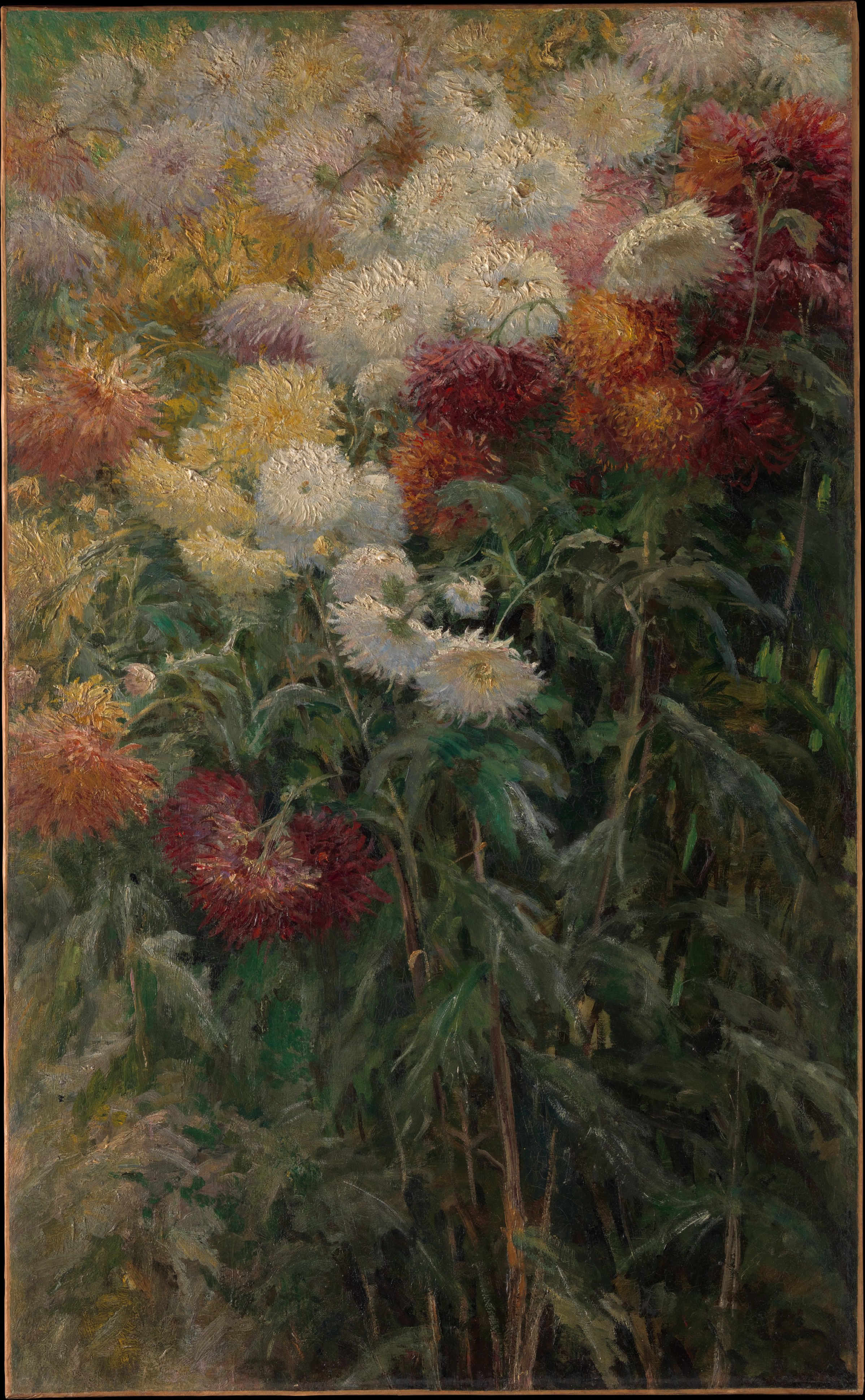
Chrysanthemums in the Garden at Petit-Gennevilliers
1893
Chrysanthemums in the Garden at Petit-Gennevilliers - 1893. Oil on canvas. From the collection of The Metropolitan Museum of Art (Open Access, CC0).
Source · The Metropolitan Museum of Art
Furniture or cosmetic box plaque carved in the round with striding bull
Assyrian · ca. 8th–7th century BCE
Furniture or cosmetic box plaque carved in the round with striding bull - Assyrian - ca. 8th–7th century BCE. Ivory, gold foil. From the collection of The Metropolitan Museum of Art (Open Access, CC0).
Source · The Metropolitan Museum of Art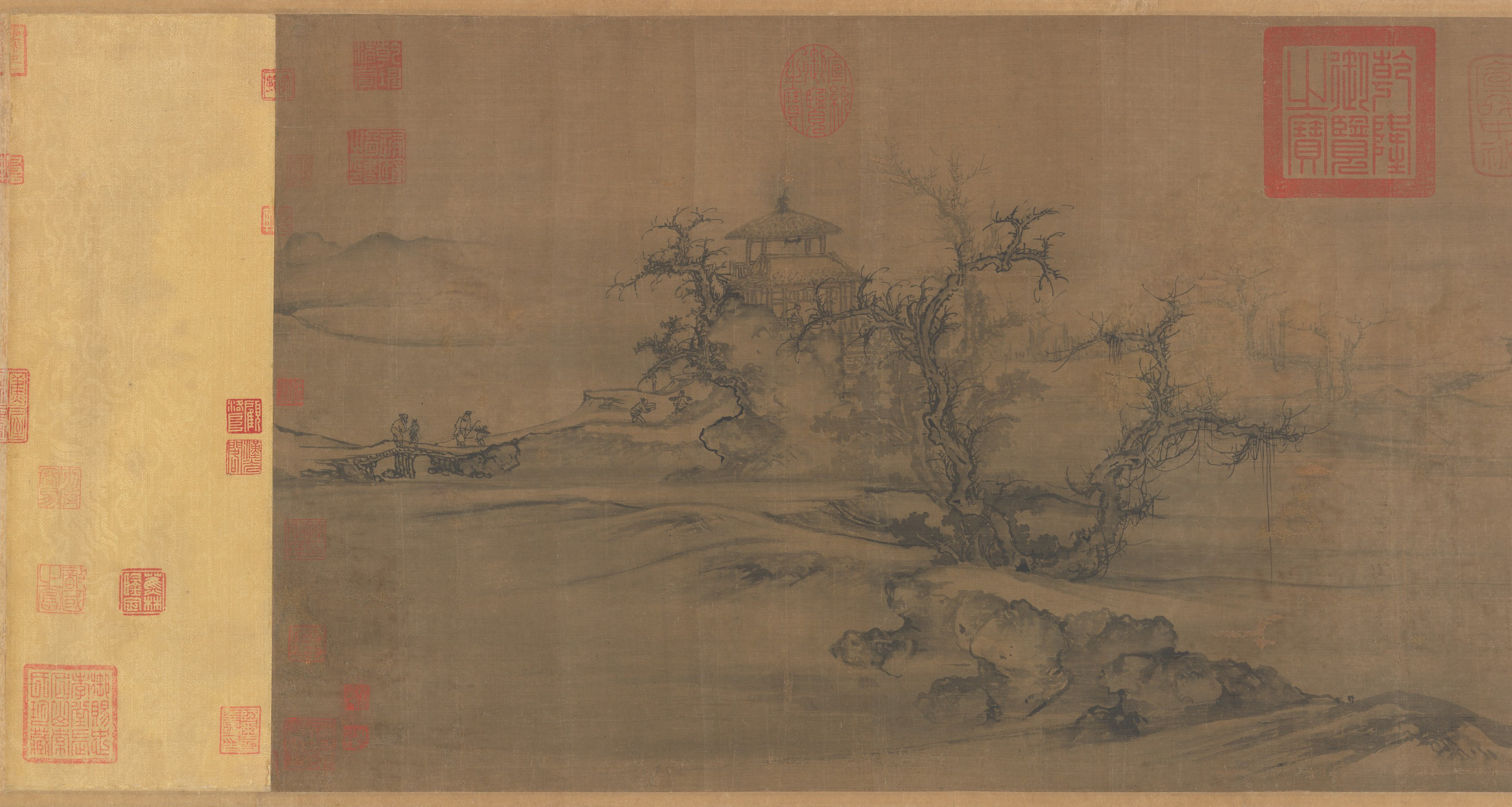
Old Trees, Level Distance
China · ca. 1080
Old Trees, Level Distance - China - ca. 1080. Handscroll; ink and color on silk. From the collection of The Metropolitan Museum of Art (Open Access, CC0).
Source · The Metropolitan Museum of Art