
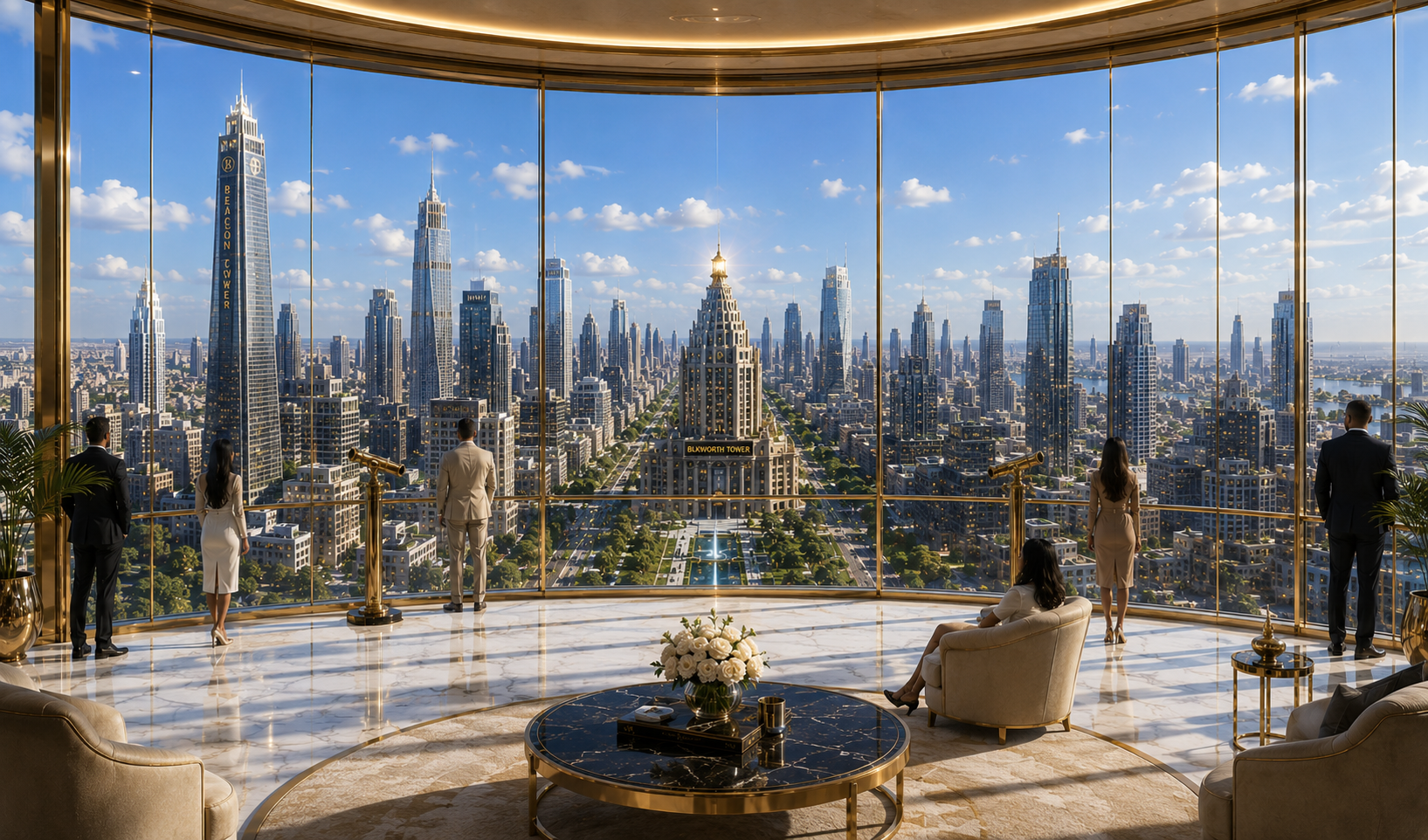
 Smithsonian National Museum of African American History and CulturePenthouse View · 2016
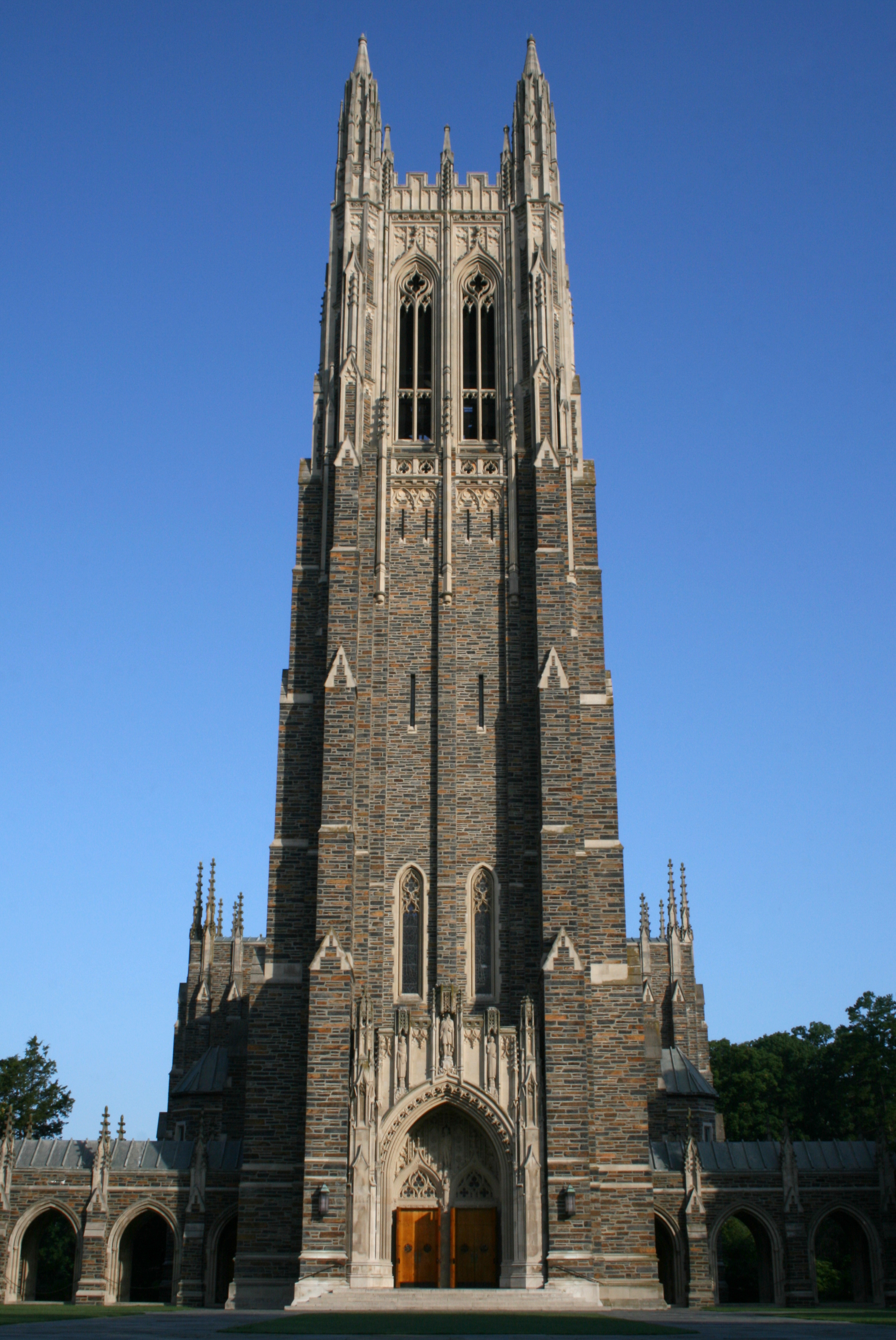 Duke University ChapelPenthouse View · 1932
 Philadelphia Museum of ArtPenthouse View · 1928
 The Studio Museum in HarlemPenthouse View · 2025
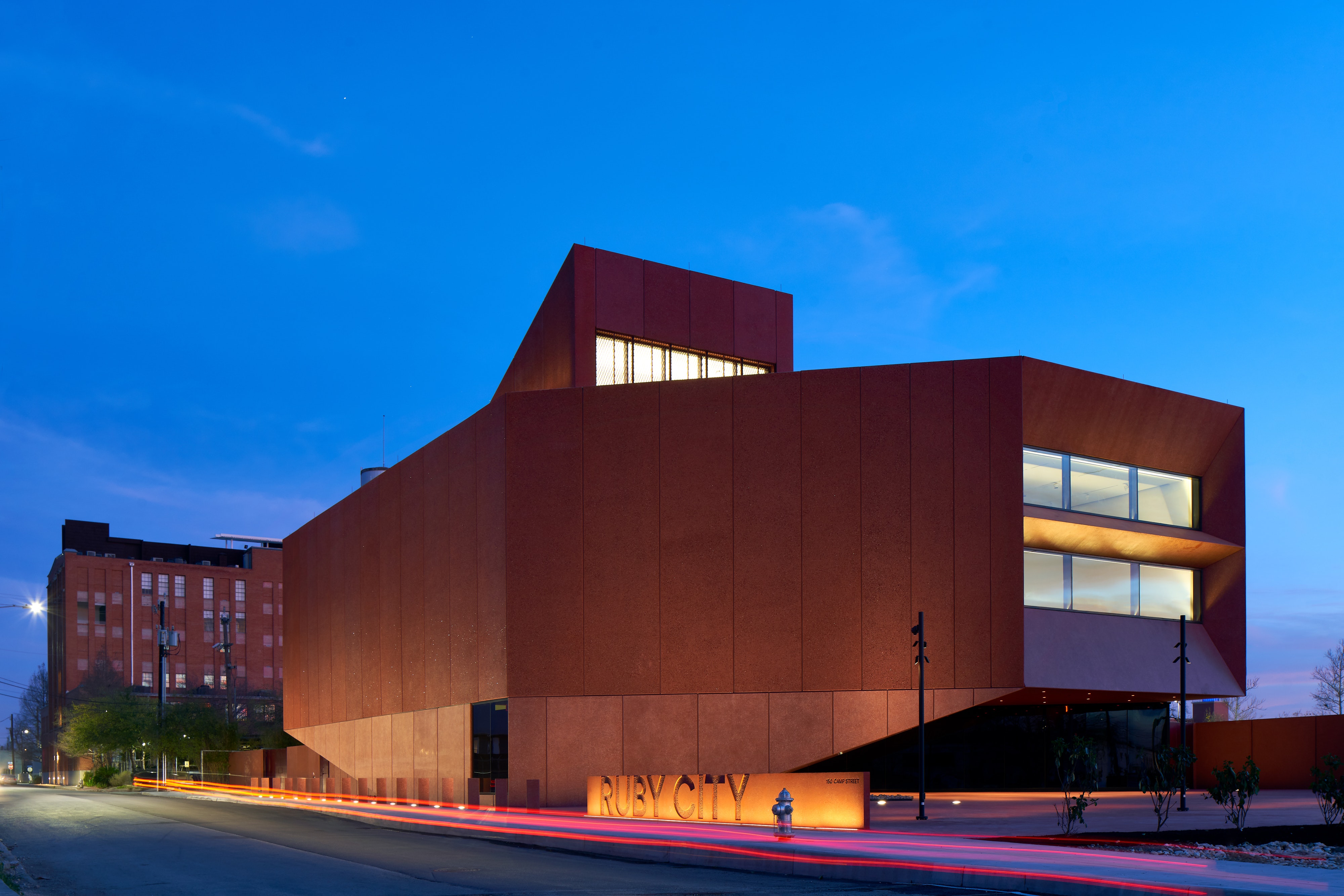 Ruby CityPenthouse View · 2019
 Pacific Design CenterPenthouse View · 1975
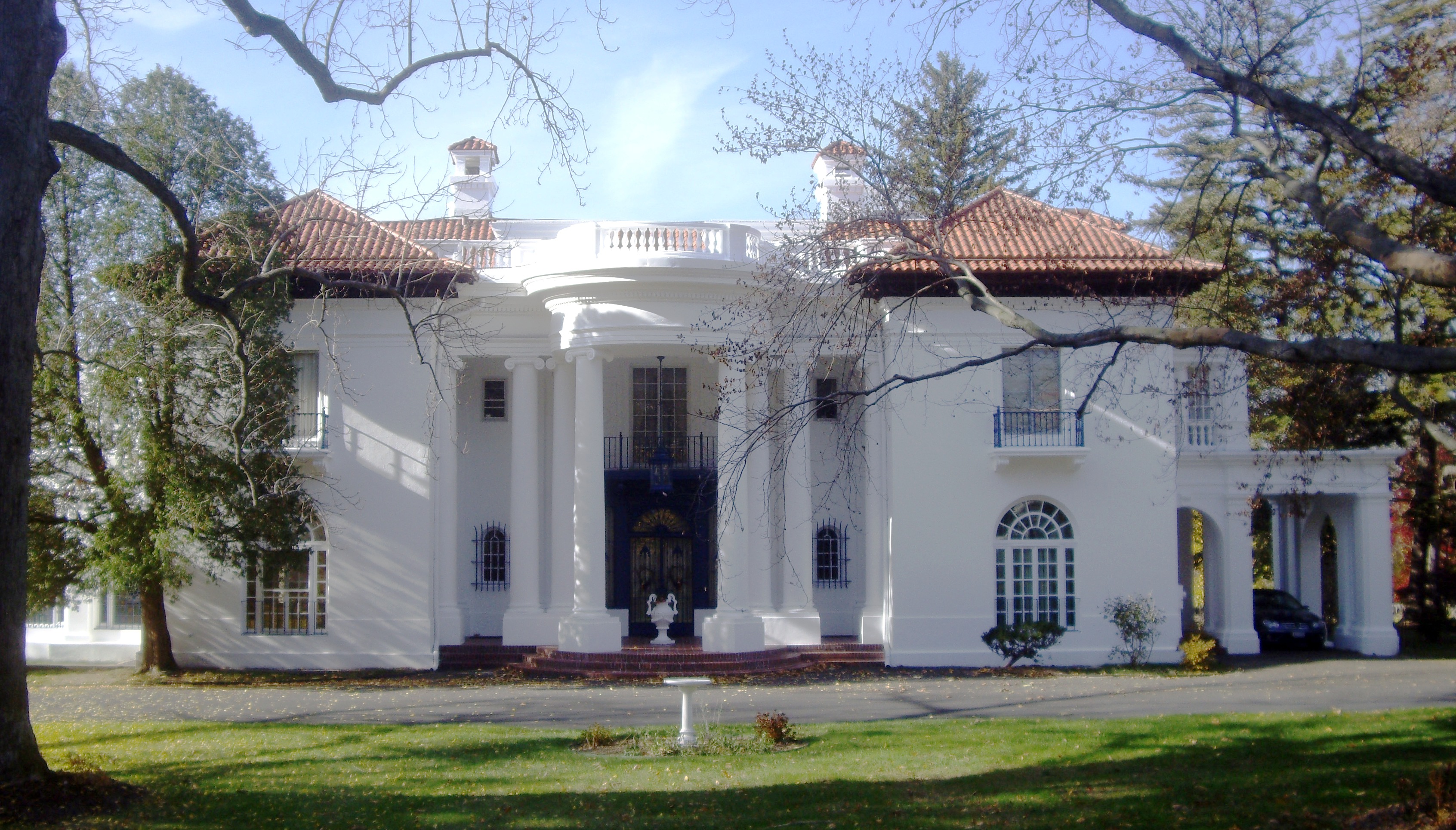 Villa LewaroPenthouse View · 1918
 Reginald F. Lewis MuseumPenthouse View · 2005
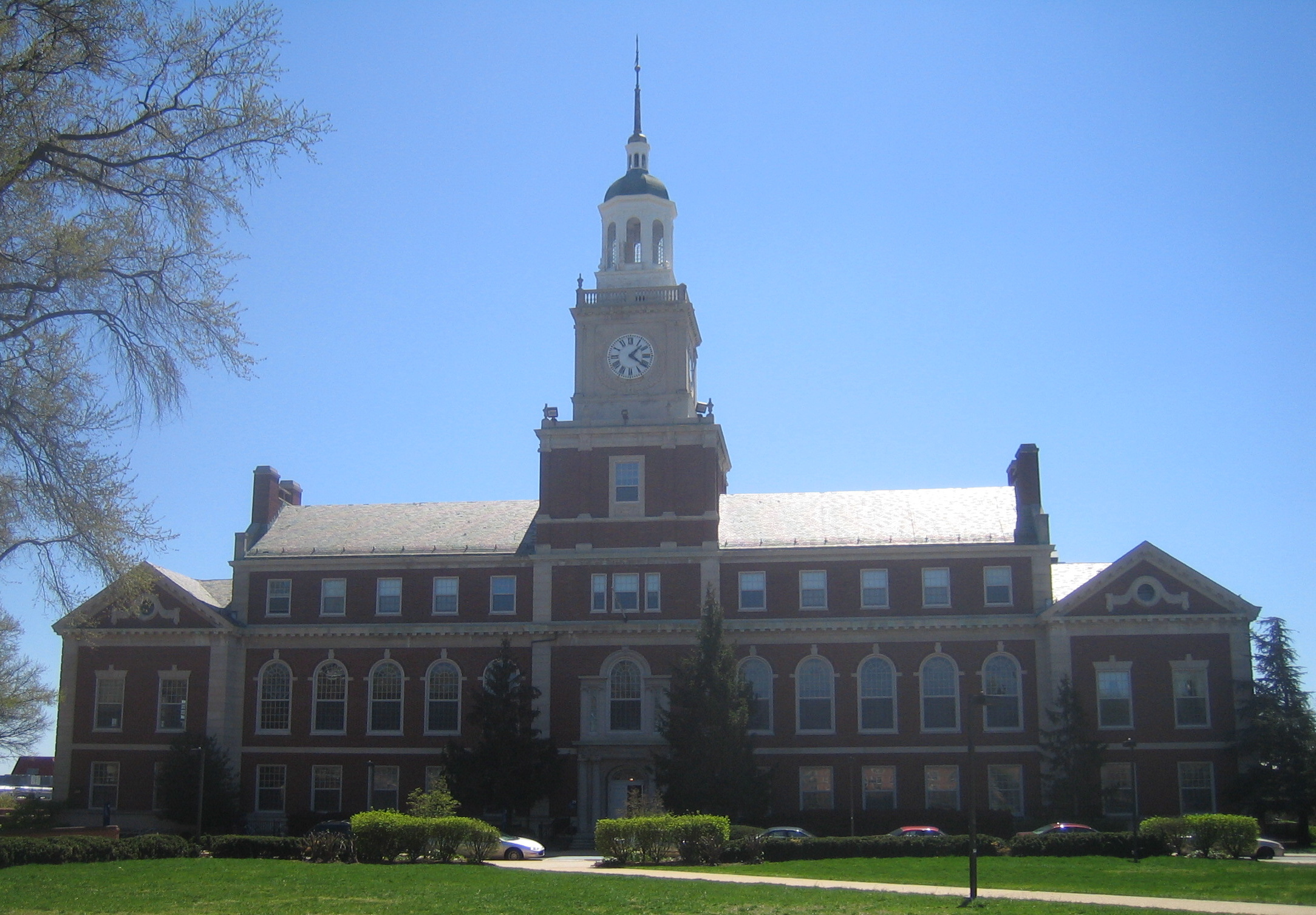 Founders Library, Howard UniversityPenthouse View · 1939
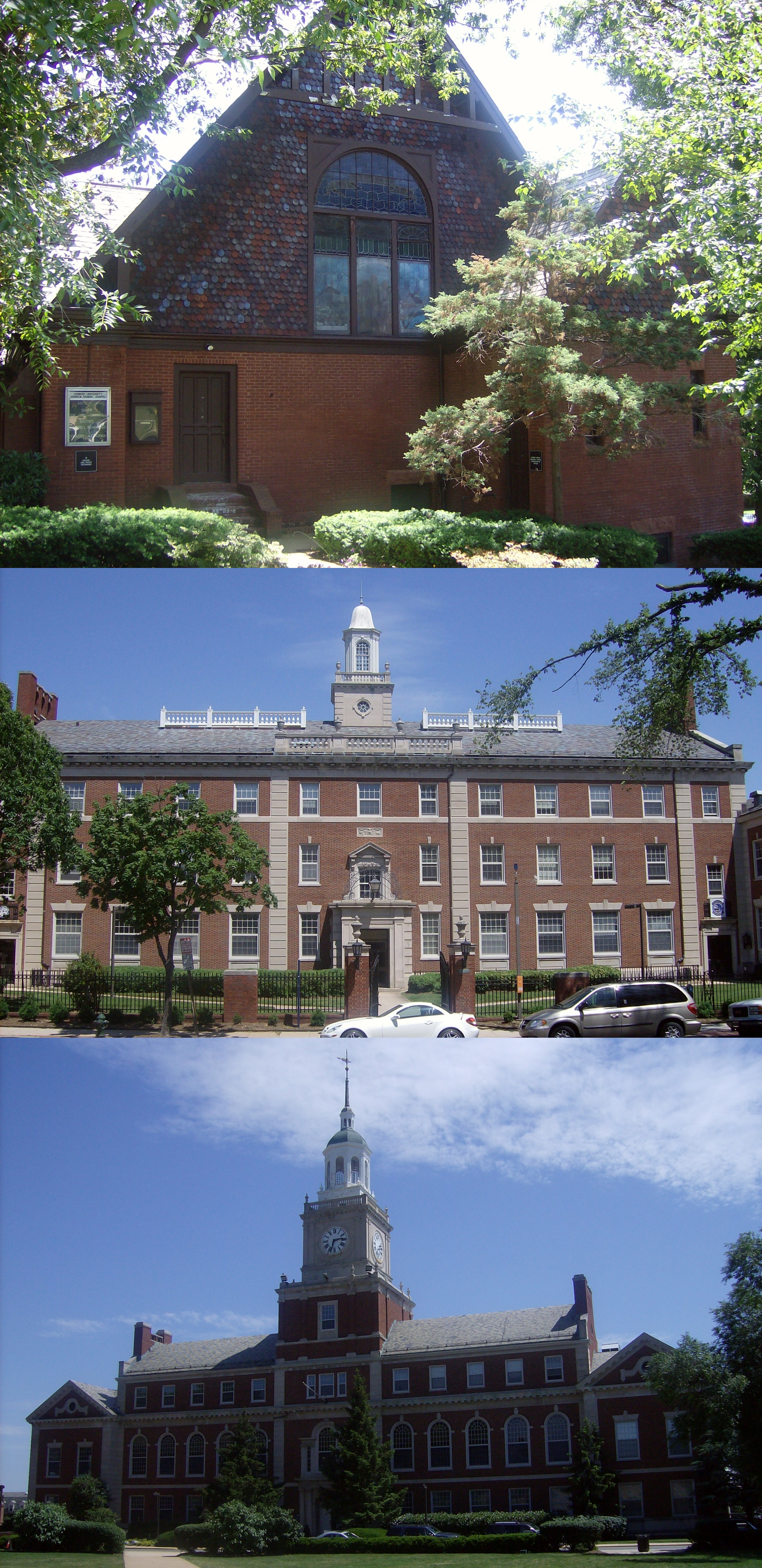 Frederick Douglass Memorial Hall, Howard UniversityPenthouse View · 1935
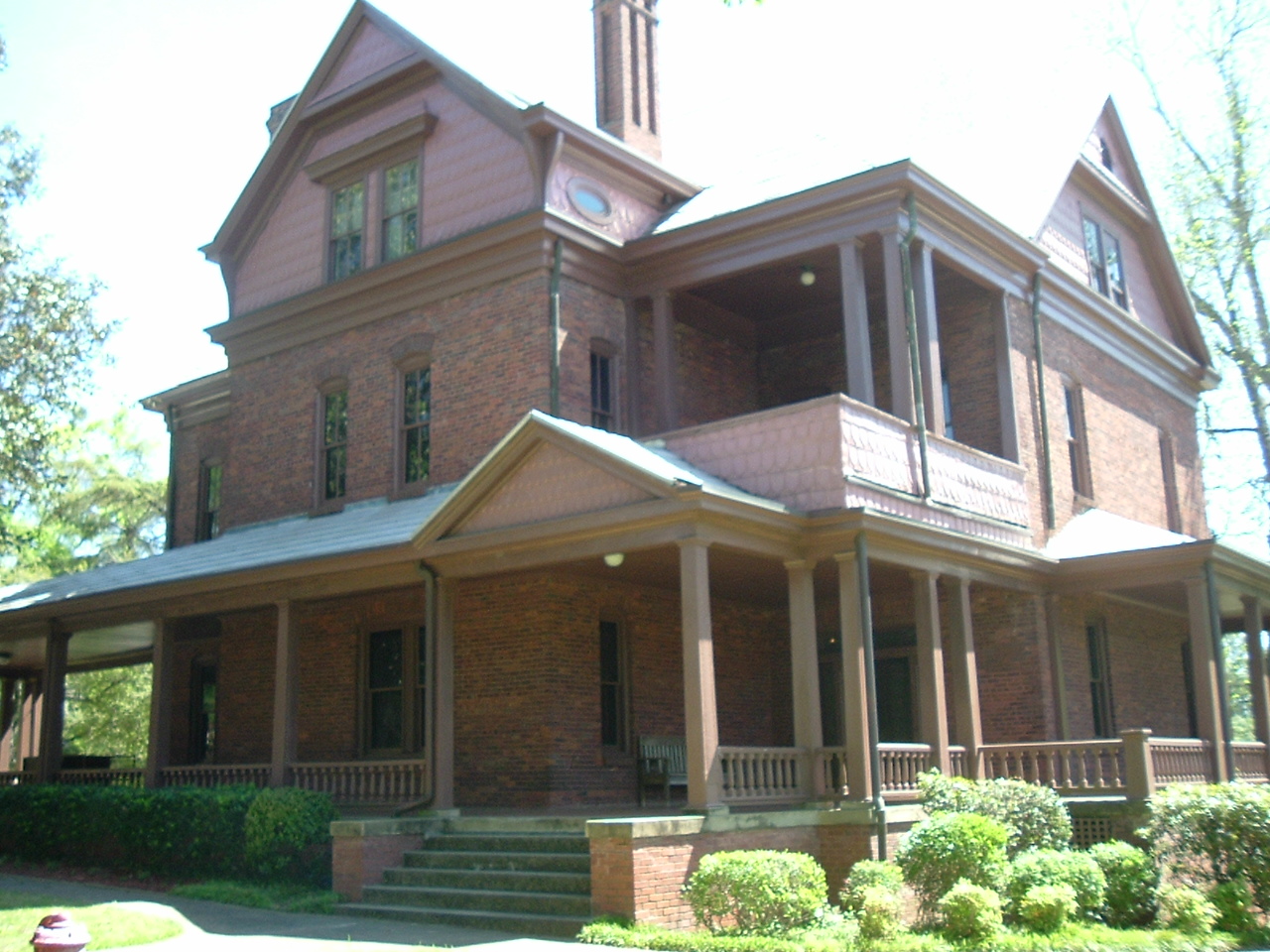 The Oaks (Booker T. Washington Home)Penthouse View · 1899
 Tuskegee University Historic CampusPenthouse View · 1900s
 Jubilee Hall, Fisk UniversityPenthouse View · 1876
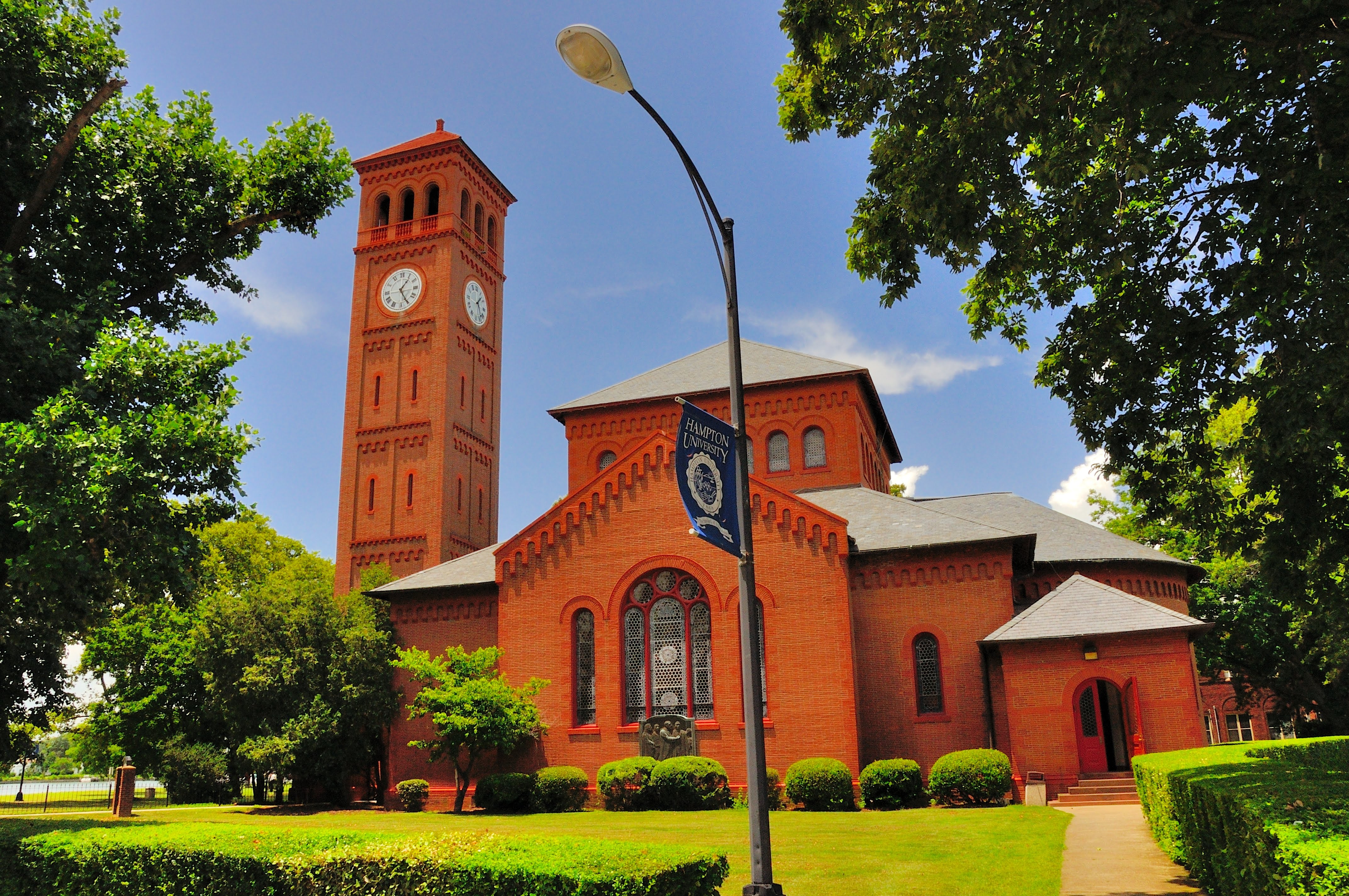 Memorial Church, Hampton UniversityPenthouse View · 1886
 Schomburg Center for Research in Black CulturePenthouse View · 1980
 August Wilson African American Cultural CenterPenthouse View · 2009
 Hector Pieterson MuseumPenthouse View · 2002
 Black Cultural ArchivesPenthouse View · 2014
 Anacostia Community MuseumPenthouse View · 1967
 Madam Walker Legacy CenterPenthouse View · 1927
 16th Street Baptist ChurchPenthouse View · 1911
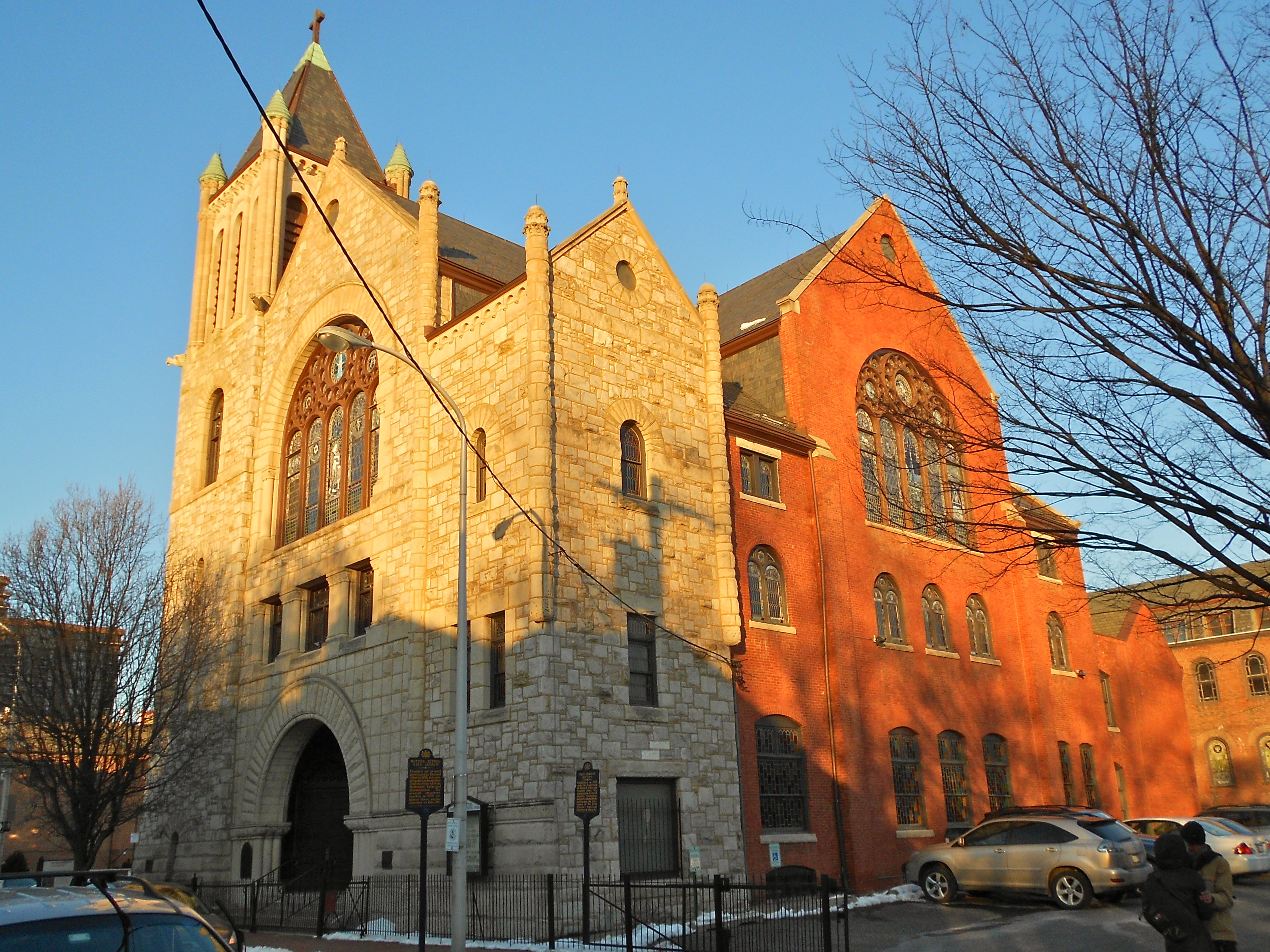 Mother Bethel AME ChurchPenthouse View · 1890
 St. Philip's Episcopal ChurchPenthouse View · 1911
 Provident HospitalPenthouse View · 1891
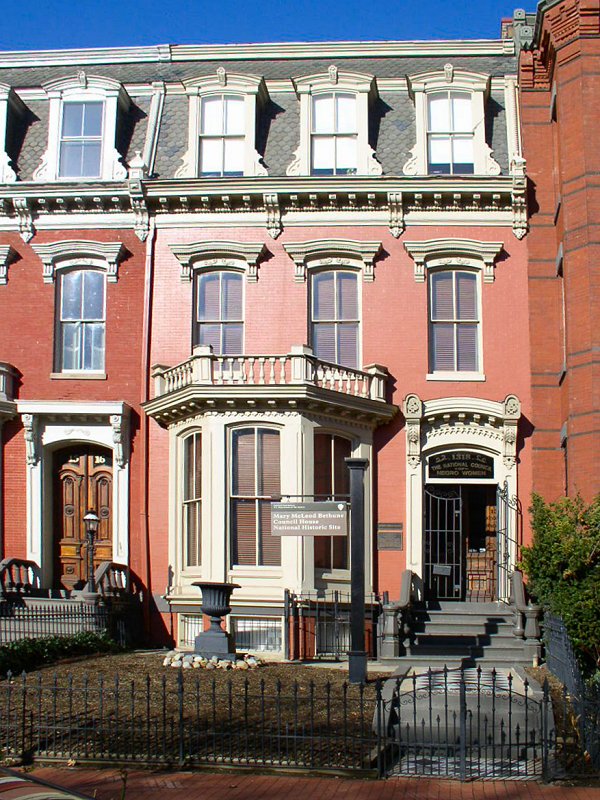 Mary McLeod Bethune Council HousePenthouse View · 1870s
 Dunbar HospitalPenthouse View · 1890s
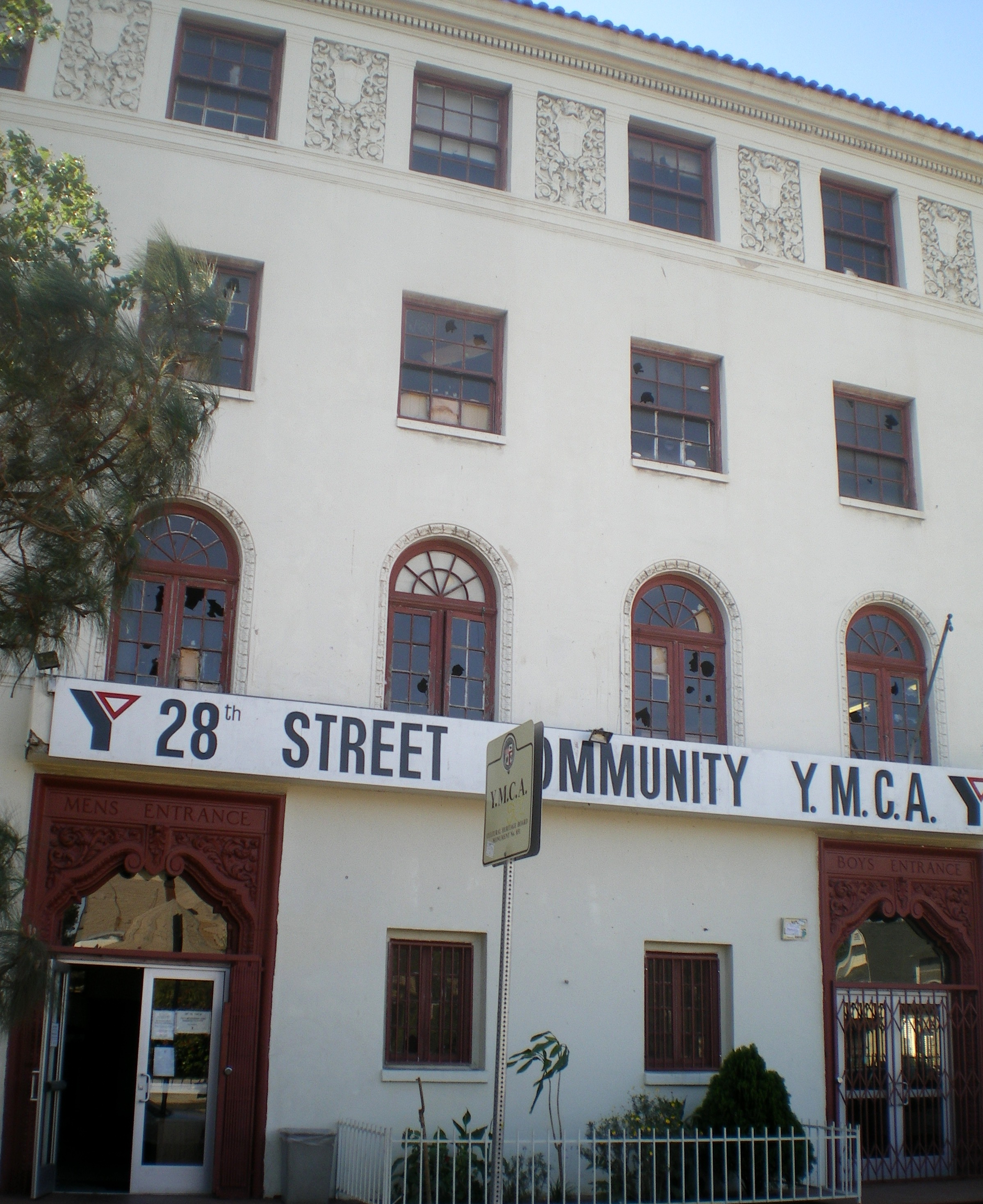 28th Street YMCAPenthouse View · 1926
 Gando Primary SchoolPenthouse View · 2001
 Serpentine Pavilion 2017Penthouse View · 2017
 Serpentine Pavilion 2021Penthouse View · 2021
 John Randle Centre for Yoruba CulturePenthouse View · 2023
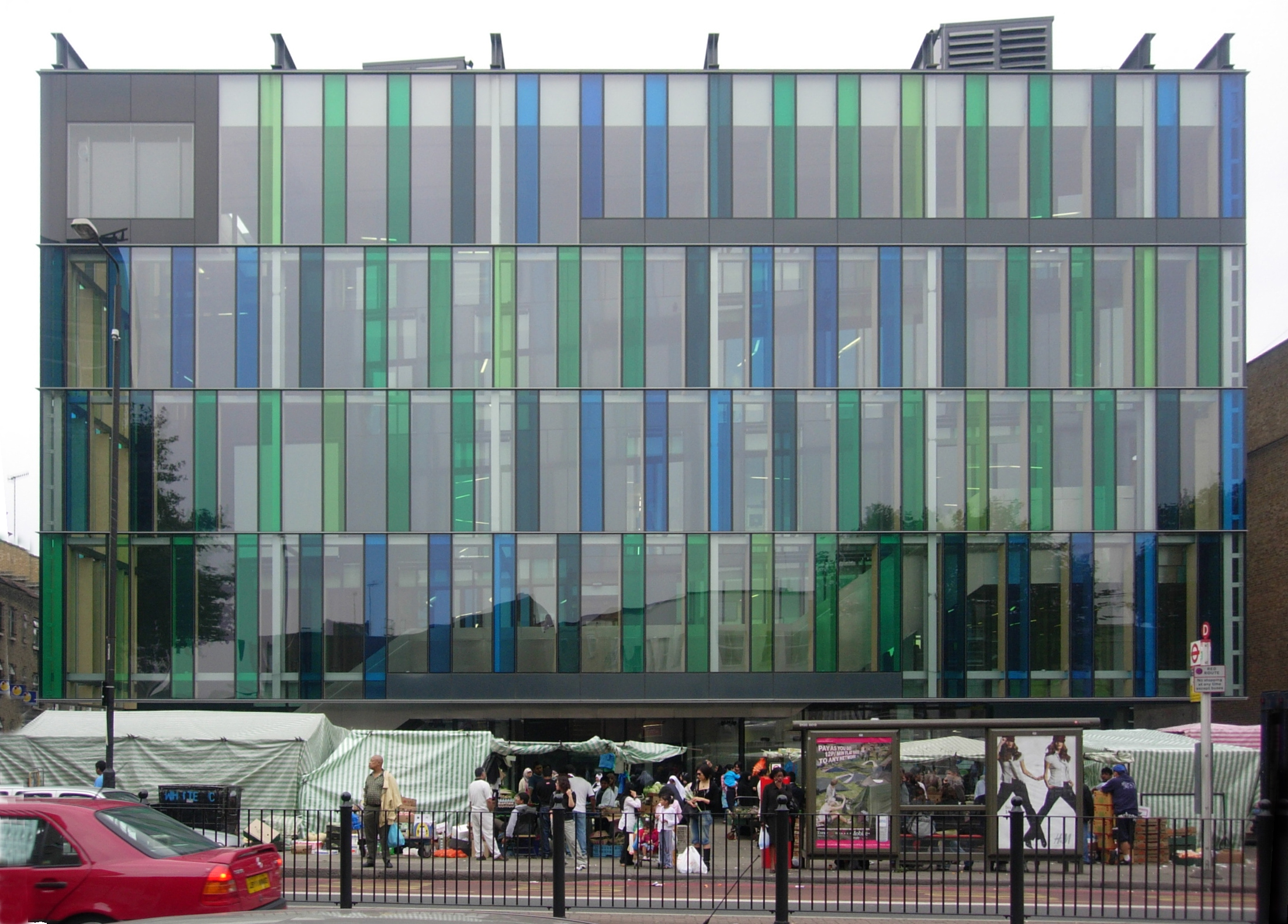 Idea Store WhitechapelPenthouse View · 2005
 Citadelle LaferrièrePenthouse View · c. 1820
 Sans-Souci PalacePenthouse View · 1813
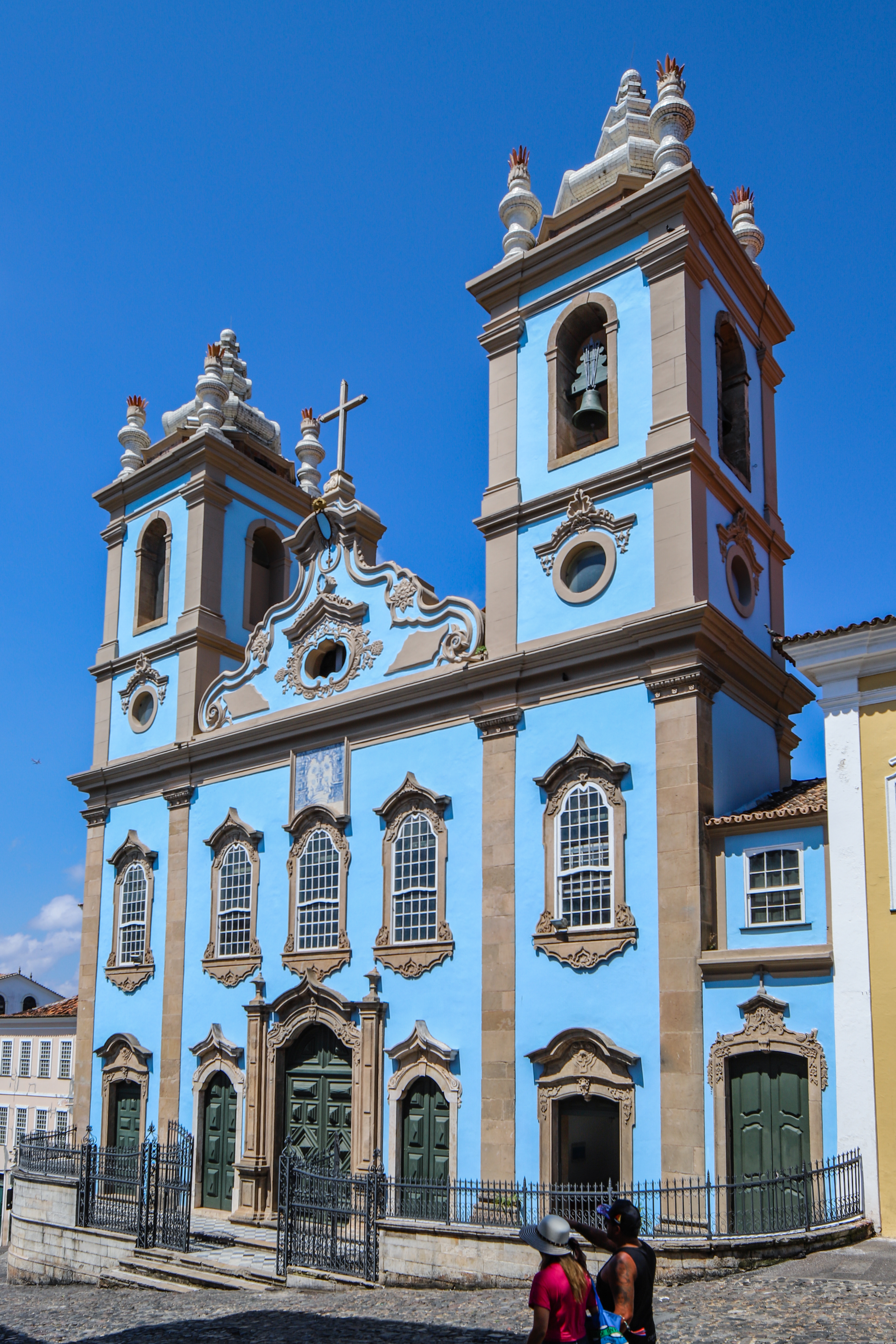 Igreja de Nossa Senhora do Rosário dos PretosPenthouse View · 18th c.
 San Basilio de PalenquePenthouse View · 17th c.
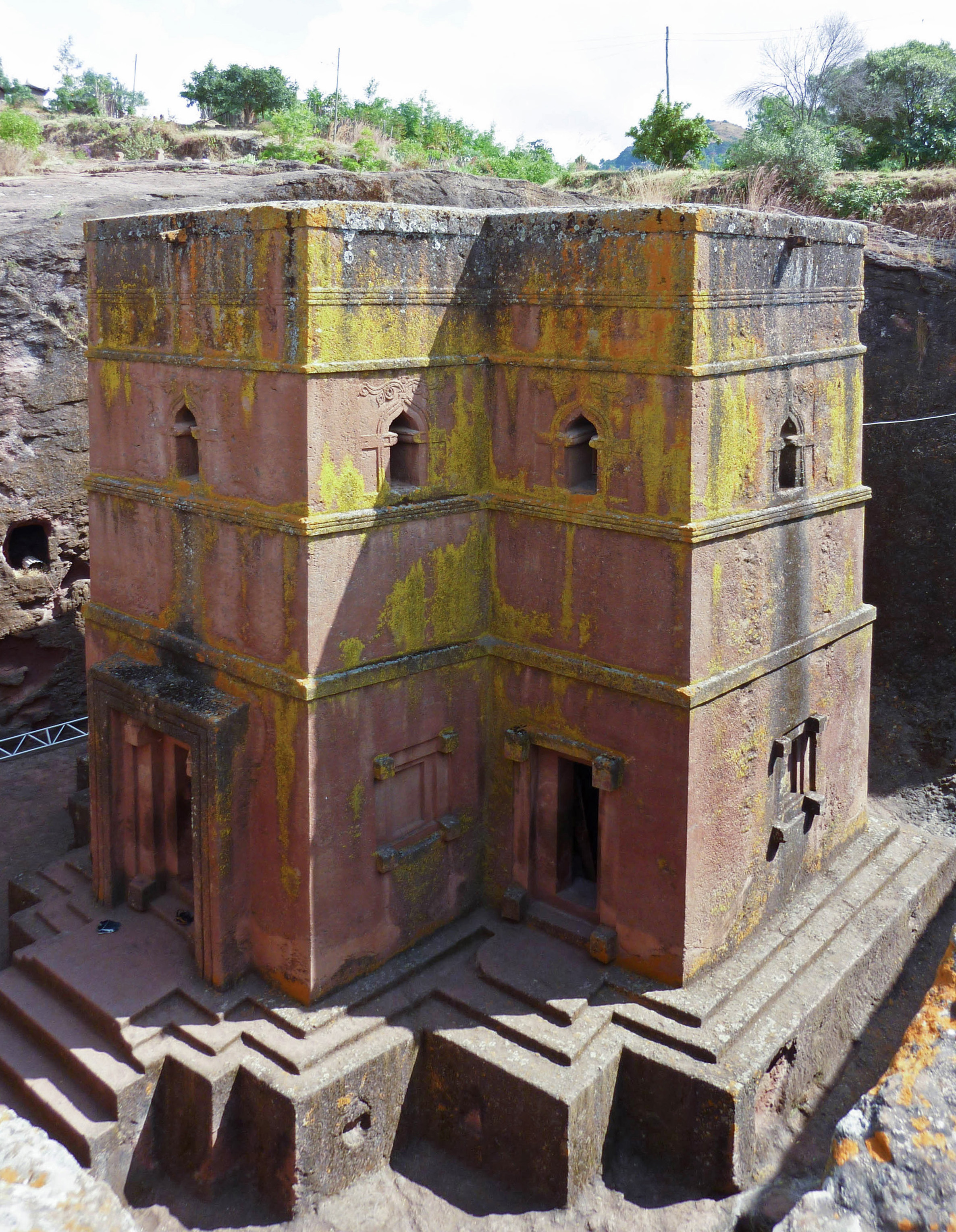 Rock-Hewn Churches of LalibelaPenthouse View · 12th–13th c.
 Fasil Ghebbi (Gondar)Penthouse View · 17th–18th c.
 Kasubi TombsPenthouse View · 1882
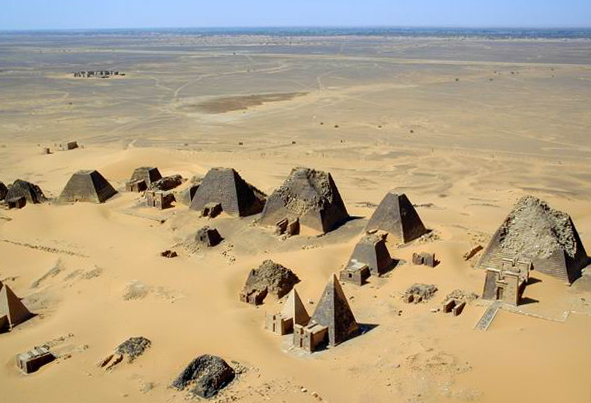 Pyramids of MeroëPenthouse View · c. 300 BC–300 AD
The Full Collection
56 worksEvery verified, rights-cleared work on this floor. Each piece is drawn from a public collection and credited to its source.
Smithsonian National Museum of African American History and Culture
Washington, DC, USA · 2016
David Adjaye, Phil Freelon & J. Max Bond Jr. — the bronze three-tiered Corona on the National Mall, the defining monument of African American history.
Source · Wikimedia CommonsDuke University Chapel
Durham, NC, USA · 1932
Julian Abele (chief designer) — a soaring Collegiate-Gothic chapel by the first Black graduate of Penn's architecture school.
Source · Wikimedia CommonsPhiladelphia Museum of Art
Philadelphia, PA, USA · 1928
Julian Abele (chief designer) — the neoclassical temple on the hill, Abele's civic masterwork.
Source · Wikimedia CommonsThe Studio Museum in Harlem
New York, NY, USA · 2025
David Adjaye — a purpose-built home for the foremost museum of art by artists of African descent.
Source · Wikimedia CommonsRuby City
San Antonio, TX, USA · 2019
David Adjaye — crimson, mica-flecked concrete galleries, a jewel of contemporary American architecture.
Source · Wikimedia CommonsPacific Design Center
West Hollywood, CA, USA · 1975
Norma Merrick Sklarek (with Gruen) — the Blue Whale, by the first Black woman licensed as an architect in NY and CA.
Source · Wikimedia CommonsVilla Lewaro
Irvington, NY, USA · 1918
Vertner Woodson Tandy — Madam C.J. Walker's grand mansion, Black wealth commissioning great architecture.
Source · Wikimedia CommonsReginald F. Lewis Museum
Baltimore, MD, USA · 2005
Phil Freelon (The Freelon Group) — Maryland's flagship museum of African American history and culture.
Source · Wikimedia CommonsFounders Library, Howard University
Washington, DC, USA · 1939
Albert I. Cassell — the Georgian clock-tower heart of the Mecca.
Source · Wikimedia CommonsFrederick Douglass Memorial Hall, Howard University
Washington, DC, USA · 1935
Albert I. Cassell — Cassell's classroom landmark anchoring Howard's quad.
Source · Wikimedia CommonsThe Oaks (Booker T. Washington Home)
Tuskegee, AL, USA · 1899
Robert R. Taylor & Tuskegee students — student-built, Black hands raising a Black institution.
Source · Wikimedia CommonsTuskegee University Historic Campus
Tuskegee, AL, USA · 1900s
Robert R. Taylor — a campus designed and built by its own community.
Source · Wikimedia CommonsJubilee Hall, Fisk University
Nashville, TN, USA · 1876
Fisk University / Jubilee Singers (institution) — the oldest permanent building for Black higher education in the South.
Source · Wikimedia CommonsMemorial Church, Hampton University
Hampton, VA, USA · 1886
Hampton University (HBCU institution) — cornerstone of one of the oldest HBCUs, near the Emancipation Oak.
Source · Wikimedia CommonsSchomburg Center for Research in Black Culture
New York, NY, USA · 1980
J. Max Bond Jr. (Bond Ryder) — the world's leading research center on the African diaspora.
Source · Wikimedia CommonsAugust Wilson African American Cultural Center
Pittsburgh, PA, USA · 2009
Allison Williams — a sail-like form honoring the playwright of the Hill District.
Source · Wikimedia CommonsHector Pieterson Museum
Soweto, South Africa · 2002
Phill Mashabane (Mashabane Rose) — a memorial to the 1976 Soweto Uprising.
Source · Wikimedia CommonsBlack Cultural Archives
London (Brixton), UK · 2014
Len Garrison / Black Cultural Archives (institution) — the national home of Black British history.
Source · Wikimedia CommonsAnacostia Community Museum
Washington, DC, USA · 1967
Black-community-founded Smithsonian — the Smithsonian's pioneering community museum.
Source · Wikimedia CommonsMadam Walker Legacy Center
Indianapolis, IN, USA · 1927
Walker Mfg. Co. (Black institution) — an Art-Deco landmark built by the Walker beauty empire.
Source · Wikimedia Commons16th Street Baptist Church
Birmingham, AL, USA · 1911
Wallace A. Rayfield — by a pioneering Black architect; site of the 1963 bombing.
Source · Wikimedia CommonsMother Bethel AME Church
Philadelphia, PA, USA · 1890
AME Church / Richard Allen (institution) — birthplace of the African Methodist Episcopal Church.
Source · Wikimedia CommonsSt. Philip's Episcopal Church
Harlem, New York, NY, USA · 1911
Vertner Woodson Tandy — a neo-Gothic anchor of Black Harlem.
Source · Wikimedia CommonsProvident Hospital
Chicago, IL, USA · 1891
Daniel Hale Williams (Black-founded) — the first Black-owned and operated hospital in the US.
Source · Wikimedia CommonsMary McLeod Bethune Council House
Washington, DC, USA · 1870s
Bethune / NCNW (institution) — headquarters of the National Council of Negro Women.
Source · Wikimedia CommonsDunbar Hospital
Detroit, MI, USA · 1890s
Black-founded hospital (institution) — Detroit's first Black hospital.
Source · Wikimedia Commons28th Street YMCA
Los Angeles, CA, USA · 1926
Paul Revere Williams — a Spanish-Revival landmark serving Black LA, by the first Black AIA Fellow.
Source · Wikimedia CommonsGando Primary School
Gando, Burkina Faso · 2001
Francis Kéré — the clay-and-light school that launched the first Black Pritzker laureate.
Source · Wikimedia CommonsSerpentine Pavilion 2017
London, UK · 2017
Francis Kéré — the blue tree-canopy pavilion that brought African architecture to Kensington Gardens.
Source · Wikimedia CommonsSerpentine Pavilion 2021
London, UK · 2021
Sumayya Vally (Counterspace) — by the youngest architect ever to design the Serpentine, fragments of diasporic London.
Source · Wikimedia CommonsJohn Randle Centre for Yoruba Culture
Lagos, Nigeria · 2023
Seun Oduwole (SI.SA) — a contemporary celebration of Yoruba heritage on Lagos Island.
Source · Wikimedia CommonsIdea Store Whitechapel
London, UK · 2005
David Adjaye — the striped-glass library that reinvented the public library.
Source · Wikimedia CommonsCitadelle Laferrière
Milot, Haiti · c. 1820
Built under King Henri Christophe — a vast mountaintop fortress raised by free Haiti after the only successful slave revolution.
Source · Wikimedia CommonsSans-Souci Palace
Milot, Haiti · 1813
Built for King Henri Christophe — the royal palace of Haiti's King Henri Christophe, Black sovereignty rendered in stone.
Source · Wikimedia CommonsIgreja de Nossa Senhora do Rosário dos Pretos
Salvador, Bahia, Brazil · 18th c.
Built by a Black lay brotherhood — a baroque church built over generations by a brotherhood of free and enslaved Black people.
Source · Wikimedia CommonsSan Basilio de Palenque
Palenque, Colombia · 17th c.
First free Black town in the Americas (community) — the first free African town in the Americas, a UNESCO heritage of resistance.
Source · Wikimedia CommonsRock-Hewn Churches of Lalibela
Lalibela, Ethiopia · 12th–13th c.
Hewn by Ethiopian builders — eleven churches carved down into living rock, a New Jerusalem hewn by Ethiopian hands.
Source · Wikimedia CommonsFasil Ghebbi (Gondar)
Gondar, Ethiopia · 17th–18th c.
Ethiopian imperial builders — the castles of Gondar, an African imperial citadel of stone.
Source · Wikimedia CommonsKasubi Tombs
Kampala, Uganda · 1882
Buganda kingdom (community) — the thatched royal tombs of the Buganda kingdom, a masterpiece of organic architecture.
Source · Wikimedia CommonsPyramids of Meroë
Meroë, Sudan · c. 300 BC–300 AD
Kingdom of Kush (Nubian builders) — the steep royal pyramids of Kush, more pyramids than all of Egypt.
Source · Wikimedia Commons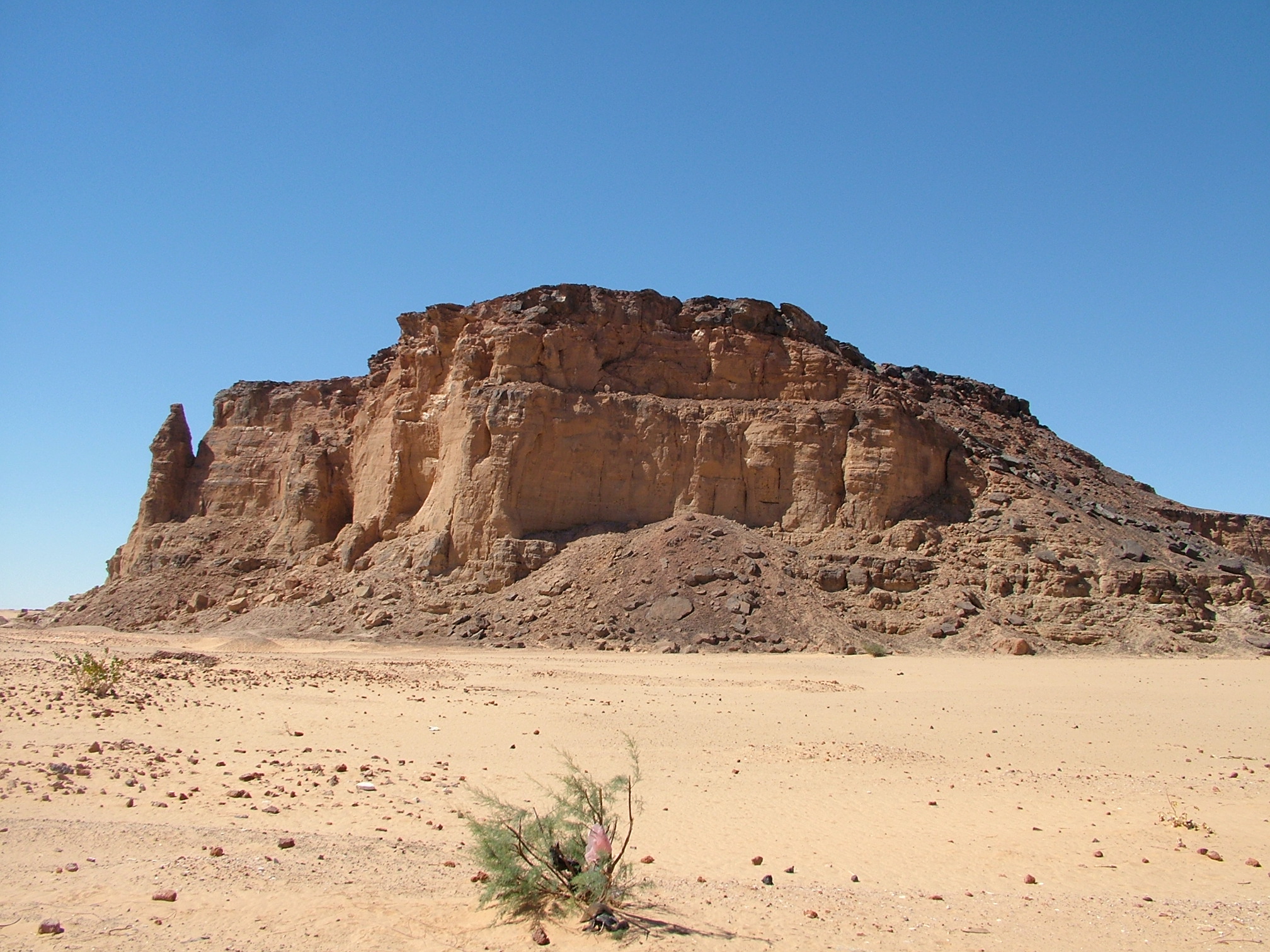
Jebel Barkal
Karima, Sudan · c. 1450 BC
Napatan / Kushite builders — the sacred mountain and temples of Napata, religious heart of the Kushite empire.
Source · Wikimedia Commons
Great Mosque of Djenné
Djenné, Mali · 1907 (current)
Djenné community (builders) — the largest mud-brick building on earth, re-plastered each year by the whole city.
Source · Wikimedia Commons
African Renaissance Monument
Dakar, Senegal · 2010
Pierre Goudiaby Atepa — a 49-metre bronze figure facing the Atlantic, designed by Senegalese architect Pierre Goudiaby Atepa.
Source · Wikimedia Commons
Kwame Nkrumah Mausoleum
Accra, Ghana · 1992
Don Arthur (Ghanaian architect) — the marble mausoleum of Ghana's founding president, by Ghanaian architect Don Arthur.
Source · Wikimedia Commons
Larabanga Mosque
Larabanga, Ghana · c. 1421
Larabanga community (builders) — Ghana's oldest mosque, a whitewashed Sudano-Sahelian landmark.
Source · Wikimedia Commons
Djinguereber Mosque (Timbuktu)
Timbuktu, Mali · 1327
Mali Empire community (commissioned by Mansa Musa) — the earthen Friday mosque of Mansa Musa's Timbuktu, heart of a Saharan city of scholars.
Source · Wikimedia Commons
Tomb of Askia (Gao)
Gao, Mali · 1495
Askia Mohammad I, Songhai Empire — the 17-metre pyramidal earthen tomb of the Songhai emperor Askia Mohammad.
Source · Wikimedia Commons
Great Mosque of Agadez
Agadez, Niger · 1515 (rebuilt 1844)
Agadez community (builders) — a 27-metre mud-brick minaret bristling with timber, landmark of the Saharan caravan trade.
Source · Wikimedia Commons
Cliffs of Bandiagara (Dogon)
Bandiagara, Mali · 14th c. onward
Dogon and Tellem (community) — Dogon and Tellem dwellings and granaries clinging to a 150-km sandstone escarpment.
Source · Wikimedia Commons
Royal Palaces of Abomey
Abomey, Benin · 17th–19th c.
Kingdom of Dahomey (Fon) — the earthen royal palaces of the Fon kings of Dahomey, walled with storied bas-reliefs.
Source · Wikimedia Commons
Obelisks of Aksum
Aksum, Ethiopia · 4th c.
Kingdom of Aksum (Aksumite builders) — giant carved granite stelae, among the largest single stones ever quarried and raised.
Source · Wikimedia Commons
Kilwa Kisiwani
Kilwa, Tanzania · 11th–14th c.
Kilwa Sultanate (Swahili builders) — the coral-stone Swahili city whose Great Mosque was the first domed mosque in East Africa.
Source · Wikimedia Commons
Lamu Old Town
Lamu, Kenya · 14th c.
Swahili community — the oldest living Swahili settlement, coral-stone houses and carved doors intact.
Source · Wikimedia Commons
Khami Ruins
Bulawayo, Zimbabwe · 15th–17th c.
Torwa state (Shona builders) — the terraced dry-stone capital that succeeded Great Zimbabwe.
Source · Wikimedia Commons
Brimstone Hill Fortress
Saint Kitts, Saint Kitts and Nevis · 17th–18th c.
Built by enslaved Africans (British engineering) — a vast hilltop fortress hewn from volcanic stone by the hands of enslaved Africans.
Source · Wikimedia Commons
Nelson's Dockyard
English Harbour, Antigua and Barbuda · 18th c.
Built by enslaved Africans (Royal Navy) — the Georgian naval dockyard raised by enslaved African labour, the only working one of its kind.
Source · Wikimedia Commons