
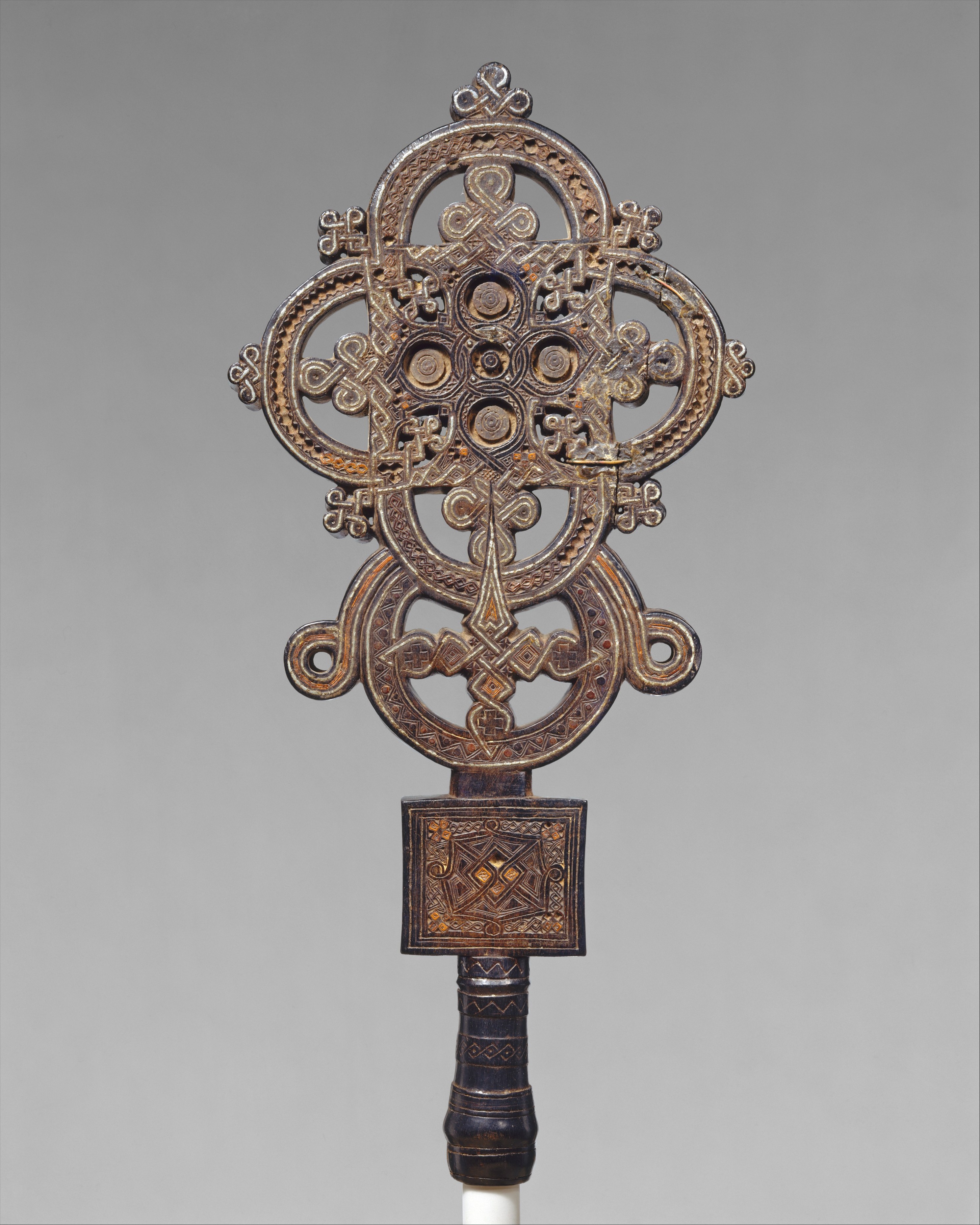
 Liturgical Cross (Mäsqälä Qǝddase)East Africa · ca. 1500
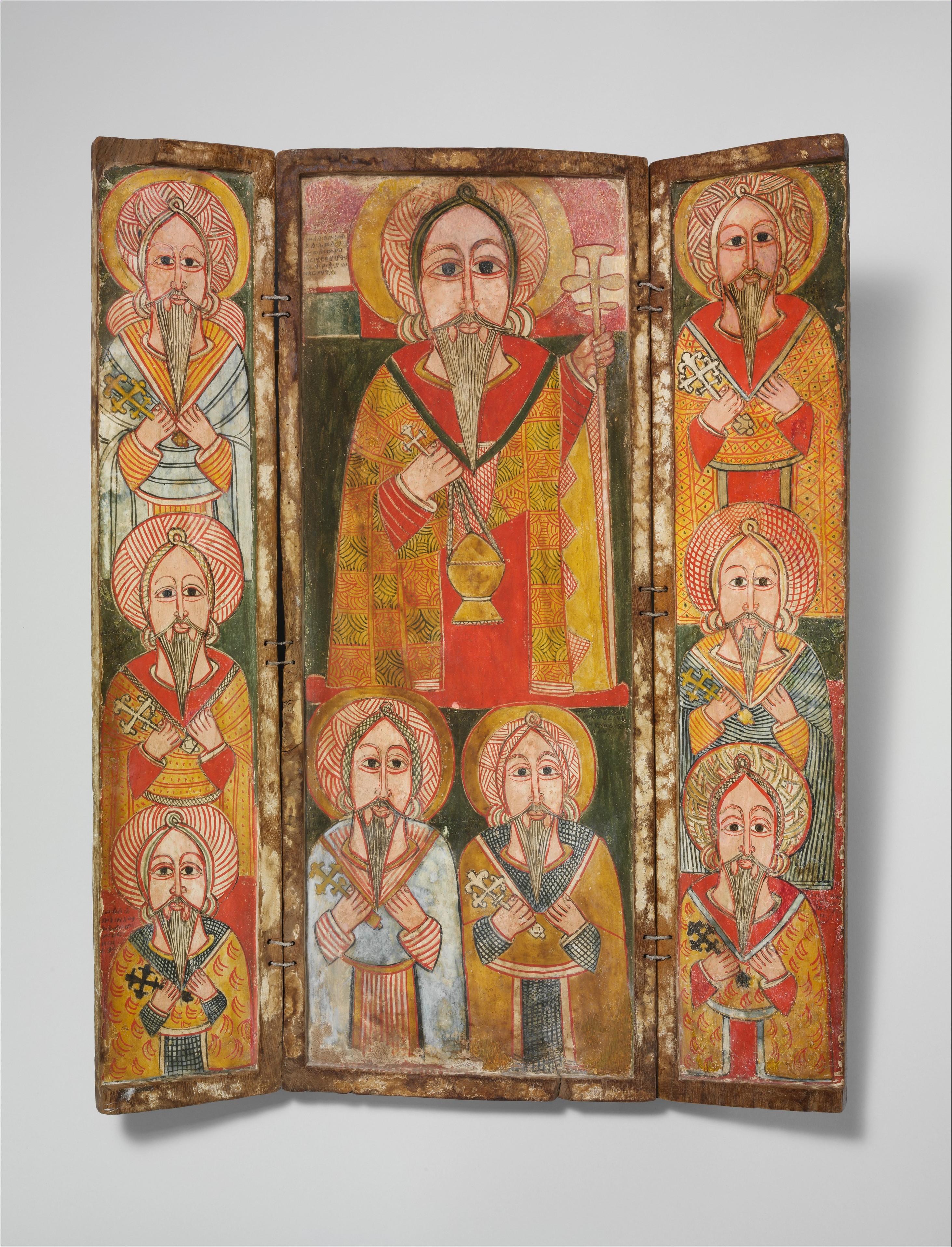 Icon Triptych of Ewosṭatewos and Eight DisciplesEast Africa · late 17th century
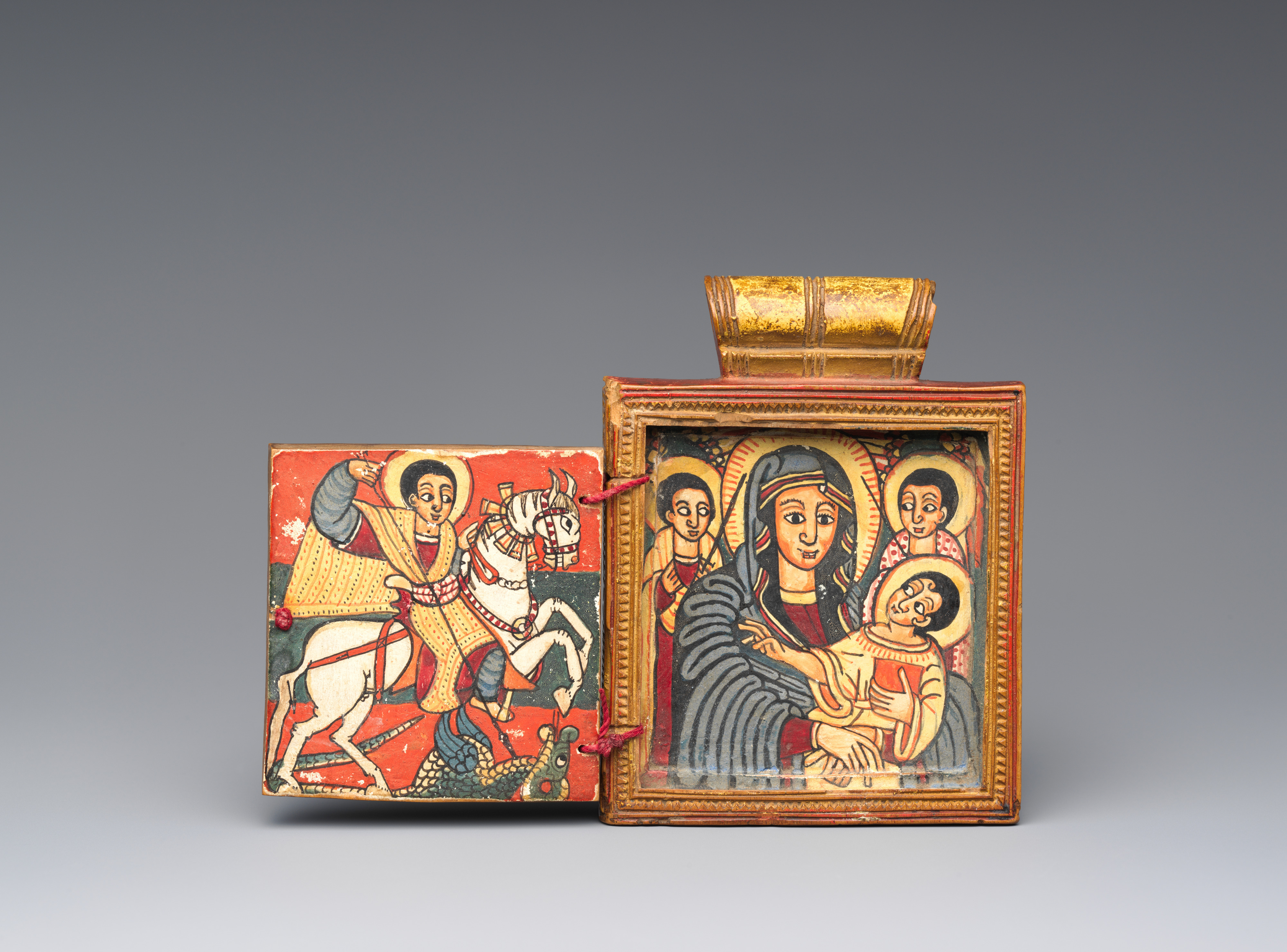 Double Diptych Icon PendantEast Africa · early 18th century
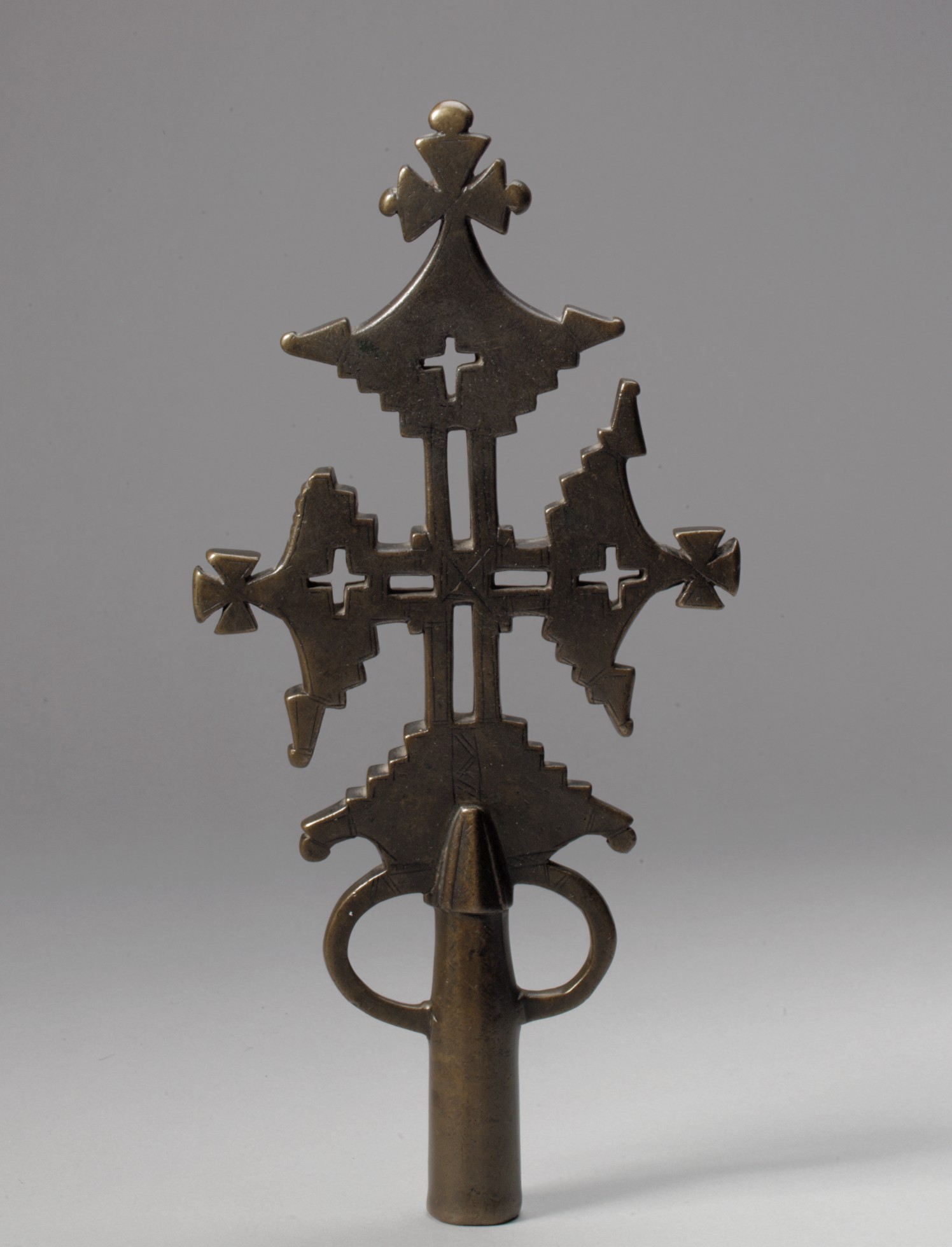 Processional CrossEast Africa · 14th–15th century
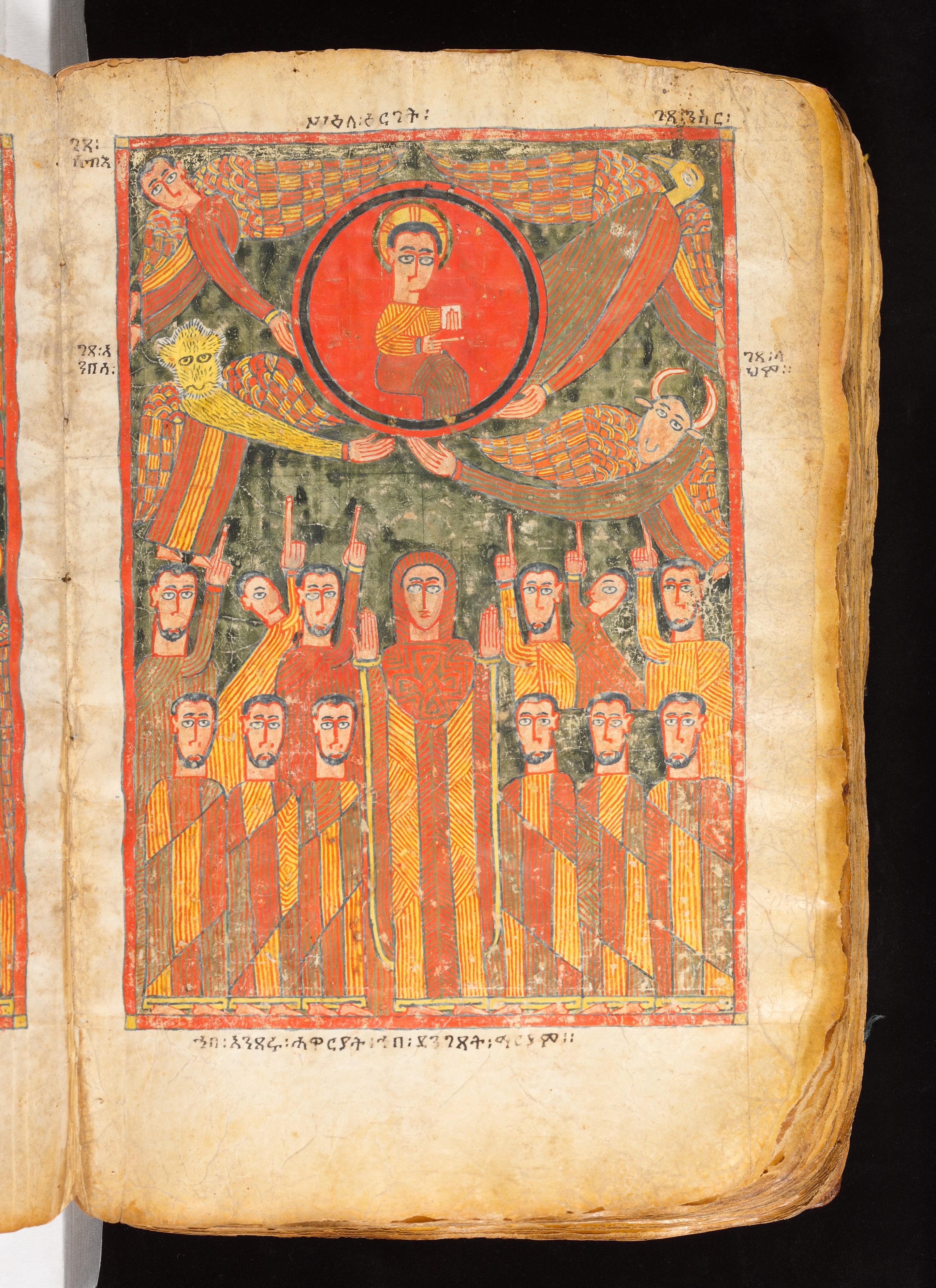 Book of the GospelsEast Africa · late 14th–early 15th century
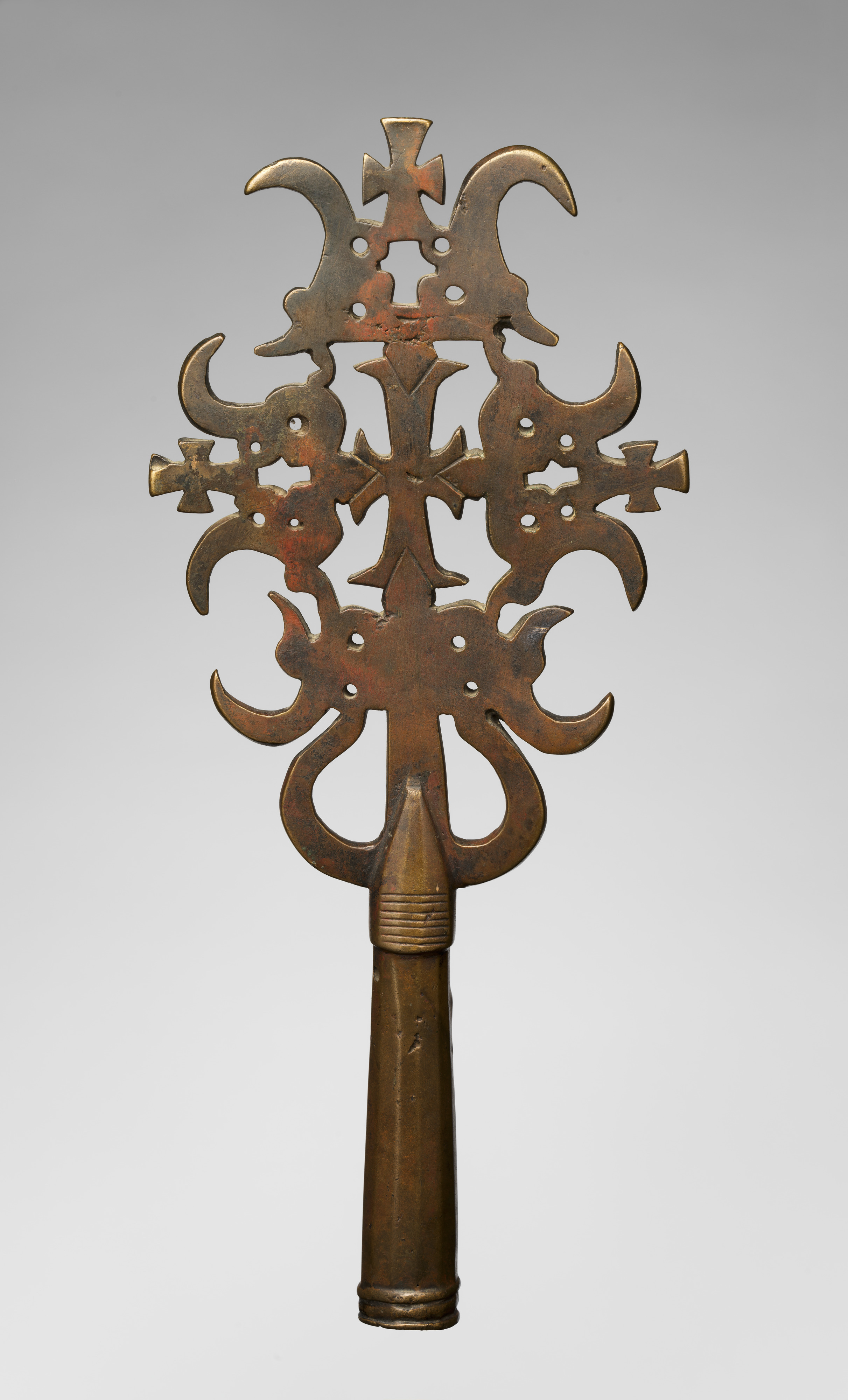 Liturgical Cross (Mäsqälä Qǝddase), 12th–13th c.East Africa · 12th–13th century
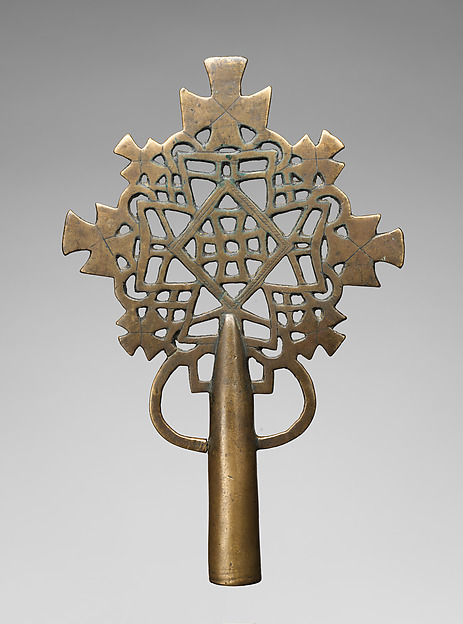 Processional Cross (qäqwami mäsqäl)East Africa · 15th–16th century
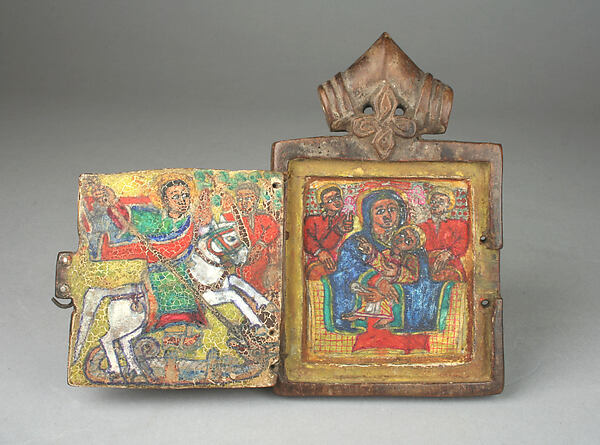 Pendant Icon: St. George, Virgin and Child EnthronedEast Africa · 18th century
 Liturgical Cross (Mäsqälä Qǝddase), 15th c.East Africa · 15th century
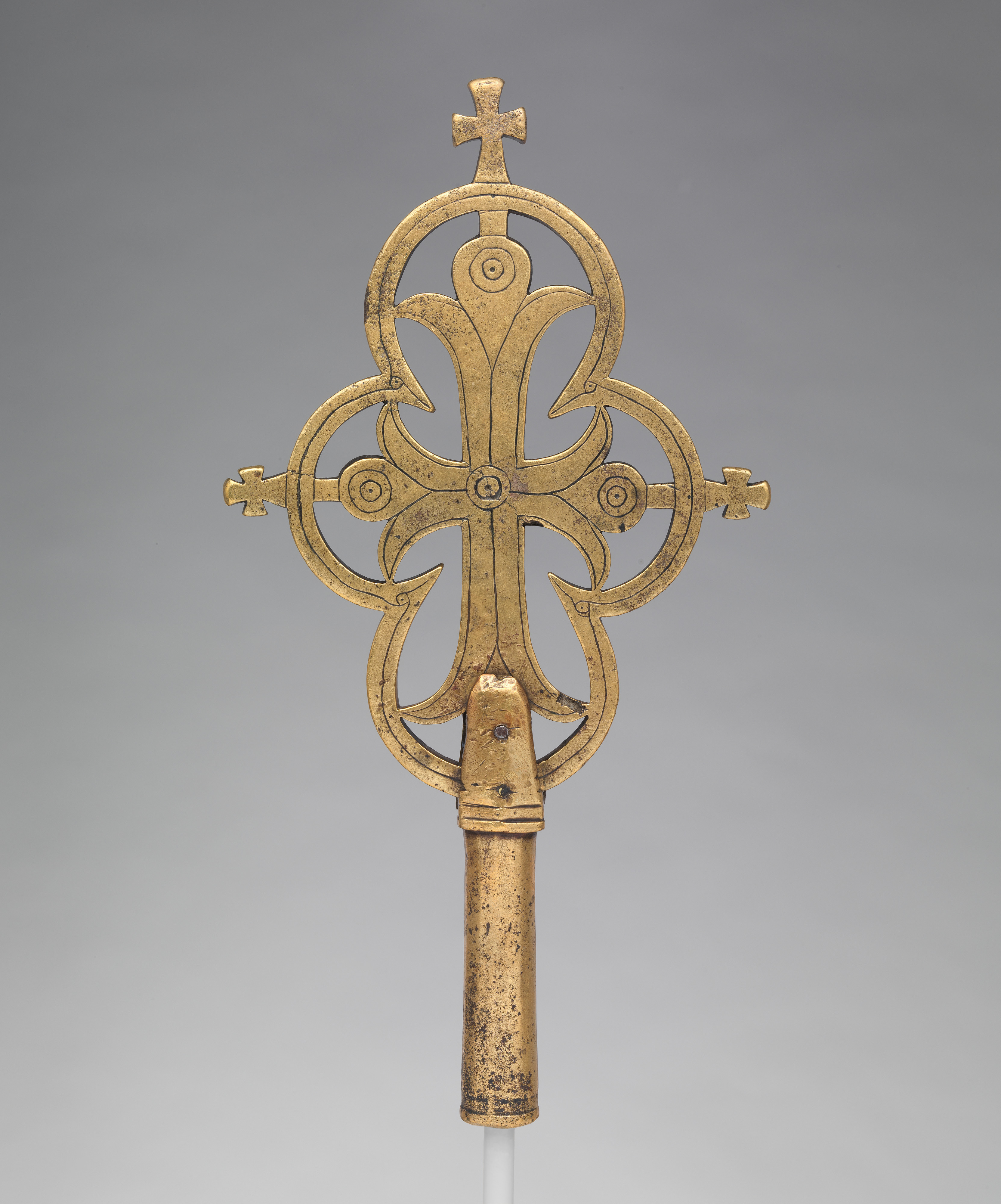 Mäsqälä qǝddase (liturgical cross)East Africa · 13th–14th century
 Tälsäm or yä bərana kətab (healing scroll)East Africa · 18th–19th century
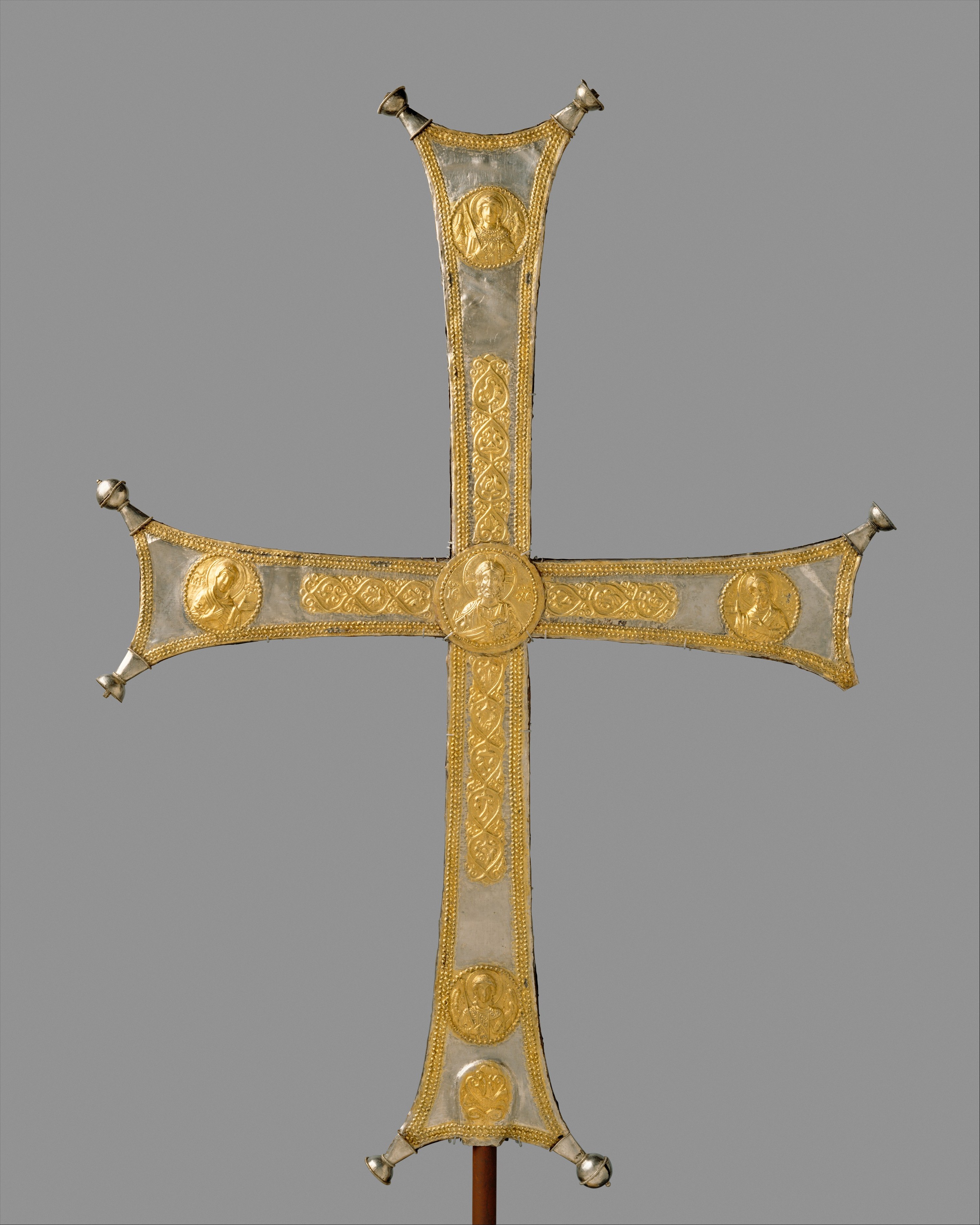 Processional CrossEast Africa · ca. 1000–1050
 "A Muslim Pilgrim Learns a Lesson in Piety from a Brahman", Folio from a Khamsa (Quintet) of Amir Khusrau DihlaviEast Africa · 1597–98
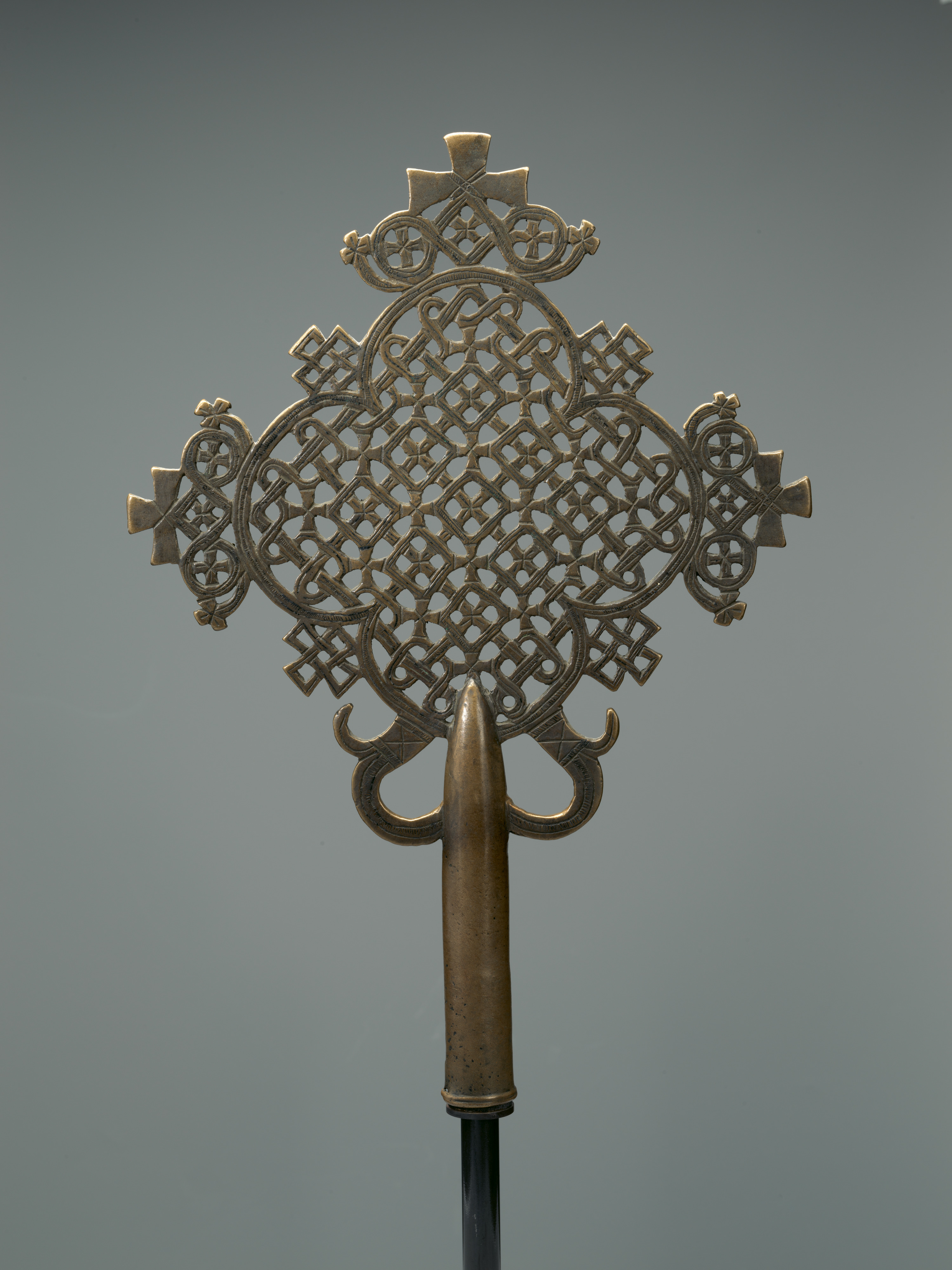 Processional CrossEast Africa · early 15th century
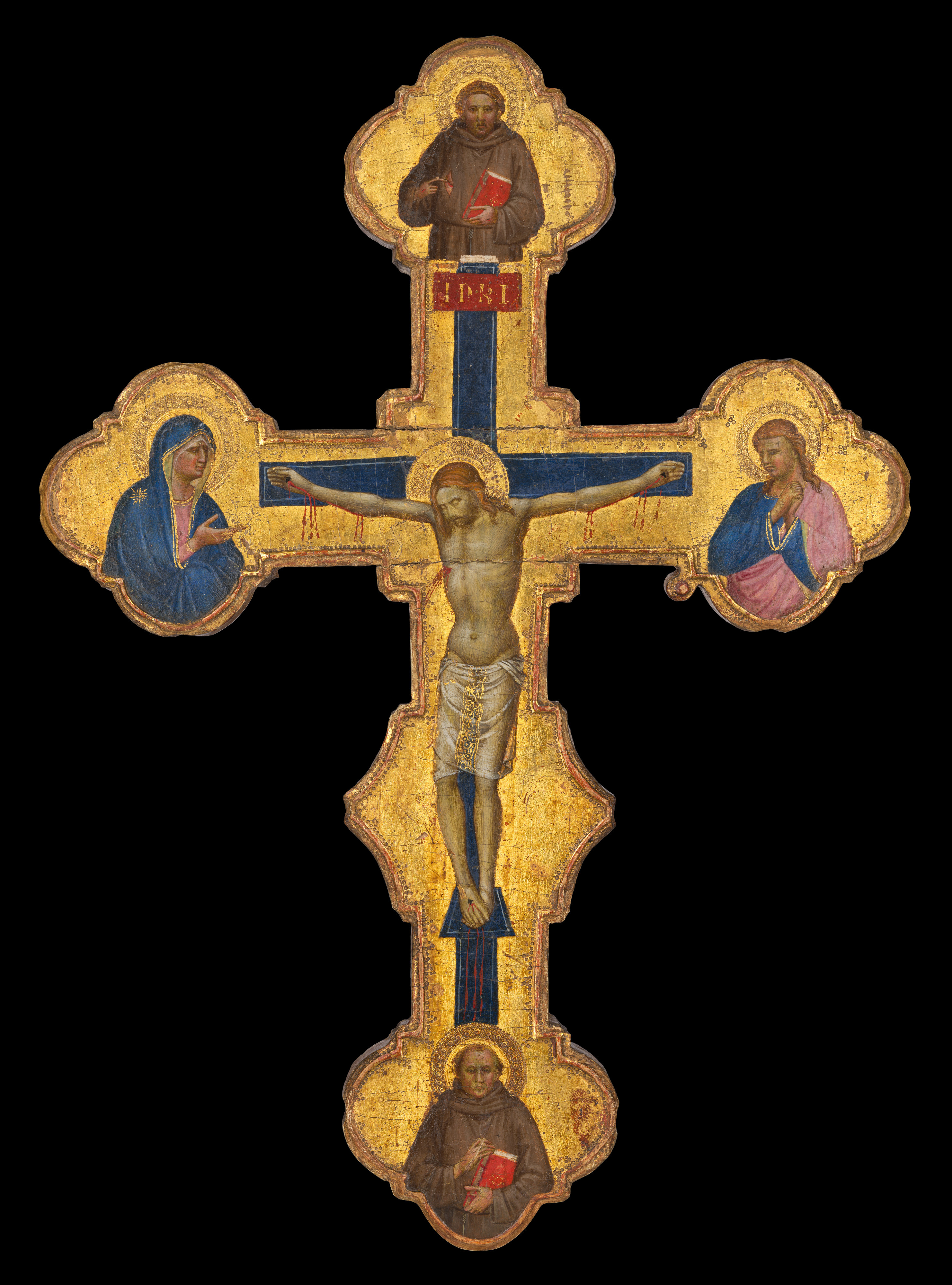 CrucifixEast Africa · 1370–75
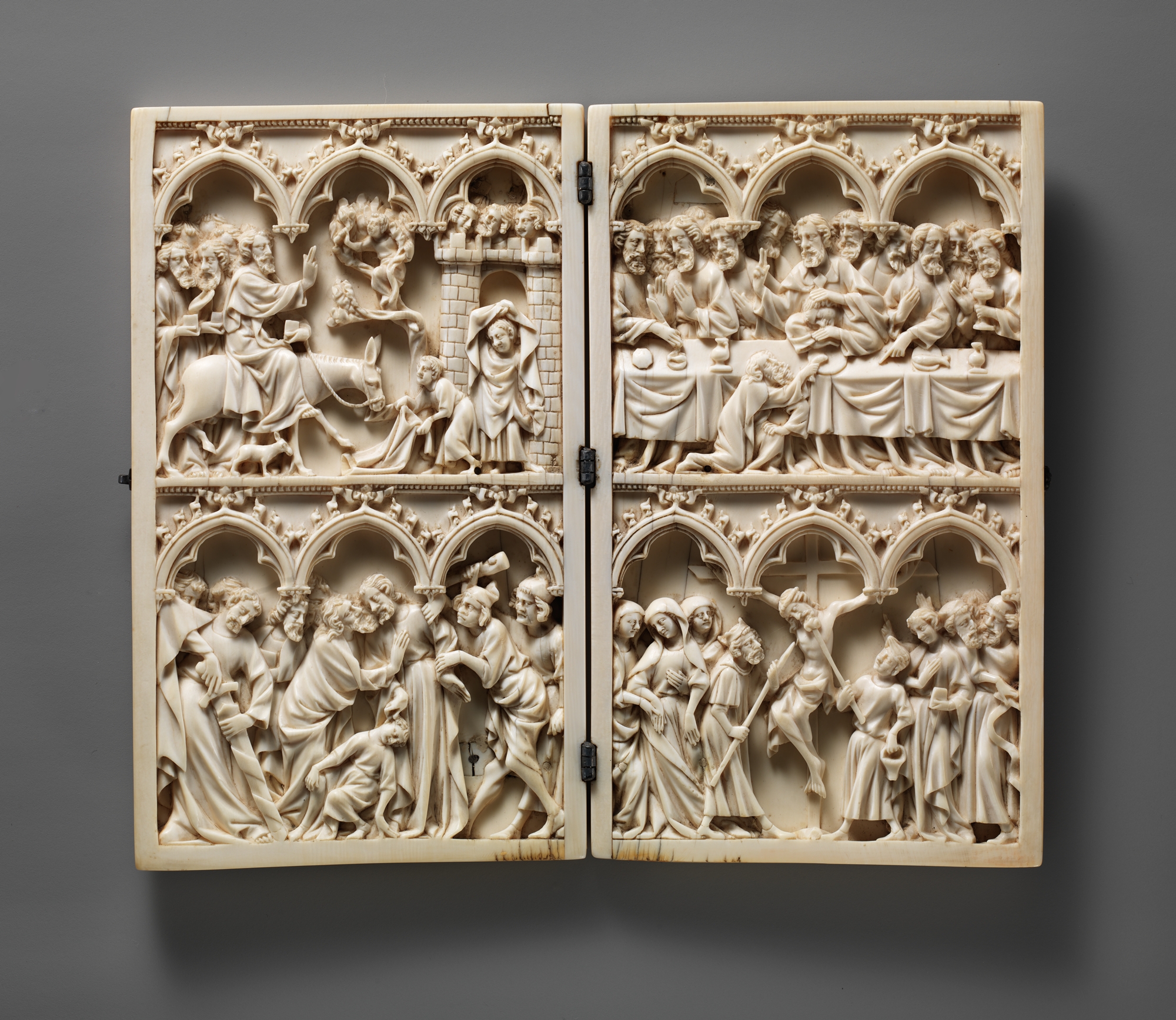 Diptych with Scenes from the PassionEast Africa · ca. 1350
 Tälsäm or yä bərana kətab (healing scroll)East Africa · 19th century
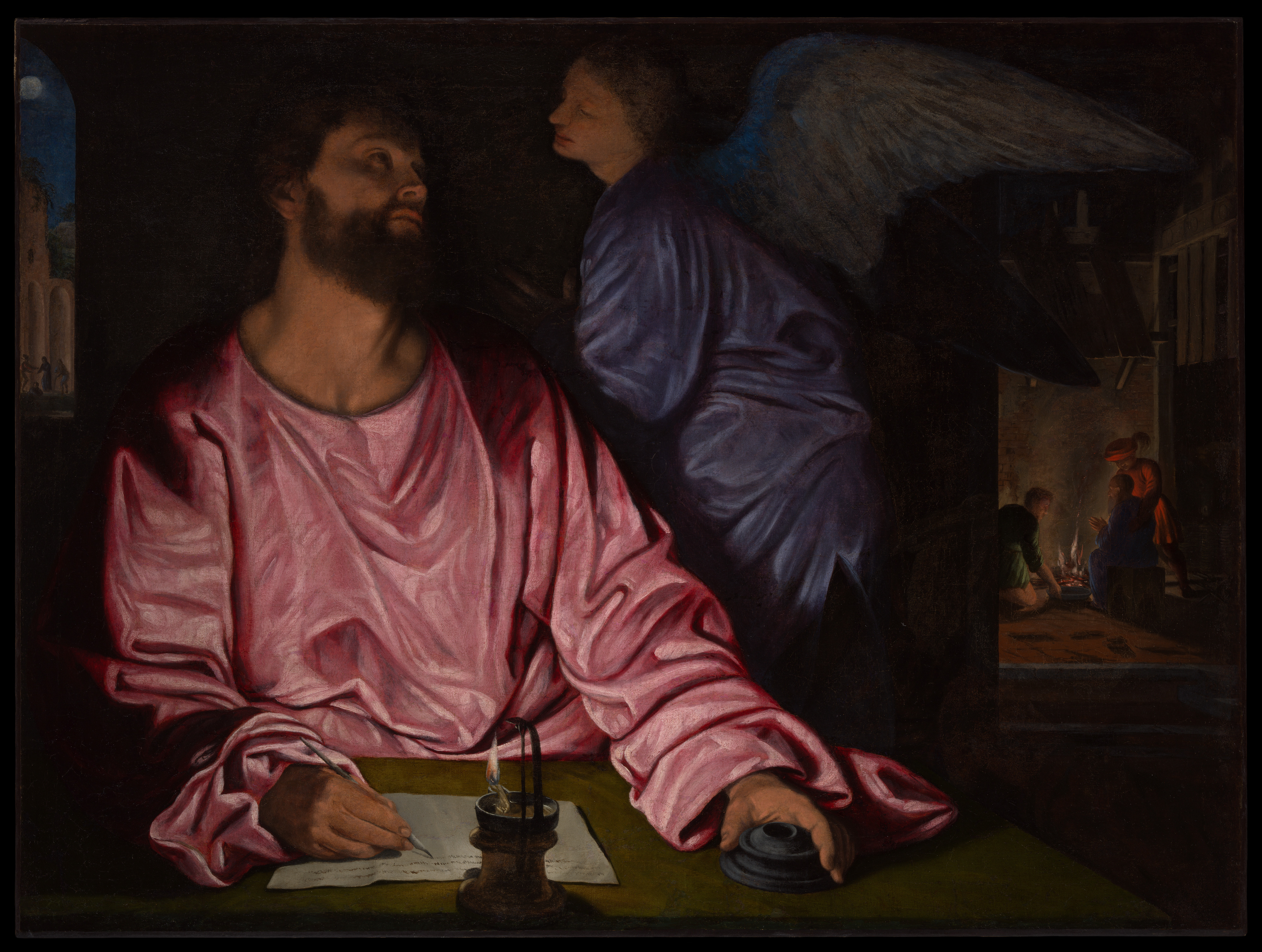 Saint Matthew and the AngelEast Africa
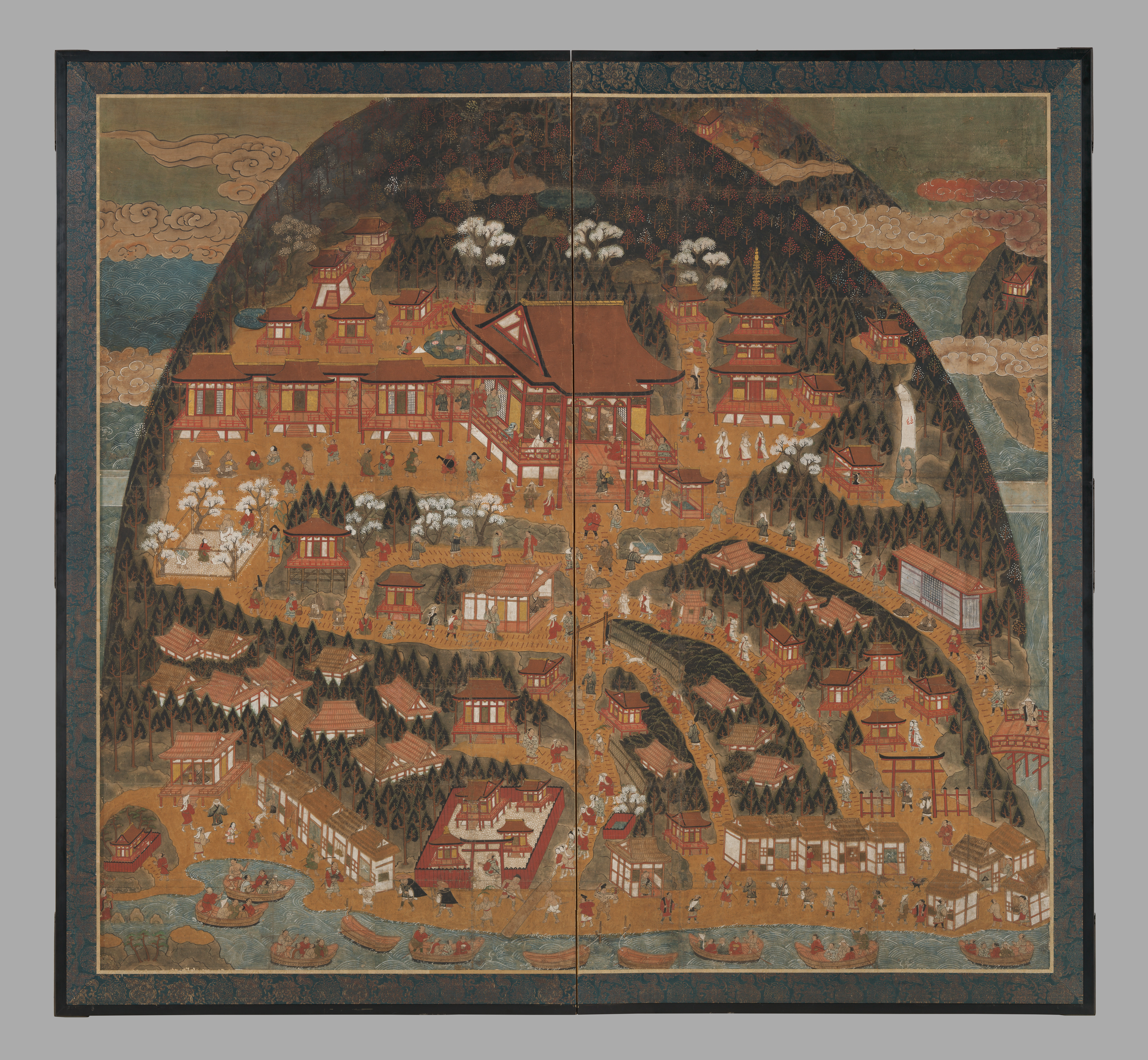 Chōmeiji Temple Pilgrimage MandalaEast Africa · second quarter 16th century
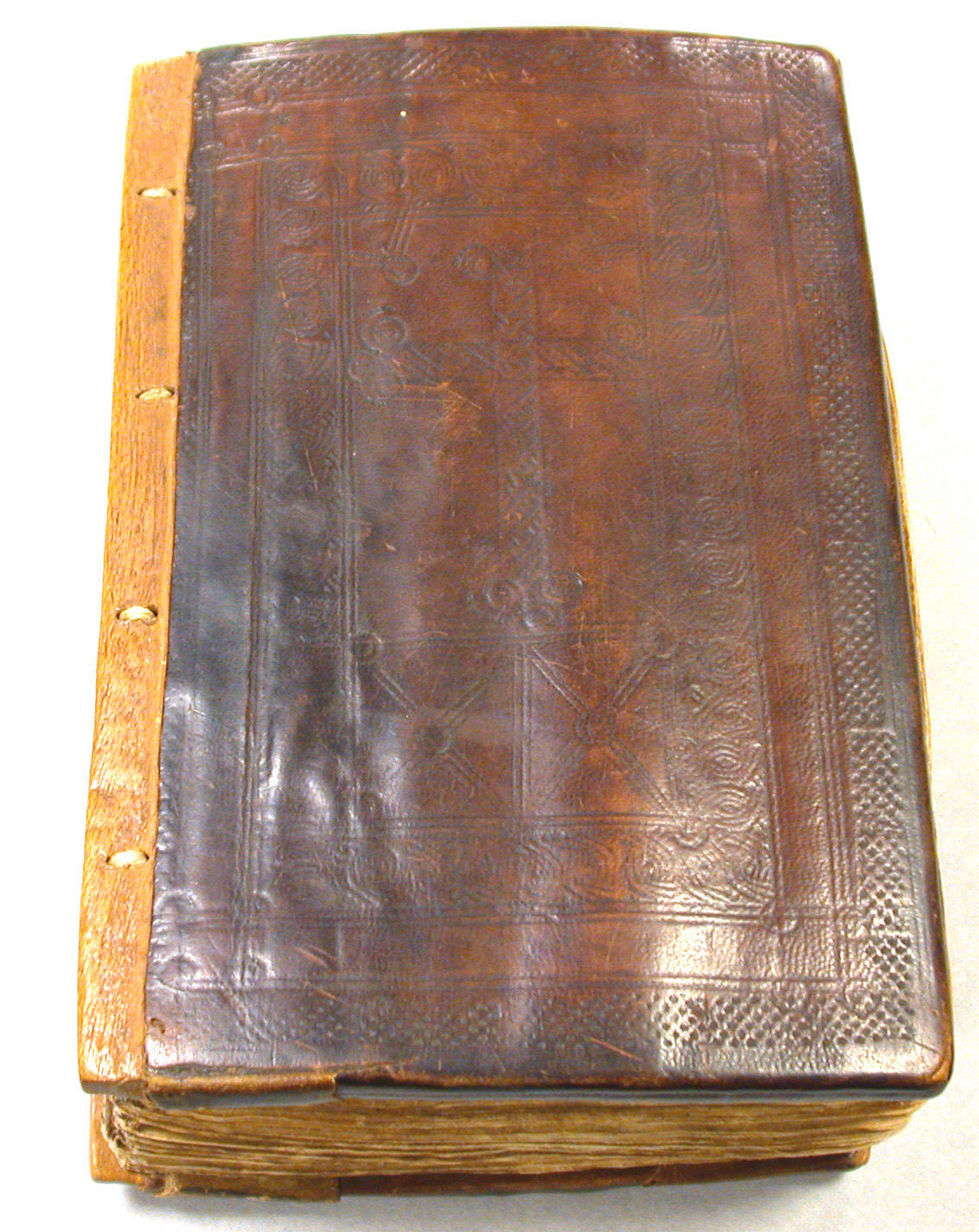 Prayer book with case (mahdar)East Africa · 19th century
 The AnnunciationEast Africa · 1506
 Design for a Crucifix with the Virgin Mary, Saint Mary Magdalen, and Saint JohnEast Africa · n.d.
 Section of the Dream Diary with a Sketch of MountainsEast Africa · ca. 1203–10
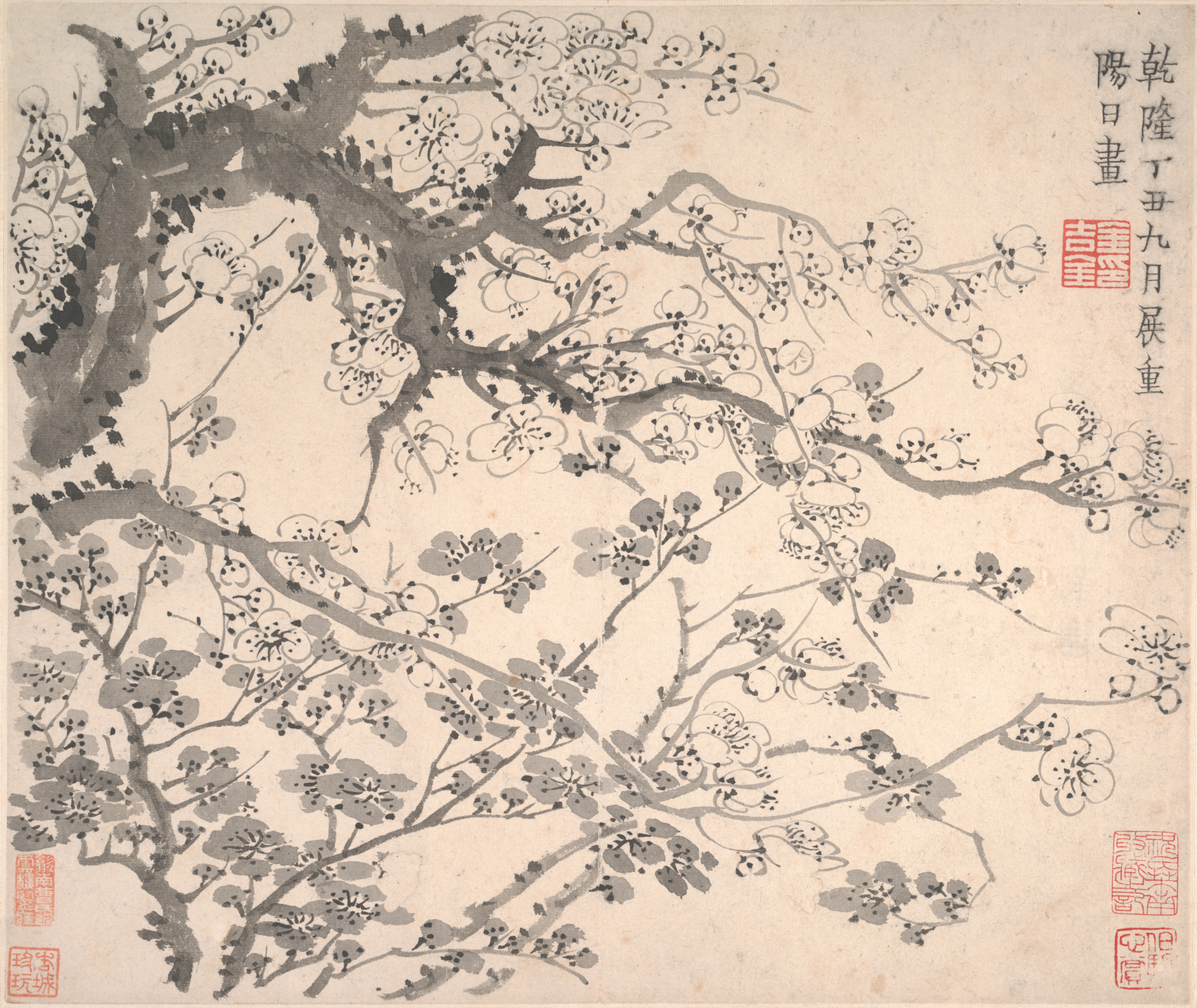 Plum blossomsEast Africa · dated 1757
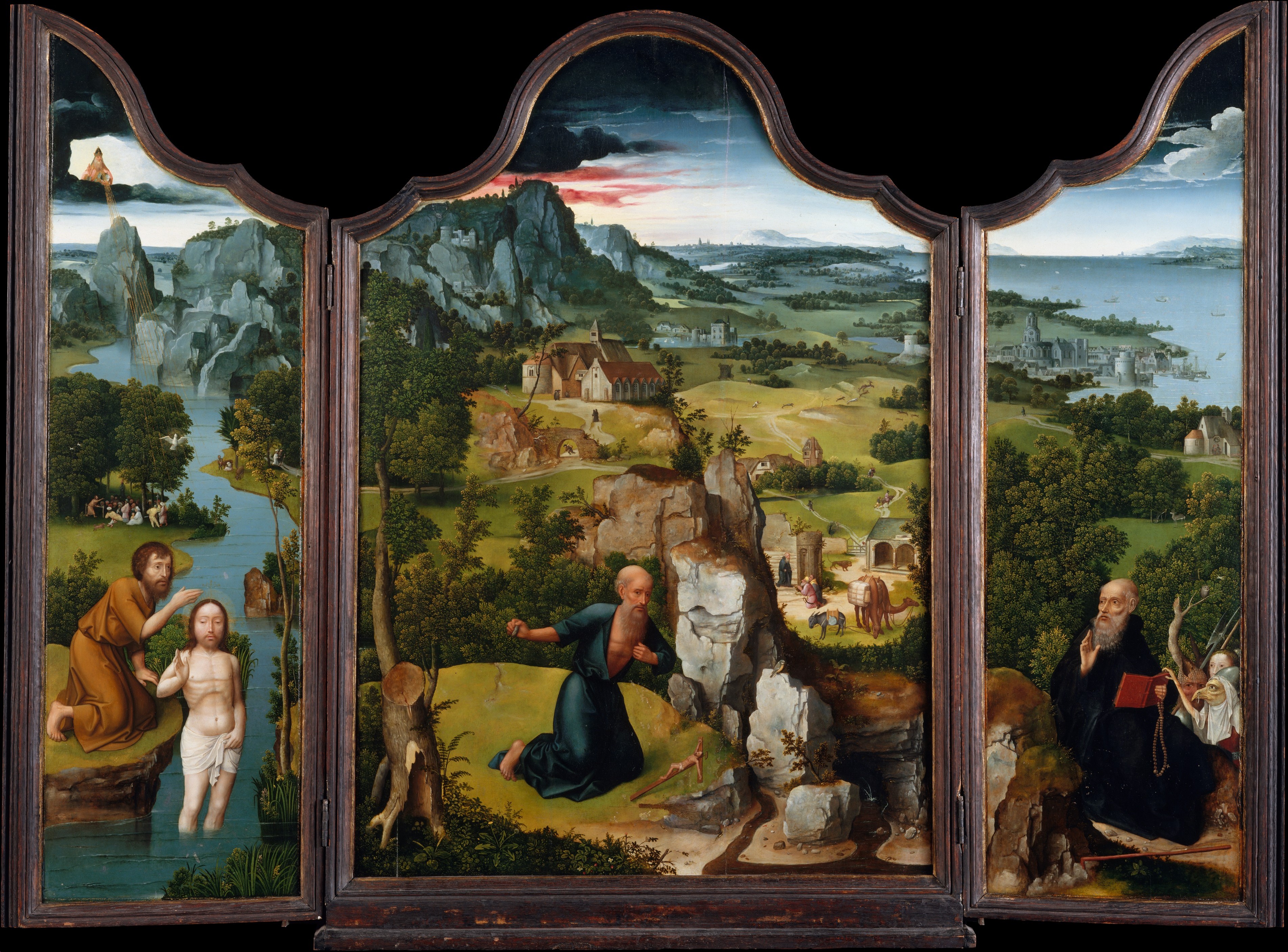 The Penitence of Saint JeromeEast Africa · ca. 1515
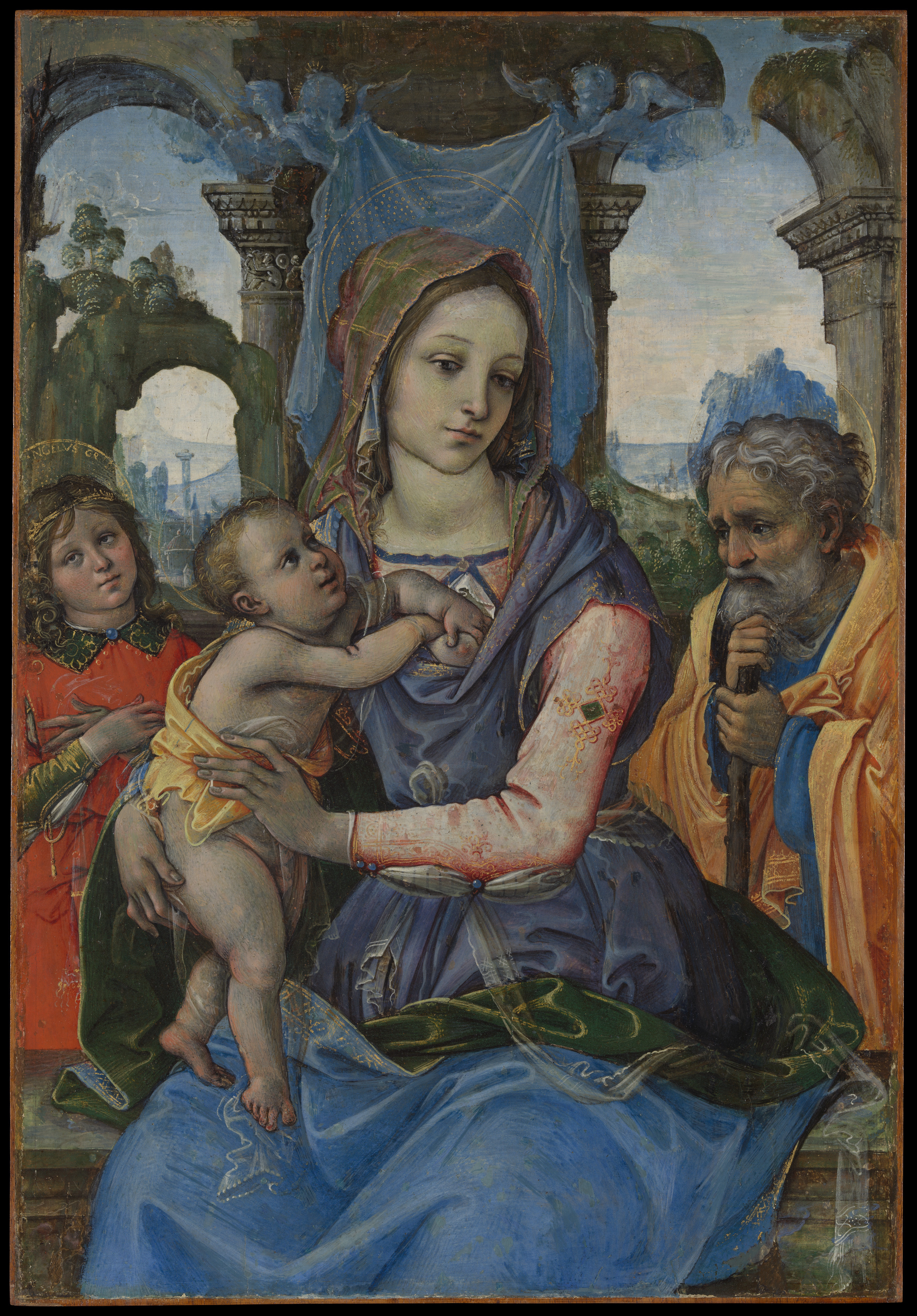 Holy Family with an AngelEast Africa · ca. 1490
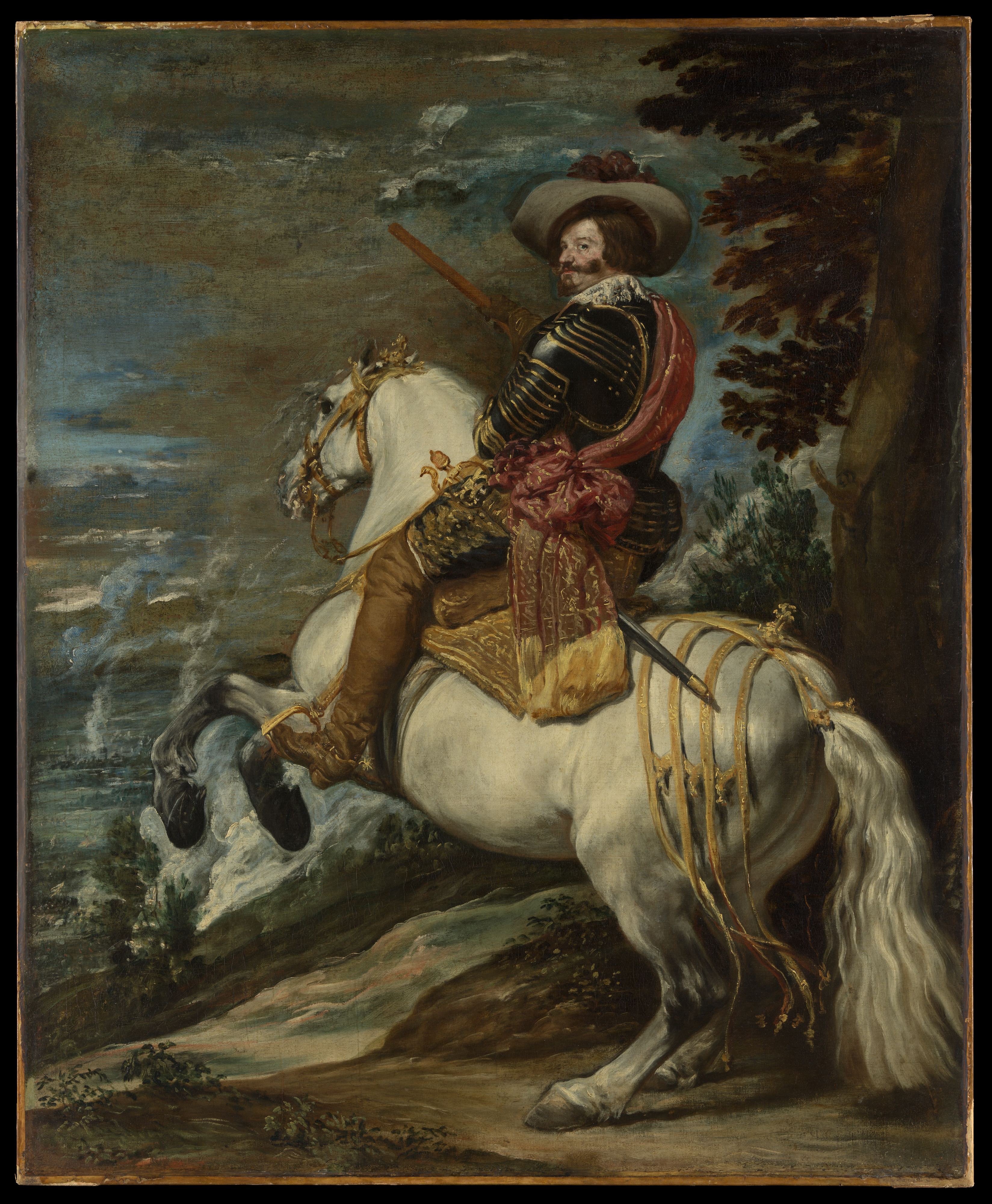 Don Gaspar de Guzmán (1587–1645), Count-Duke of OlivaresEast Africa · ca. 1636 or later
 The Birth of the VirginEast Africa · 1467
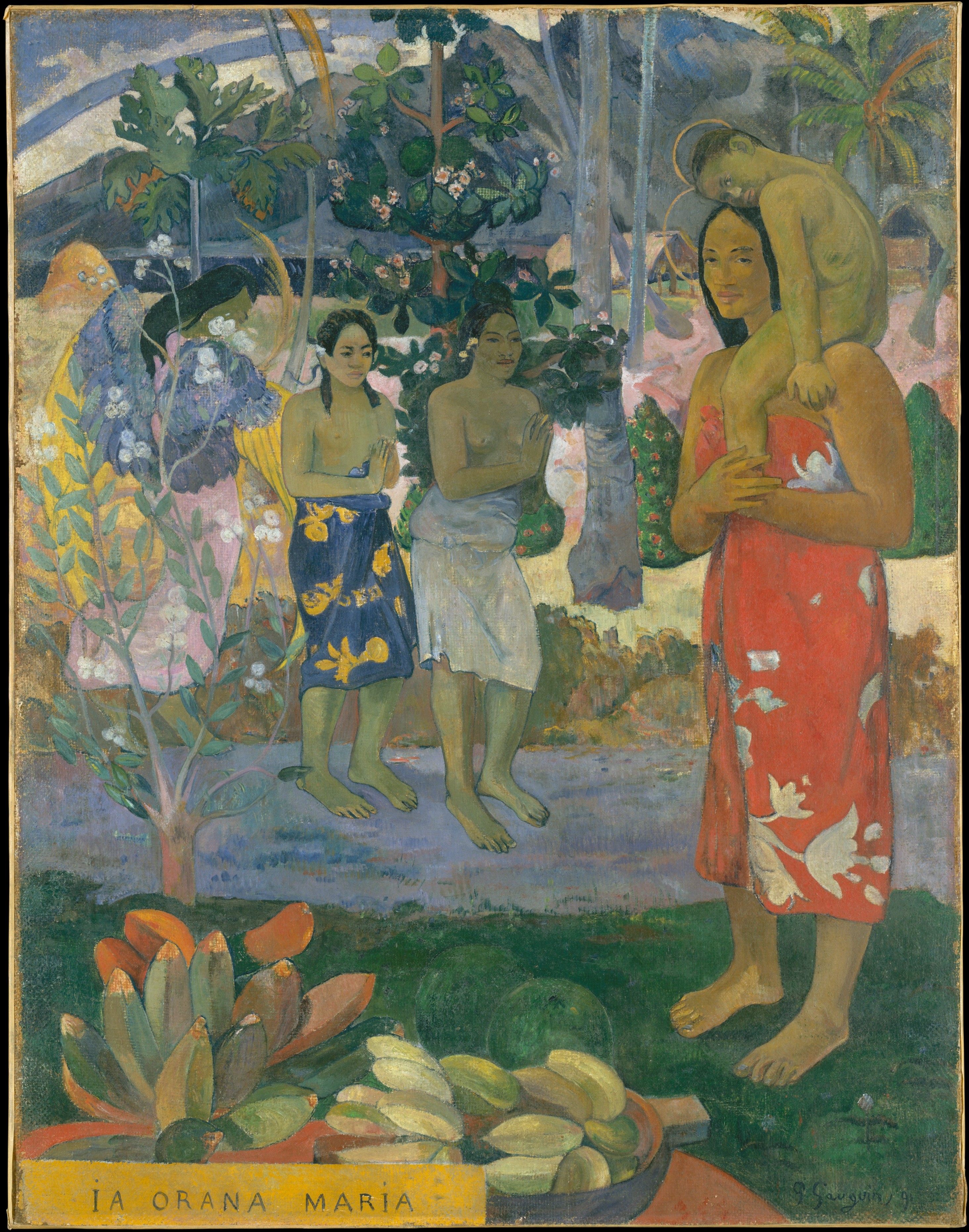 Ia Orana Maria (Hail Mary)East Africa · 1891
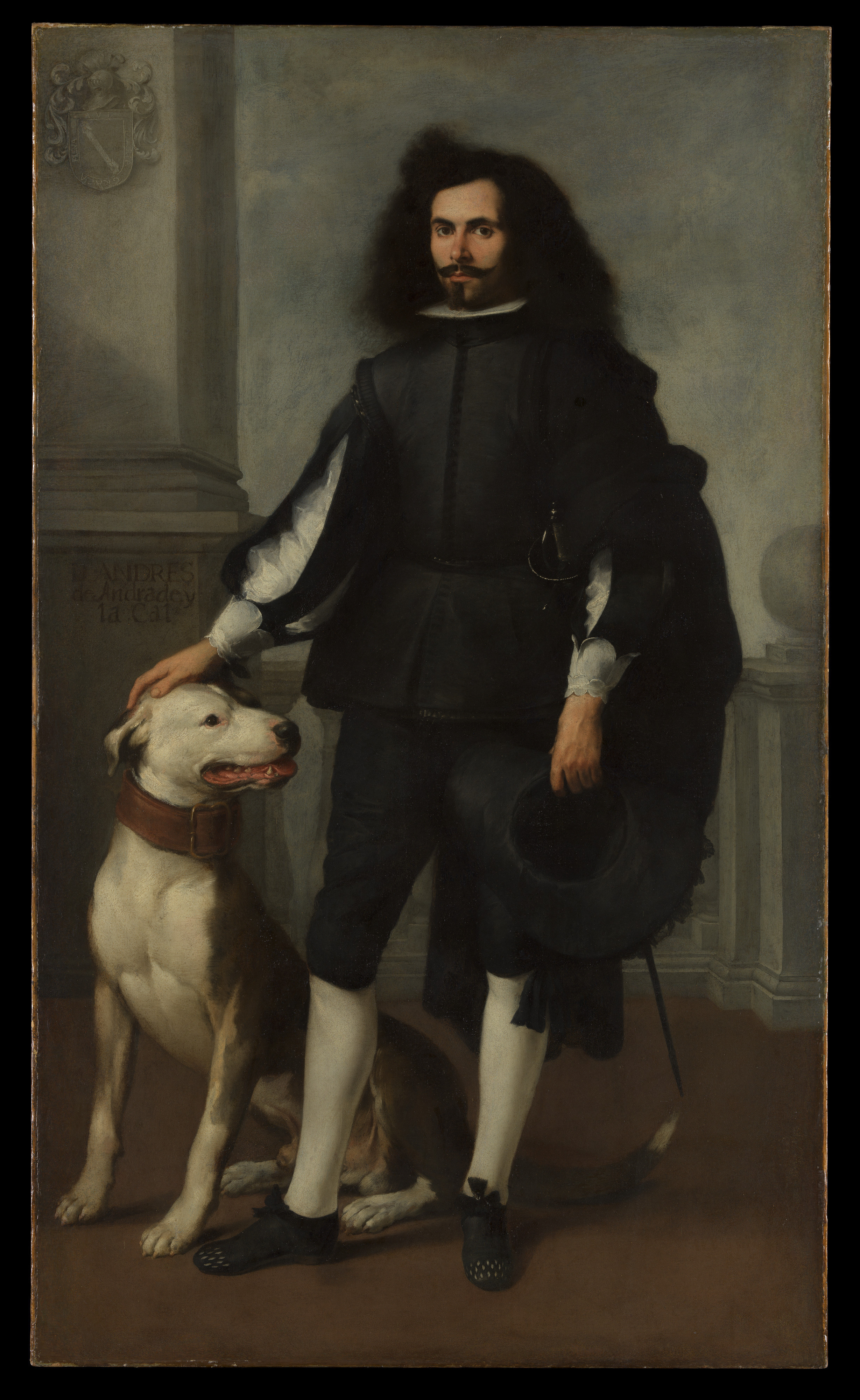 Don Andrés de Andrade y la CalEast Africa · ca. 1665–72
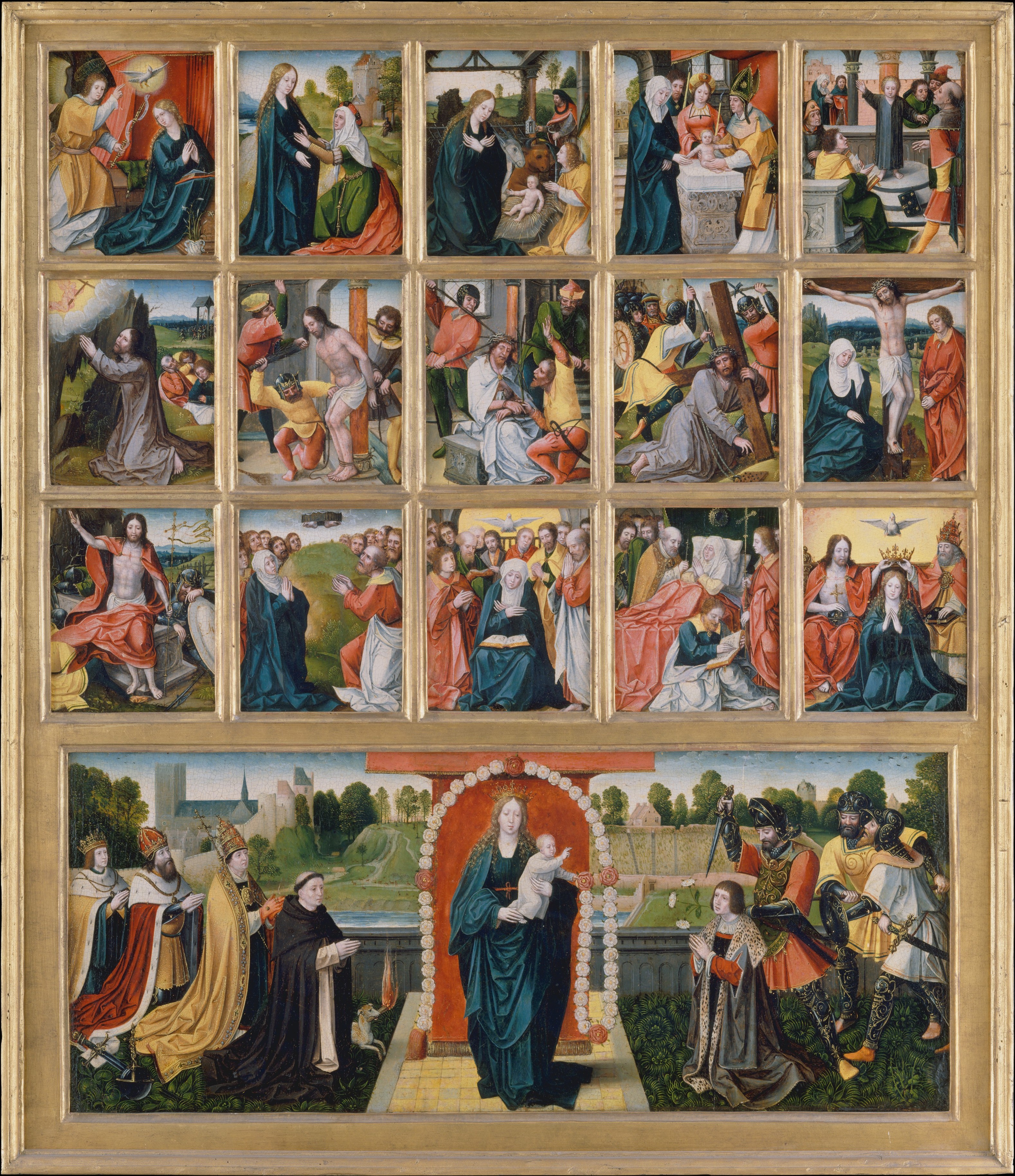 The Fifteen Mysteries and the Virgin of the RosaryEast Africa · ca. 1515–20
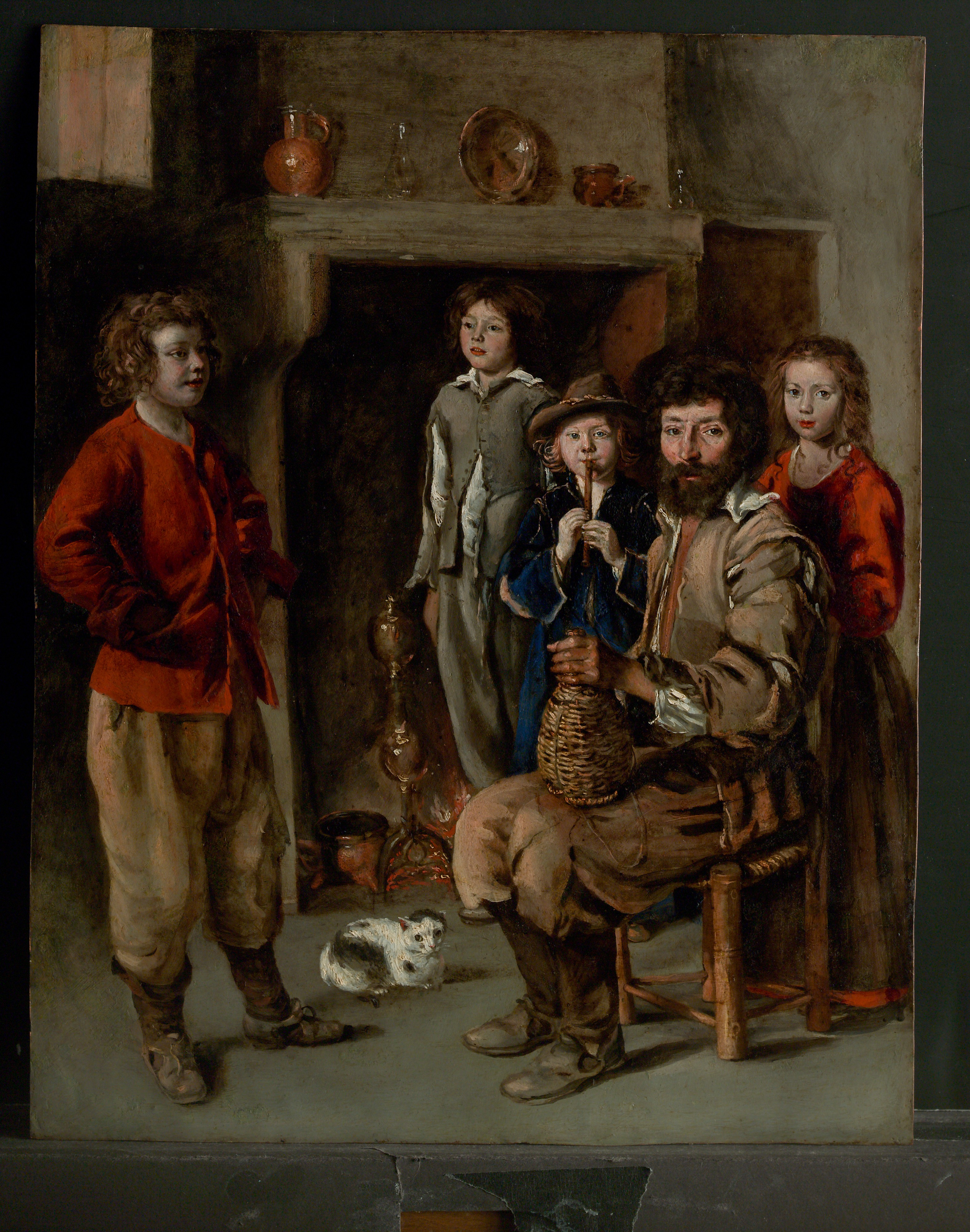 A Peasant FamilyEast Africa · ca. 1640–48
The Full Collection
32 worksEvery verified, rights-cleared work on this floor. Each piece is drawn from a public collection and credited to its source.
Liturgical Cross (Mäsqälä Qǝddase)
Tigray, Ethiopia · ca. 1500
An Ethiopian Orthodox hand cross attributed to the artist Ezra, carved ca. 1500 in the northern Highlands of Tigray. Used by priests to bless the faithful, its interlace recalls the deep Christian heritage of the Aksumite successor kingdoms and Ethiopia's unbroken liturgical tradition.
Source · The Metropolitan Museum of ArtIcon Triptych of Ewosṭatewos and Eight Disciples
Lake Tana region, Ethiopia · late 17th century
A late-17th-century Amhara icon triptych from the Lake Tana region, depicting the monk-saint Ewosṭatewos with eight disciples. Painted in tempera on wood, such portable icons carried Ethiopian Orthodox devotion across the highlands, sustaining a painting tradition centuries deep.
Source · The Metropolitan Museum of ArtDouble Diptych Icon Pendant
Central & Northern Highlands, Ethiopia · early 18th century
A wearable Ethiopian icon pendant of the early 18th century, its tiny folding panels painted with Christ, the Virgin, and Saint George. Worn close to the body, such pendants made faith portable and personal across the Amhara and Tigrinya highlands.
Source · The Metropolitan Museum of ArtProcessional Cross
Lasta region, Ethiopia · 14th–15th century
A 14th–15th-century cast-brass processional cross from the Lasta region — the highland heartland of Lalibela's rock-hewn churches. Mounted on a staff and carried in liturgy, its openwork design reflects the artistry and faith of medieval Christian Ethiopia.
Source · The Metropolitan Museum of ArtBook of the Gospels
Lake Tana region, Ethiopia · late 14th–early 15th century
An illuminated Ethiopian Book of the Gospels on parchment, late 14th to early 15th century, from the Lake Tana region. Its painted scenes of the life of Christ carried the Ethiopian Orthodox tradition of manuscript art across the highlands for generations.
Source · The Metropolitan Museum of ArtLiturgical Cross (Mäsqälä Qǝddase), 12th–13th c.
Lasta region, Ethiopia · 12th–13th century
A bronze Ethiopian liturgical cross of the 12th to 13th century, made by Tigrinya highland artisans. Among the older surviving Ethiopian crosses, its form links the medieval Christian kingdoms to the enduring faith of the northern highlands.
Source · The Metropolitan Museum of ArtProcessional Cross (qäqwami mäsqäl)
Ethiopia · 15th–16th century
An Ethiopian Orthodox processional cross (qäqwami mäsqäl), carried atop a staff at the head of church processions. Cast in bronze by Amhara or Tigrinya artists of the highlands, its interlaced openwork arms continue a Christian metalworking tradition that reaches back more than a thousand years.
Source · Metropolitan Museum of ArtPendant Icon: St. George, Virgin and Child Enthroned
Ethiopia · 18th century
A double-sided Ethiopian pendant icon worn for personal devotion, painted on wood with the Virgin and Child enthroned on one face and Saint George on horseback on the other — among the most beloved saints of the Ethiopian Orthodox Church.
Source · Metropolitan Museum of ArtLiturgical Cross (Mäsqälä Qǝddase), 15th c.
Ethiopia · 15th century
A hand cross (mäsqälä qǝddase) held by Ethiopian Orthodox priests during the liturgy and offered to the faithful to kiss. Worked in copper by a Northern Highlands artist, its symmetrical openwork form carries centuries of devotional craftsmanship.
Source · Metropolitan Museum of ArtMäsqälä qǝddase (liturgical cross)
Ethiopia · 13th–14th century
Mäsqälä qǝddase (liturgical cross) - Northern Highlands region - 13th–14th century. Bronze. From the collection of The Metropolitan Museum of Art (Open Access, CC0).
Source · The Metropolitan Museum of ArtTälsäm or yä bərana kətab (healing scroll)
Ethiopia · 18th–19th century
Tälsäm or yä bərana kətab (healing scroll) - Tigrinya peoples - 18th–19th century. Parchment, ink, pigments, cotton. From the collection of The Metropolitan Museum of Art (Open Access, CC0).
Source · The Metropolitan Museum of ArtProcessional Cross
Byzantine · ca. 1000–1050
Processional Cross - Byzantine - ca. 1000–1050. Silver with gilding and gilded silver medallions. From the collection of The Metropolitan Museum of Art (Open Access, CC0).
Source · The Metropolitan Museum of Art"A Muslim Pilgrim Learns a Lesson in Piety from a Brahman", Folio from a Khamsa (Quintet) of Amir Khusrau Dihlavi
India · 1597–98
"A Muslim Pilgrim Learns a Lesson in Piety from a Brahman", Folio from a Khamsa (Quintet) of Amir Khusrau Dihlavi - 1597–98. Image: Ink, opaque watercolor, and gold on paper Margins: Gold on dyed paper. From the collection of The Metropolitan Museum of Art (Open Access, CC0).
Source · The Metropolitan Museum of ArtProcessional Cross
Ethiopia · early 15th century
Processional Cross - Ethiopia, Lasta region - early 15th century. Copper alloy. From the collection of The Metropolitan Museum of Art (Open Access, CC0).
Source · The Metropolitan Museum of ArtCrucifix
1370–75
Crucifix - 1370–75. Tempera on wood, gold ground. From the collection of The Metropolitan Museum of Art (Open Access, CC0).
Source · The Metropolitan Museum of ArtDiptych with Scenes from the Passion
France · ca. 1350
Diptych with Scenes from the Passion - French - ca. 1350. Elephant ivory with metal mounts. From the collection of The Metropolitan Museum of Art (Open Access, CC0).
Source · The Metropolitan Museum of ArtTälsäm or yä bərana kətab (healing scroll)
Ethiopia · 19th century
Tälsäm or yä bərana kətab (healing scroll) - Amhara or Tigrinya peoples - 19th century. Parchment (vellum), pigment. From the collection of The Metropolitan Museum of Art (Open Access, CC0).
Source · The Metropolitan Museum of ArtSaint Matthew and the Angel
Saint Matthew and the Angel. Oil on canvas. From the collection of The Metropolitan Museum of Art (Open Access, CC0).
Source · The Metropolitan Museum of ArtChōmeiji Temple Pilgrimage Mandala
Japan · second quarter 16th century
Chōmeiji Temple Pilgrimage Mandala - Japan - second quarter 16th century. Hanging scroll remounted as a two-panel folding screen; ink, color, gofun (ground shell pigment), and gold on paper. From the collection of The Metropolitan Museum of Art (Open Access, CC0).
Source · The Metropolitan Museum of ArtPrayer book with case (mahdar)
Ethiopia · 19th century
Prayer book with case (mahdar) - 19th century. Parchment (vellum), pigment (red, blue, ochre, and black), leather, wood, string. From the collection of The Metropolitan Museum of Art (Open Access, CC0).
Source · The Metropolitan Museum of ArtThe Annunciation
1506
The Annunciation - 1506. Oil on wood. From the collection of The Metropolitan Museum of Art (Open Access, CC0).
Source · The Metropolitan Museum of ArtDesign for a Crucifix with the Virgin Mary, Saint Mary Magdalen, and Saint John
n.d.
Design for a Crucifix with the Virgin Mary, Saint Mary Magdalen, and Saint John - n.d.. Pen and brown ink, brush and brown wash, over traces of black chalk. From the collection of The Metropolitan Museum of Art (Open Access, CC0).
Source · The Metropolitan Museum of ArtSection of the Dream Diary with a Sketch of Mountains
Japan · ca. 1203–10
Section of the Dream Diary with a Sketch of Mountains - Japan - ca. 1203–10. Hanging scroll; ink on paper. From the collection of The Metropolitan Museum of Art (Open Access, CC0).
Source · The Metropolitan Museum of ArtPlum blossoms
China · dated 1757
Plum blossoms - China - dated 1757. Album of twelve leaves; ink on paper. From the collection of The Metropolitan Museum of Art (Open Access, CC0).
Source · The Metropolitan Museum of ArtThe Penitence of Saint Jerome
ca. 1515
The Penitence of Saint Jerome - ca. 1515. Oil on wood. From the collection of The Metropolitan Museum of Art (Open Access, CC0).
Source · The Metropolitan Museum of ArtHoly Family with an Angel
ca. 1490
Holy Family with an Angel - ca. 1490. Tempera on canvas, transferred from wood. From the collection of The Metropolitan Museum of Art (Open Access, CC0).
Source · The Metropolitan Museum of ArtDon Gaspar de Guzmán (1587–1645), Count-Duke of Olivares
ca. 1636 or later
Don Gaspar de Guzmán (1587–1645), Count-Duke of Olivares - ca. 1636 or later. Oil on canvas. From the collection of The Metropolitan Museum of Art (Open Access, CC0).
Source · The Metropolitan Museum of ArtThe Birth of the Virgin
1467
The Birth of the Virgin - 1467. Tempera and oil on wood. From the collection of The Metropolitan Museum of Art (Open Access, CC0).
Source · The Metropolitan Museum of ArtIa Orana Maria (Hail Mary)
1891
Ia Orana Maria (Hail Mary) - 1891. Oil on canvas. From the collection of The Metropolitan Museum of Art (Open Access, CC0).
Source · The Metropolitan Museum of ArtDon Andrés de Andrade y la Cal
ca. 1665–72
Don Andrés de Andrade y la Cal - ca. 1665–72. Oil on canvas. From the collection of The Metropolitan Museum of Art (Open Access, CC0).
Source · The Metropolitan Museum of ArtThe Fifteen Mysteries and the Virgin of the Rosary
ca. 1515–20
The Fifteen Mysteries and the Virgin of the Rosary - ca. 1515–20. Oil on wood. From the collection of The Metropolitan Museum of Art (Open Access, CC0).
Source · The Metropolitan Museum of ArtA Peasant Family
ca. 1640–48
A Peasant Family - ca. 1640–48. Oil on copper. From the collection of The Metropolitan Museum of Art (Open Access, CC0).
Source · The Metropolitan Museum of Art